




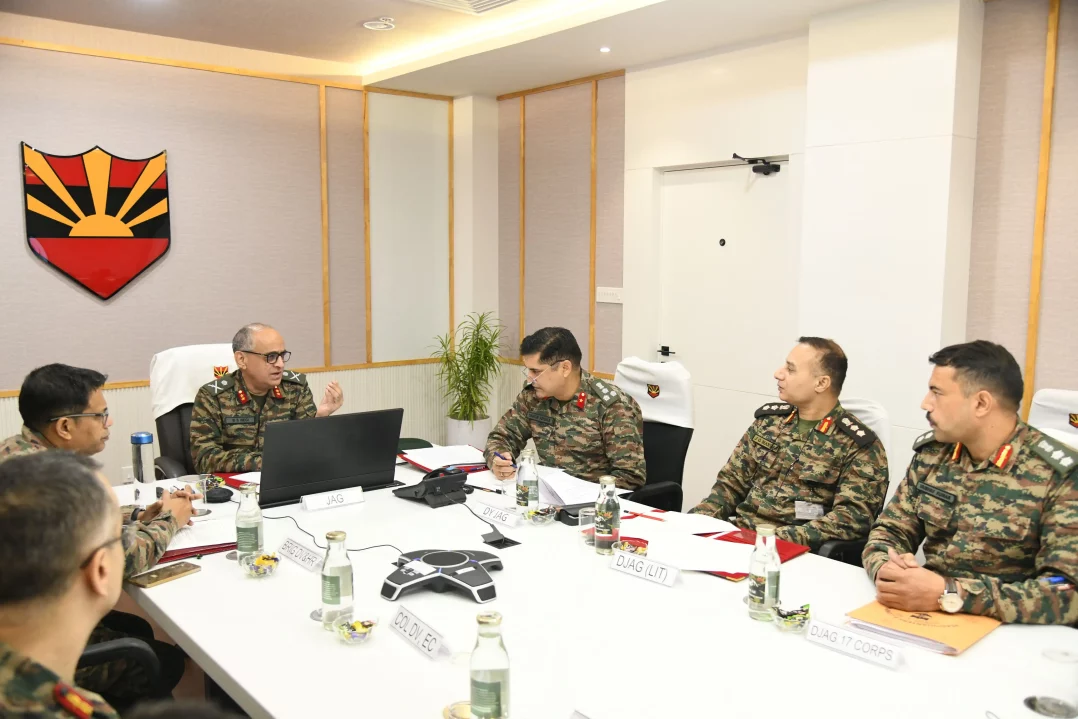
Kolkata recently hosted the JAG Departmental Colloquium 2026, orchestrated by the Judge Advocate General (JAG) Branch of the Indian Army, under the auspices of the Eastern Command. This two-day event brought together senior legal officers from various formations within the command to engage in critical discussions regarding the evolving landscape of military law and the myriad of legal challenges faced by contemporary armed forces.
The colloquium served as a robust platform for Deputy Judge Advocate Generals (DJAGs) to share insights and experiences while deliberating on significant legal developments impacting military operations and administration. Centered around the theme “Evolution of Military Law and Legal Challenges Ahead,” the participants explored a diverse range of subjects, including military justice, human rights, cybercrime, artificial intelligence (AI), digital evidence, and other emerging legal issues reshaping the military domain.
As modern armed forces increasingly incorporate advanced technologies into their operational frameworks, the necessity for military legal experts has intensified. The discussions emphasized how innovations such as AI and digital forensic tools are transforming investigations, evidence collection, and overall legal procedures, while also addressing the ethical and legal implications that accompany their implementation.
Cybercrime and digital security were pivotal topics during the colloquium, underscoring the urgent need for military preparedness against cyber threats that target military networks and critical infrastructure. The dialogue illuminated the importance of continually updating legal policies and procedures to maintain effectiveness in an ever-evolving, technology-driven security landscape.
Distinguished attendees included Lieutenant General Gambhir Singh, Chief of Staff, Headquarters Eastern Command, and Major General Balendu Singh Negi, Judge Advocate General of the Indian Army. Both senior officers articulated the necessity for a dynamic and resilient military justice system capable of effectively responding to the changing nature of warfare alongside the legal complexities arising from technological advancements and evolving security challenges. Their addresses stressed the importance of continuous professional development for military legal officers and highlighted the JAG Branch’s pivotal role in upholding discipline, ensuring rule of law, and providing seasoned legal guidance to commanders at all levels.
The successful execution of the JAG Departmental Colloquium 2026 underscores the Indian Army’s unwavering commitment to fortifying its military justice framework through ongoing legal education, collaborative discussions, and proactive engagement with emerging legal challenges. By stimulating discourse on contemporary issues, the event reaffirmed the significance of maintaining a modern and adaptable legal system that not only supports operational effectiveness but also upholds the highest standards of justice and accountability.


