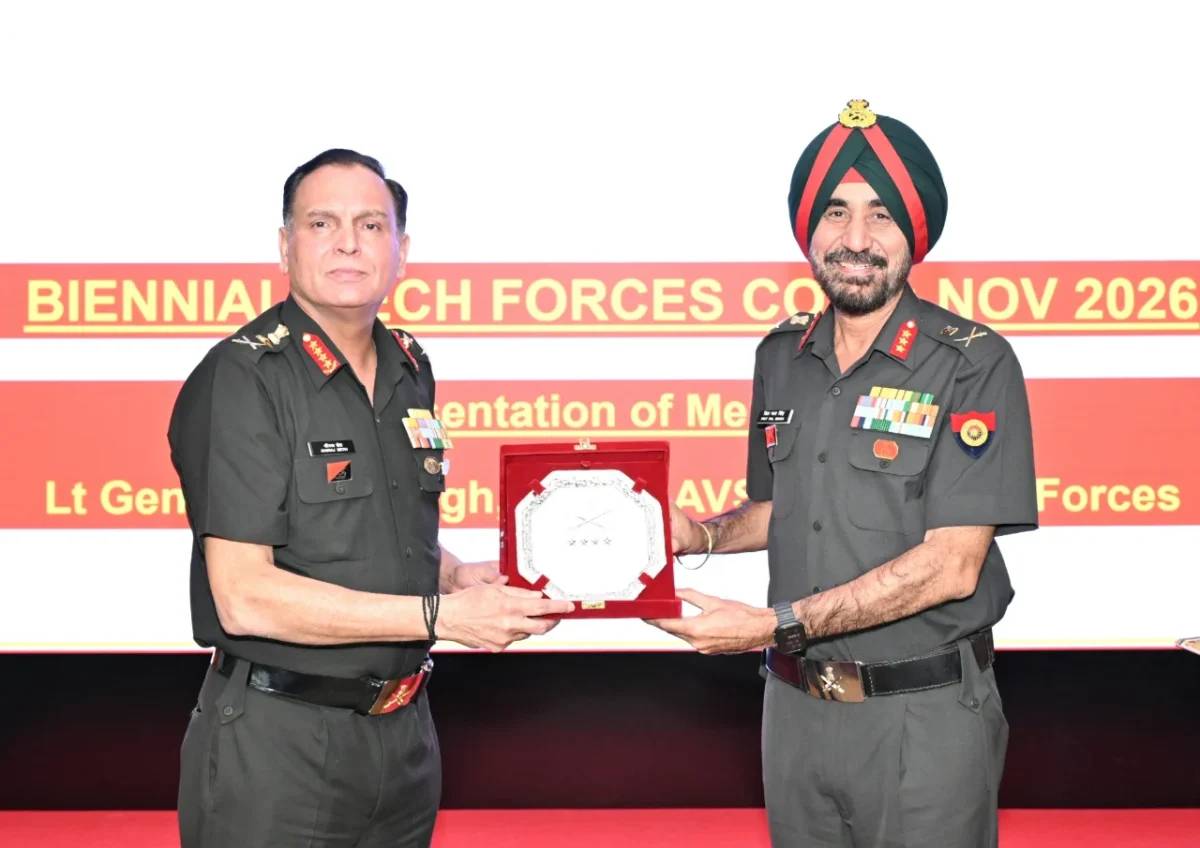
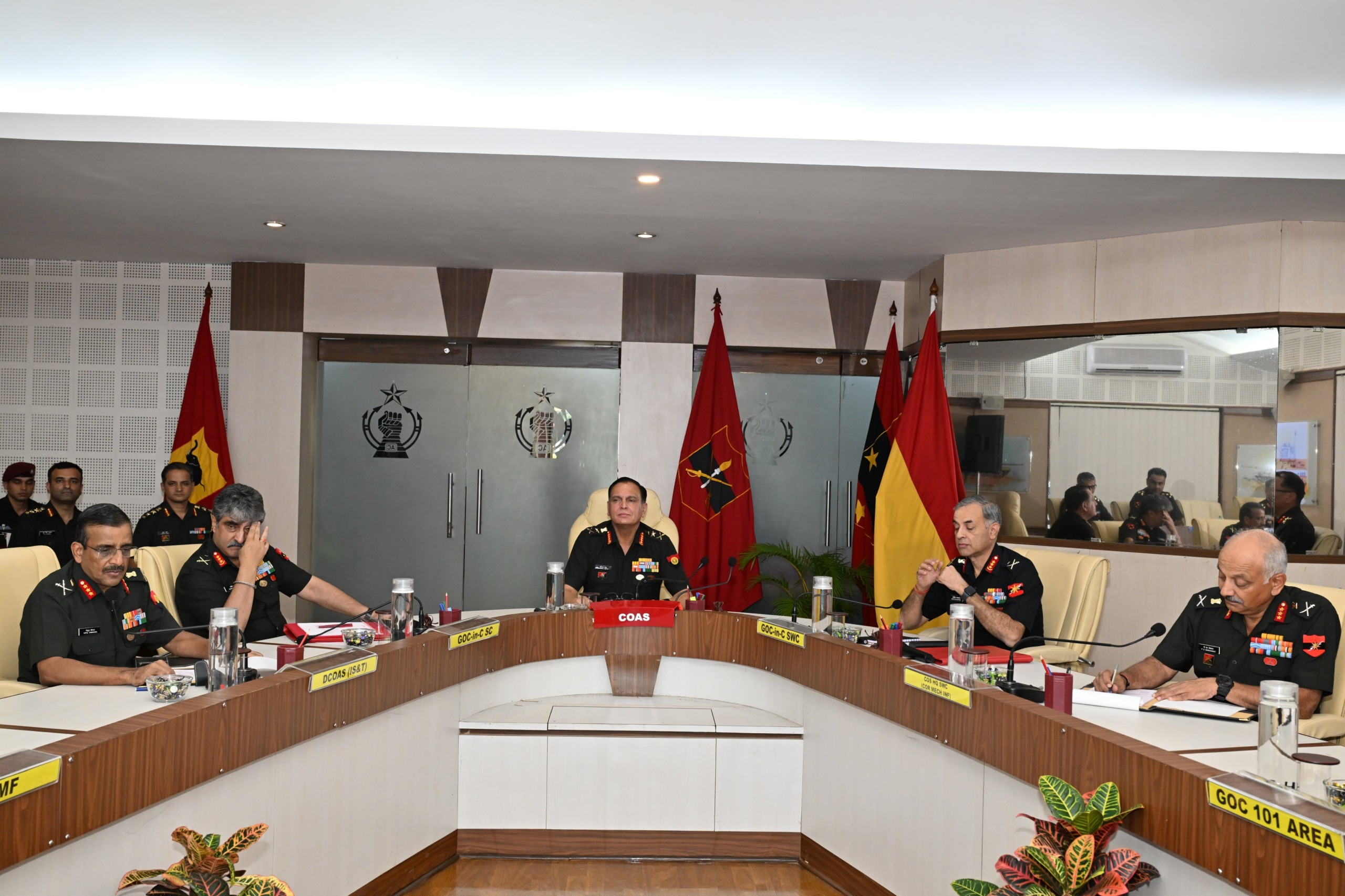
General Dhiraj Seth, Chief of the Army Staff (COAS), attended the Biennial Mechanised Forces Conference 2026 at the Armoured Corps Centre and School in Ahilyanagar, Maharashtra on November 2, 2026. The gathering brought senior military leadership together to review how the Indian Army’s mechanised forces can be reshaped for future operational demands.
Conference Deliberations
According to the report, the discussions covered transformation, modernisation and the future operational capabilities of mechanised formations. Planners examined evolving operational requirements, future force employment, human resource optimisation and the use of emerging technologies to improve combat effectiveness.
The conversation also reflected the Army’s continuing push to develop mechanised forces that are more agile, technologically advanced and prepared for complex battlefield environments. The source says the emphasis was on aligning capability development with the changing nature of warfare.
Mechanised forces refer here to armoured and mechanised infantry elements, which are described in the report as central to the Army’s conventional combat strength. Their value lies in combining mobility, firepower, protection and rapid manoeuvre for offensive operations, battlefield exploitation and operational superiority.
Technology, Doctrine and Force Employment
Participants reviewed how modern warfare is changing and what that means for the employment of mechanised formations. The discussions included emerging battlefield technologies, evolving operational doctrines and the need for integrated combat capabilities.
A key theme was the integration of advanced technologies to improve battlefield awareness, operational coordination and combat effectiveness. The report specifically mentions surveillance systems, unmanned platforms, secure communications and digital command-and-control capabilities as part of that effort.
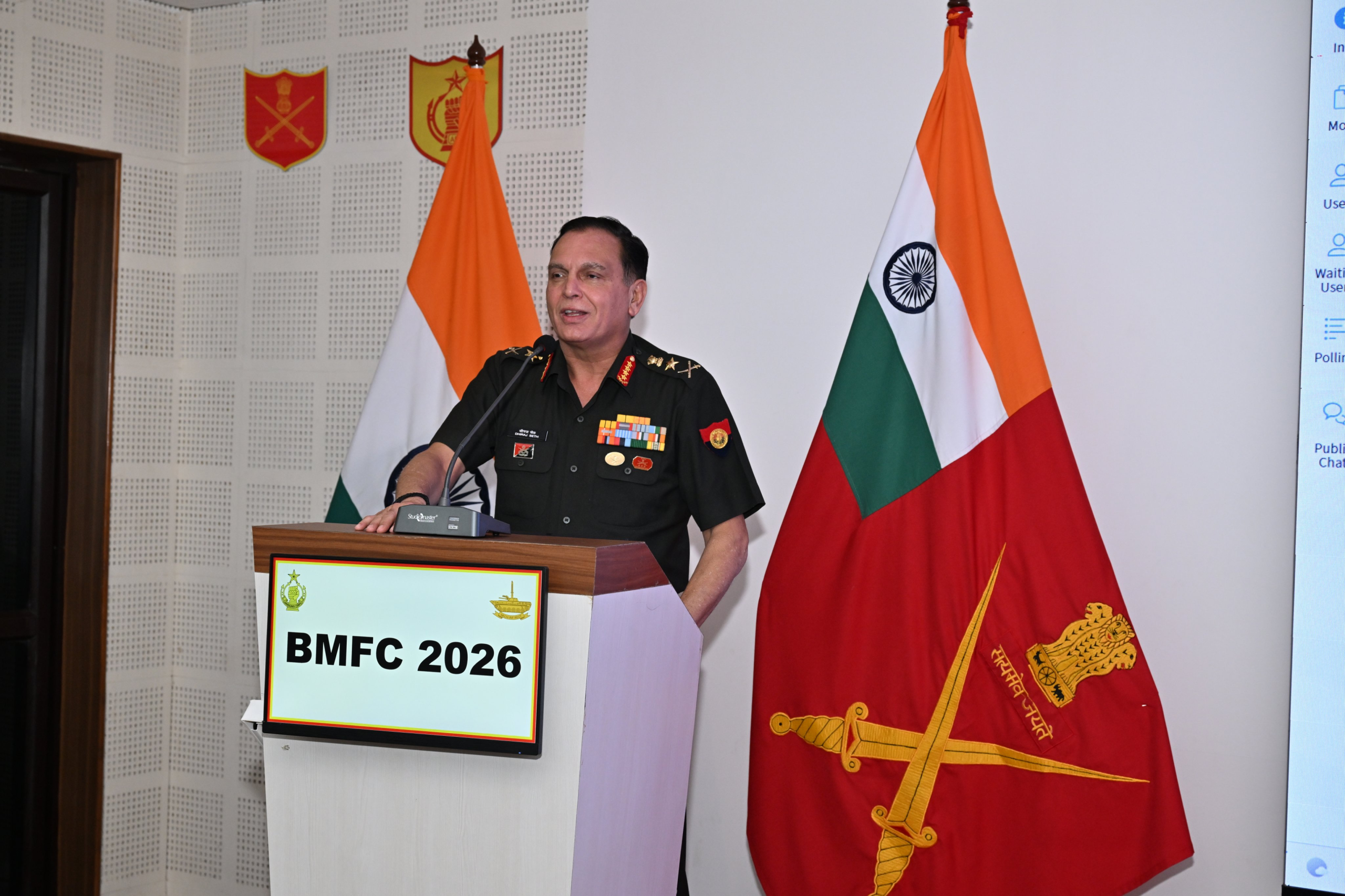
Human resource optimisation was also discussed, with attention on ensuring that mechanised formations have the skills, training and organisational structure required to operate sophisticated equipment and respond to new challenges.
Venue and Strategic Context
Future force employment formed another major part of the conference, with a focus on making mechanised units more flexible, responsive and effective across different operational scenarios.
The conference was aligned with the Indian Army’s vision of “JAI Se VIJAY,” which the source links to jointness, self-reliance and innovation in the force’s ongoing transformation. The same vision, as described in the report, also stresses the need to merge modern technology with operational expertise while strengthening indigenous capabilities and coordination across military domains.
The Armoured Corps Centre and School in Ahilyanagar is presented in the report as a premier training institution for the Indian Army’s Armoured Corps. Holding the conference there provided, according to the source, an important setting for discussing the future direction of India’s mechanised combat capabilities.
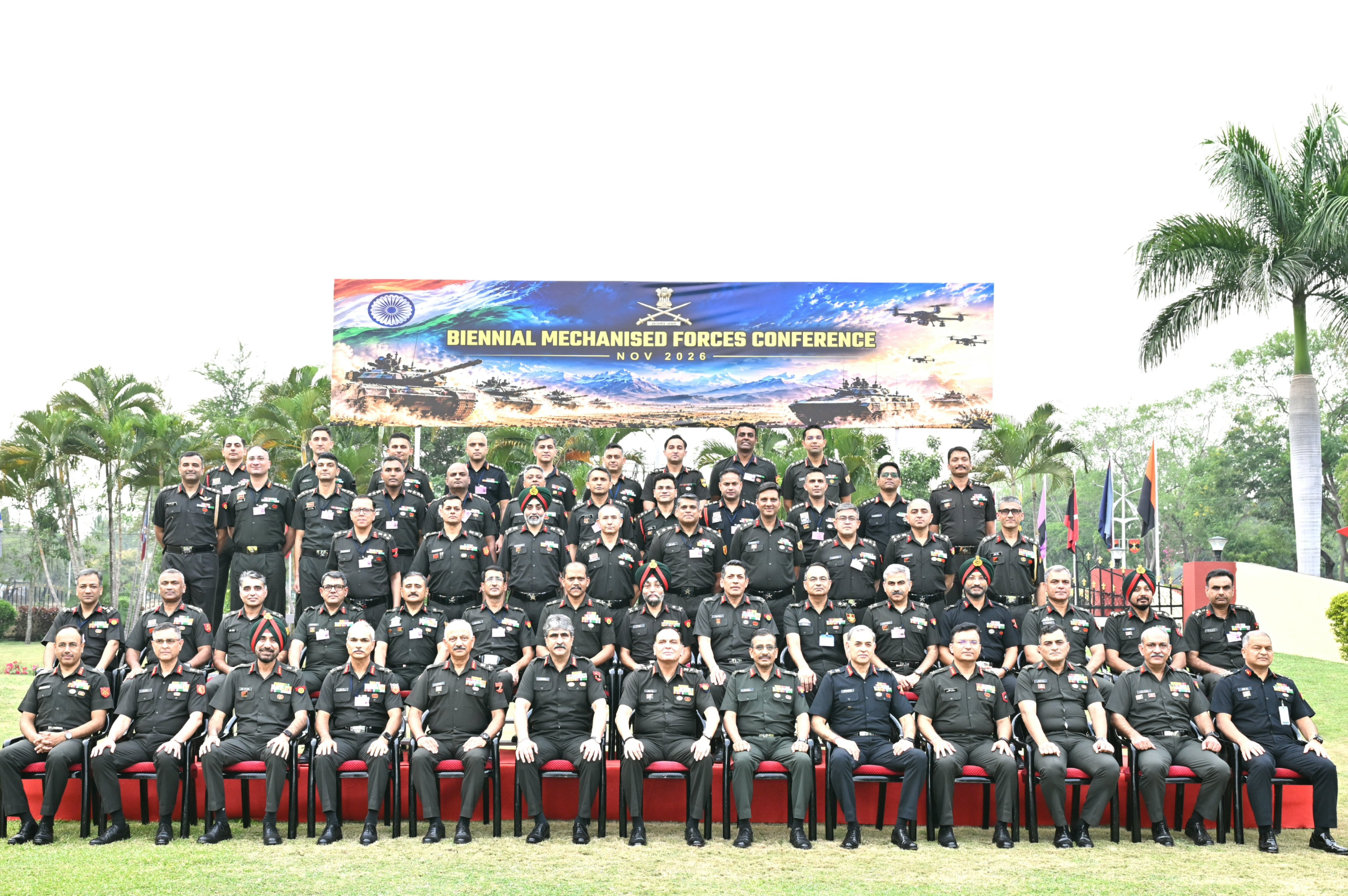
The report concludes that the discussions underscored the need to adapt military doctrines and training methods to changing battlefield realities, where speed, precision, technological integration and coordinated operations are critical to success. The conference, it adds, reaffirmed the Army’s commitment to building agile, technology-enabled and operationally effective mechanised formations.
General Dhiraj Seth’s participation highlighted the importance being placed on strengthening the combat capabilities of mechanised forces and keeping them prepared for future operational challenges.