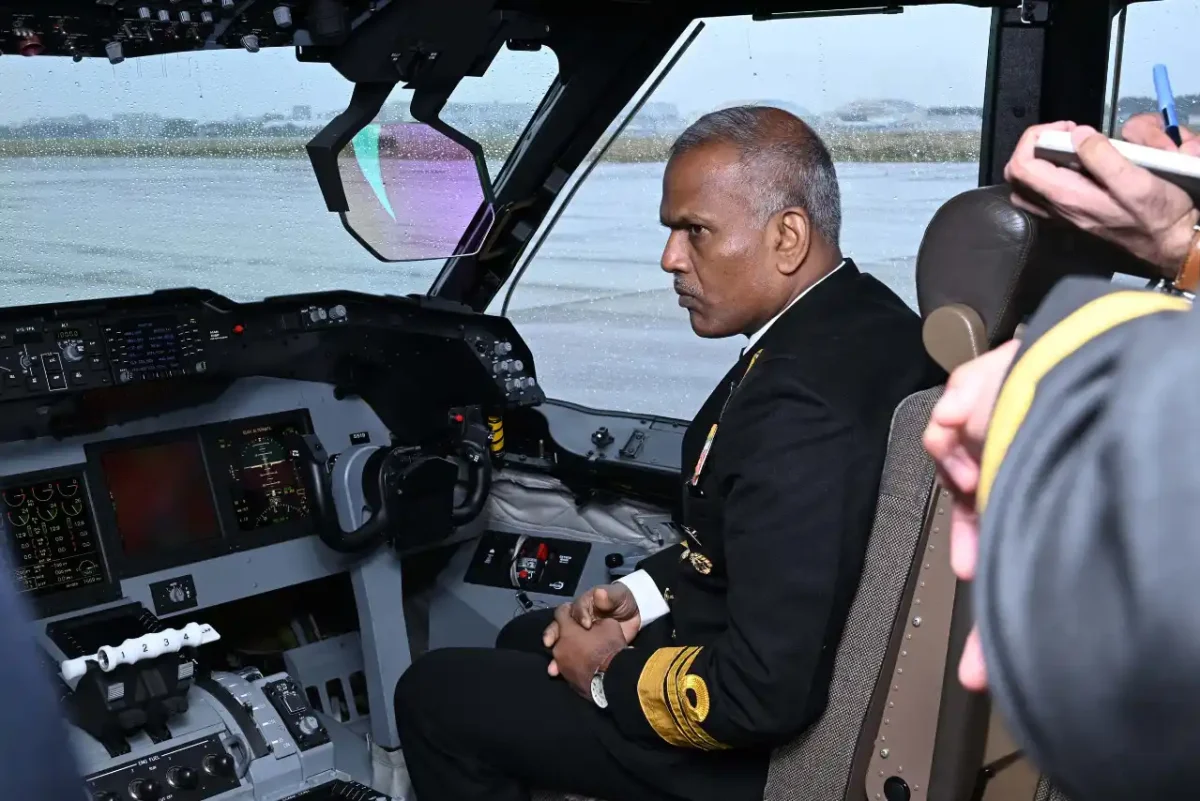
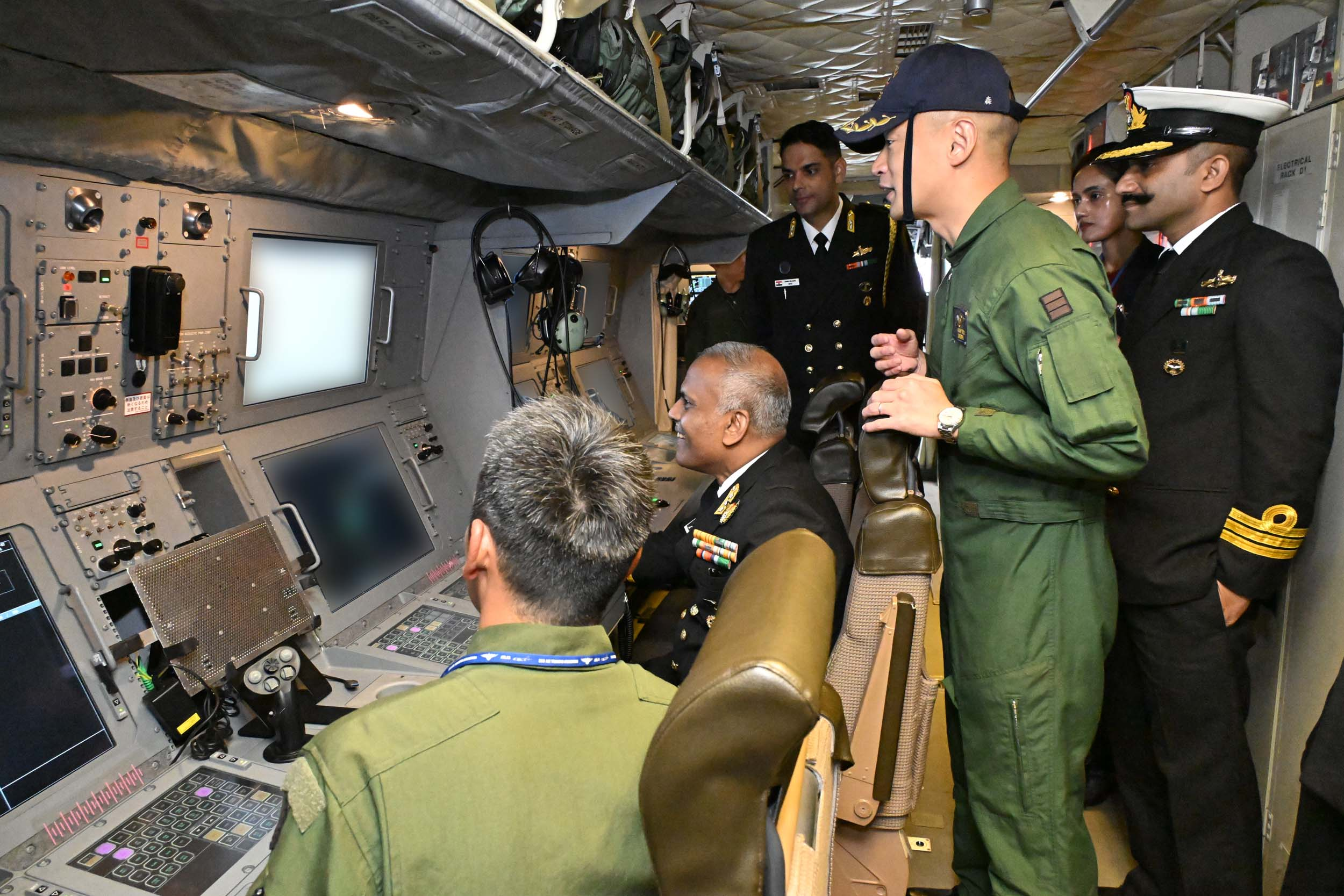
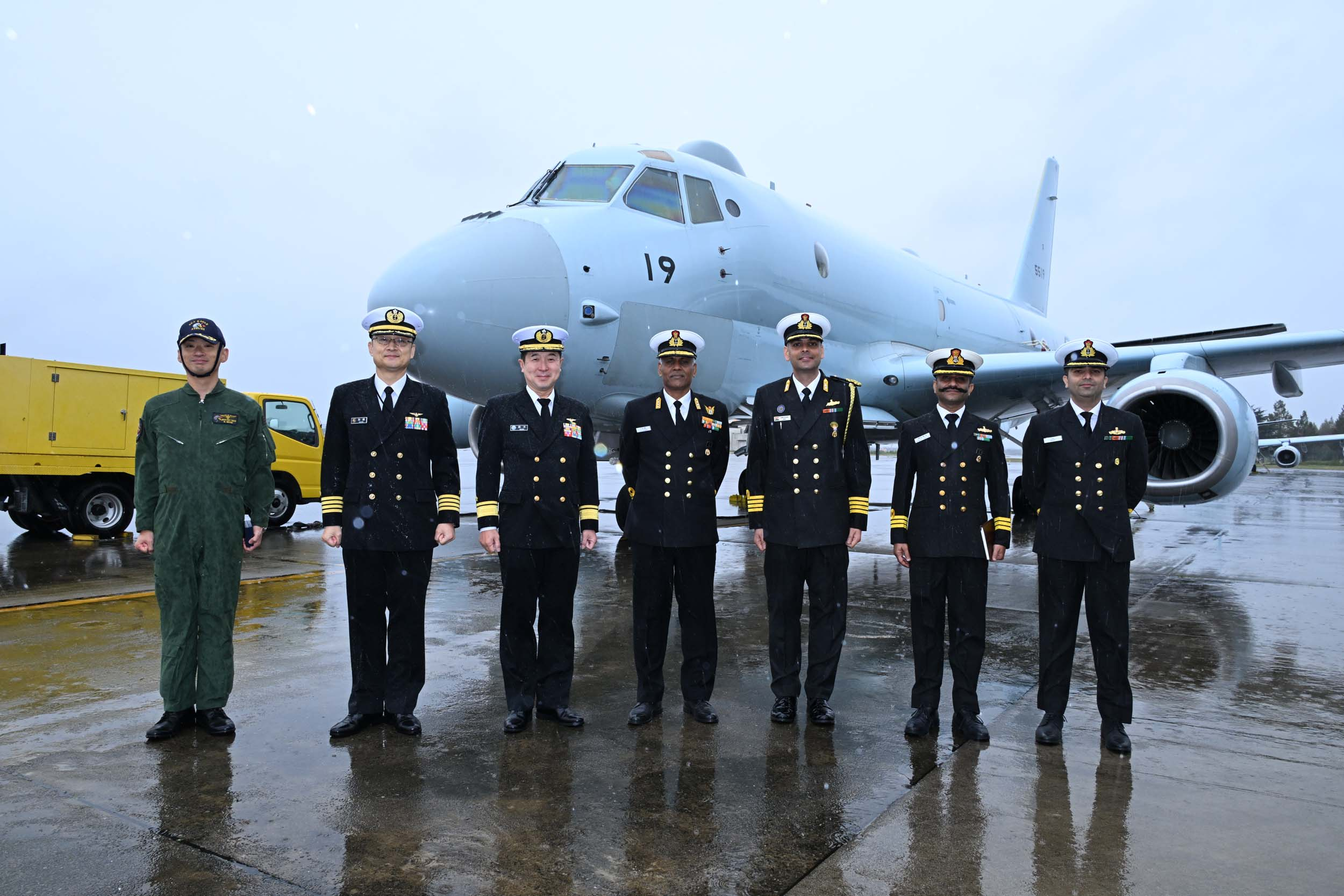
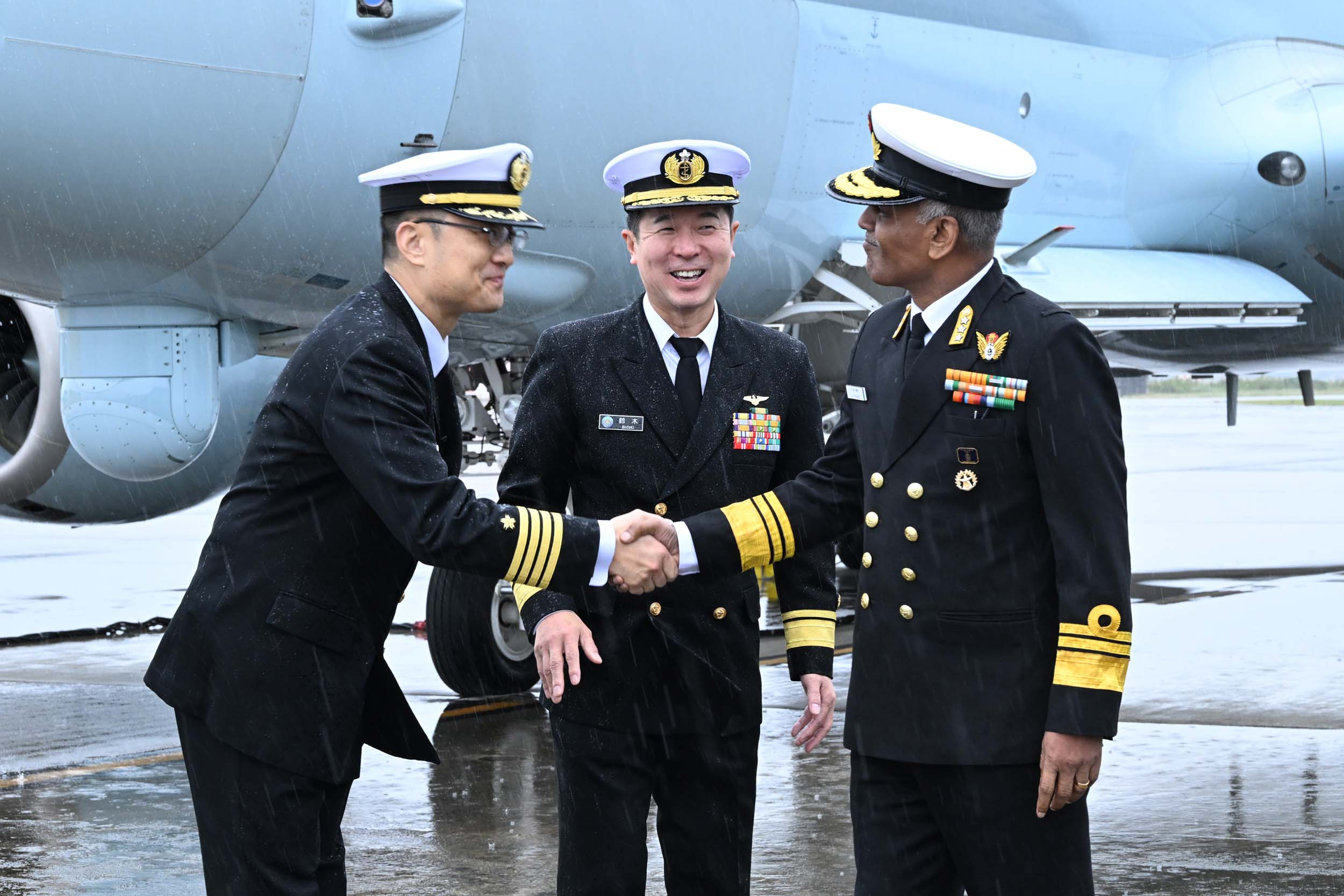
Vice Admiral AN Pramod, Deputy Chief of Naval Staff of the Indian Navy, visited Naval Air Facility Atsugi in Japan as Exercise MALABAR 2026 moved through its opening stages. The multilateral maritime drill brings together India, Japan, the United States and Australia, with the stated focus on maritime cooperation, interoperability and regional stability in the Indo-Pacific.
Opening phase of MALABAR 2026
The exercise began at Yokosuka, Japan, on November 5 with an opening ceremony hosted by the Japan Maritime Self-Defense Force (JMSDF). Vice Admiral AN Pramod attended the event along with senior naval commanders from Japan, Australia and the United States.
According to the report, the early engagements included discussions among senior naval leaders on maritime security challenges in the Indo-Pacific and on the future development of the MALABAR exercise. These interactions were intended to deepen mutual understanding and support coordinated planning among the participating forces.
Senior naval leadership present
Among the senior participants were Vice Admiral Omachi Katsushi, Commander of Japan’s Self Defense Fleet; Rear Admiral Anita Williams, Commander Australian Fleet; and Vice Admiral Patrick J. Hannifin, Commander of the US Seventh Fleet. Their presence marked the leadership-level nature of the exercise opening.
India’s representation in the drill is INS Sahyadri, an indigenously built guided-missile stealth frigate of the Eastern Fleet. The ship arrived at Yokosuka Naval Base on November 4 and received a ceremonial welcome from the Japan Maritime Self-Defense Force.
What the exercise is set to do
The report says MALABAR 2026 includes professional exchanges, coordinated operational planning and maritime training to improve the four navies’ ability to operate together in complex security environments. The harbour phase is centered on interactions among participating personnel, while the sea phase will involve coordinated operations by warships and other maritime assets from the four nations.
The visit to Naval Air Facility Atsugi also draws attention to the role of naval aviation infrastructure in supporting joint exercises and strengthening professional engagement among partner forces.
Background to the MALABAR series
The MALABAR series began in 1992 as a bilateral naval engagement between India and the United States. It later expanded into a multilateral exercise after Japan and Australia joined the framework.
Today, the exercise is described as a platform for the four Indo-Pacific partners to enhance operational interoperability, exchange maritime expertise and strengthen mutual confidence. One of its key objectives is to support a Free and Open Indo-Pacific, with maritime activity conducted in accordance with international law and in support of regional peace, stability and a rules-based maritime order.
For India, participation in MALABAR 2026 reinforces cooperation with like-minded maritime partners on shared security challenges and the protection of vital sea lanes. The exercise also aligns with India’s MAHASAGAR vision, which stands for Mutual and Holistic Advancement for Security and Growth Across Regions.
Vice Admiral AN Pramod’s visit to Japan and participation in the senior-level engagements underline the Indian Navy’s continued effort to deepen defence partnerships and support coordinated maritime security initiatives. Through MALABAR 2026, India, Japan, the United States and Australia are reaffirming their shared commitment to a secure, stable and open Indo-Pacific region.