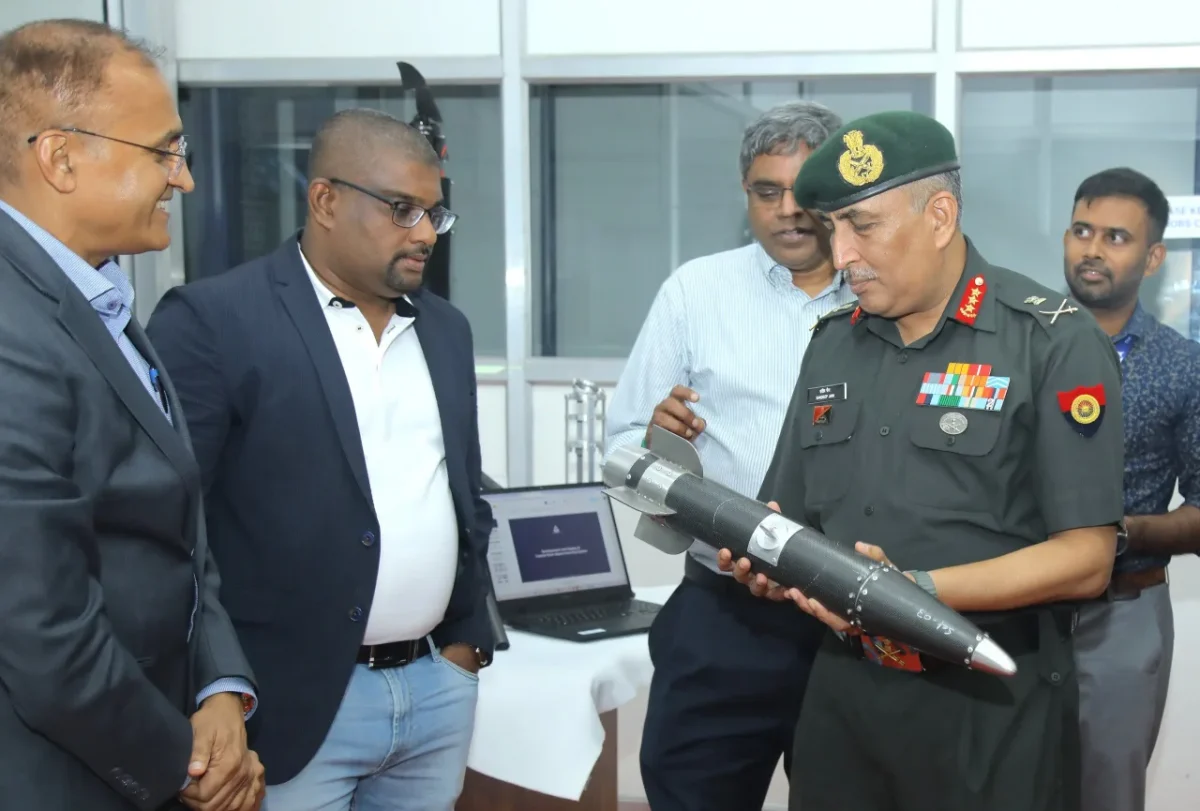
India’s push to develop defence technology at home was central to Lieutenant General Sandeep Jain’s Chennai visit, where the Vice Chief of the Army Staff (VCOAS) met innovators, academic institutions and defence industry representatives.
Focus on indigenous military technologies
Lieutenant General Jain reviewed work on space technologies, autonomous systems, drones and next-generation logistics. The visit examined how these capabilities could support the Indian Army’s operational needs, including battlefield effectiveness and efficiency.
His discussions with Indian researchers, startups and industry stakeholders covered emerging technology solutions and the role of domestic innovation in responding to changing demands of modern warfare.
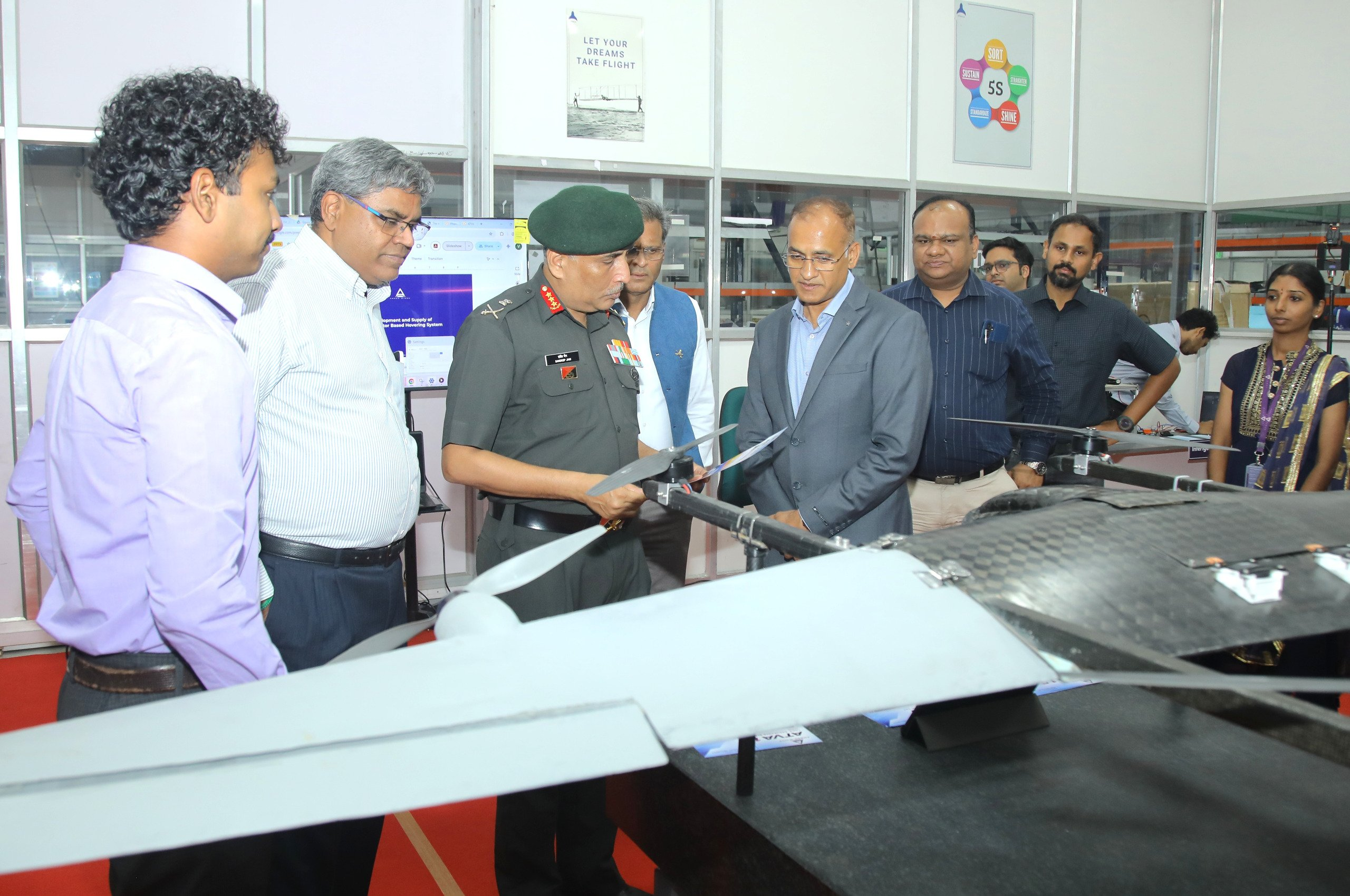
Unmanned and autonomous systems were among the areas highlighted. Developments in drones, aerospace applications and intelligent logistics could support surveillance, reconnaissance, battlefield mobility and logistical support, according to the source.
Self-reliance and collaboration
Lieutenant General Jain emphasised Atmanirbhar Bharat in the defence sector, including the need to build indigenous technological capabilities and reduce dependence on foreign military systems. He also underscored technology absorption, continued innovation and closer cooperation between the armed forces, industry and academic institutions.
The visit highlighted the value of bringing defence manufacturers, technology startups, research institutions and the armed forces together to develop practical responses to emerging security challenges.
As military operations increasingly incorporate artificial intelligence, autonomous platforms, space-based capabilities and advanced unmanned technologies, indigenous research and development is expected to contribute to India’s military preparedness. The Indian Army continues to focus on modernisation and the integration of homegrown defence solutions into its operational framework.
Lieutenant General Sandeep Jain’s visit reflected the Army’s commitment to encouraging domestic innovation, strengthening industry–academia partnerships and advancing a self-reliant, technologically capable and future-ready military force.