




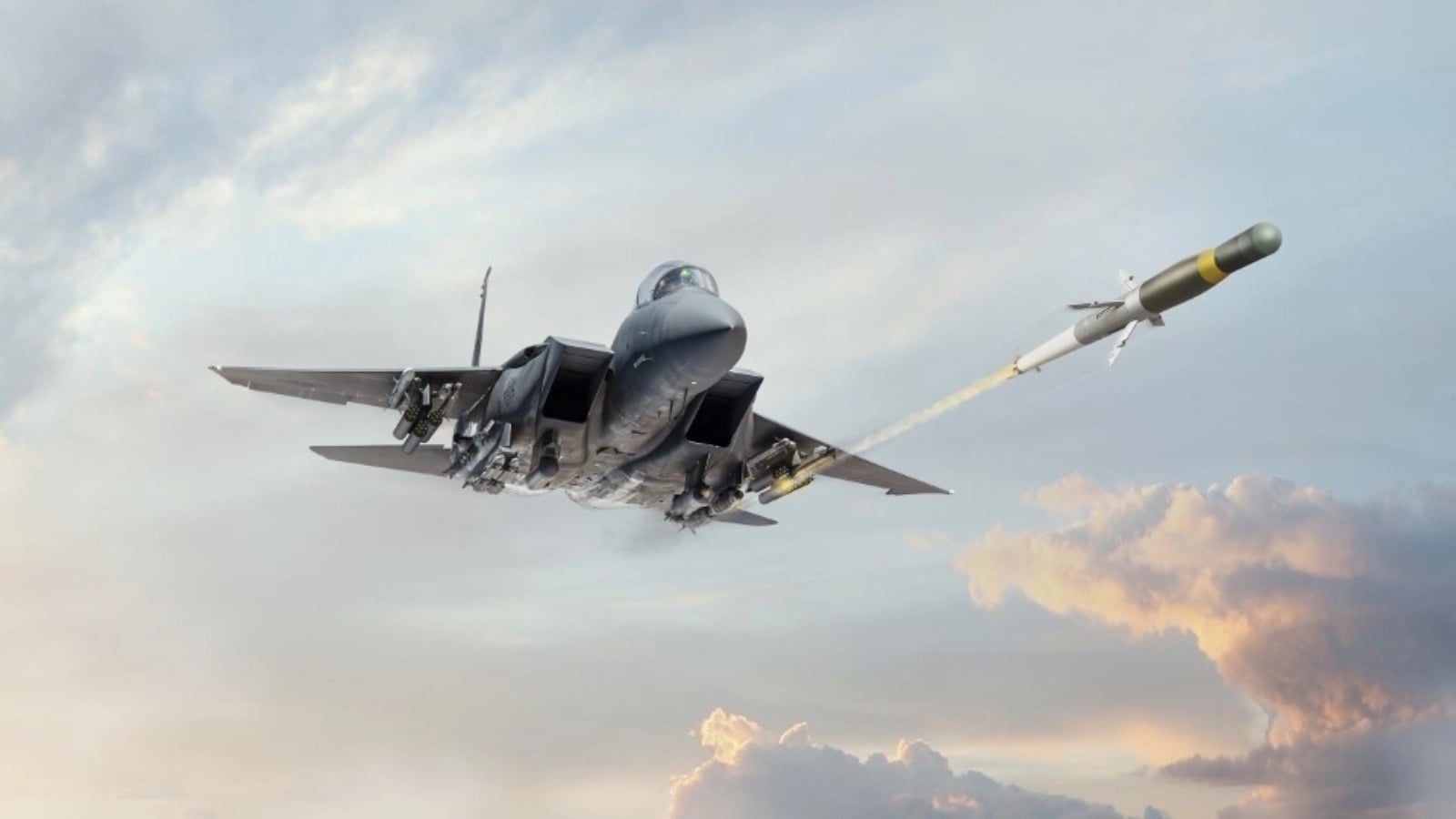
Rockets have long served as an efficient means for military forces to deliver rapid firepower, yet traditional unguided versions often compromise on precision in favor of volume. This limitation poses significant challenges, especially in complex environments where accuracy is paramount. The Advanced Precision Kill Weapon System (APKWS) addresses this need by converting standard rockets into precision-guided munitions.
APKWS is essentially a laser-guided rocket upgrade kit that transforms the widely utilized Hydra 70 rocket into a more sophisticated precision-guided weapon. Instead of requiring entirely new rocket systems, this innovative approach inserts a guidance section between the rocket’s warhead and motor, enabling the projectile to home in on laser-designated targets. This design preserves the affordability and extensive availability of traditional rockets while enhancing their accuracy, making them suitable for air-to-ground missions. With APKWS, aircraft and helicopters can engage small and moving targets more precisely, significantly minimizing collateral damage.
The development of APKWS emerged from a rising demand for low-cost precision-strike capabilities in contemporary conflicts. The system was designed by BAE Systems for the US Navy and the US Marine Corps, later gaining traction within other branches of the US military and among international partners. Prior guided rocket initiatives often proved prohibitively expensive or overly complex, but APKWS took a modular approach, allowing for the upgrading of existing Hydra 70 rockets instead of requiring a complete overhaul. This not only slashed development and procurement costs but also ensured compatibility with many existing launch platforms. Since its operational deployment began in the early 2010s, APKWS has become an essential option in precision rocketry, utilized by countries, including Sweden and the Czech Republic.
The operational mechanics of APKWS allow it to transform a conventional unguided rocket into a precision munition through a compact guidance kit. At the heart of this system lies a semi-active laser guidance mechanism that necessitates illuminating a target with a laser designator. As the rocket launches, its sensors detect the reflected laser energy and make real-time adjustments to its flight path, steering it accurately toward the targeted point. A notable distinction of APKWS is its integration of sensors along the rocket’s folding fins rather than just in the nose, allowing for compatibility with existing launcher systems while still receiving precise targeting data.
The benefits of utilizing APKWS are multifold. The use of laser guidance enables strikes on small targets with high accuracy, greatly mitigating unintended implications in populated or complex environments. Compared to larger precision-guided munitions, APKWS provides a significantly economical alternative while still delivering precise firepower. Its versatility allows it to be deployed from multiple aircraft types, including helicopters, fixed-wing planes, and certain unmanned aerial vehicles. Furthermore, the system allows militaries to leverage existing stockpiles of Hydra rockets, avoiding the need for extensive modifications to launch systems.
However, APKWS is not without limitations. It relies on a laser designator to illuminate the target, which can hinder its effectiveness under poor visibility conditions or if the laser signal is disrupted. Additionally, the shorter range of APKWS rockets compared to larger guided missiles makes them more apt for close to medium-range engagements, and the laser guidance requires a direct line of sight between the designator and the target.
Despite these challenges, APKWS has seen wide application among US forces and various allied militaries. Aircraft employing this system include the AH-64 Apache, AH-1Z Viper, and AV-8B Harrier II, with further integration on modern platforms such as the F-16 Fighting Falcon. In operational contexts, APKWS has been successfully used to engage vehicles, fortified positions, and other tactical targets with precision.
As the landscape of modern warfare increasingly demands precision and cost-efficiency, systems like APKWS are set to play an increasingly vital role in air-to-ground strike missions. Future developments may expand its capabilities, solidifying its importance on the contemporary battlefield.


