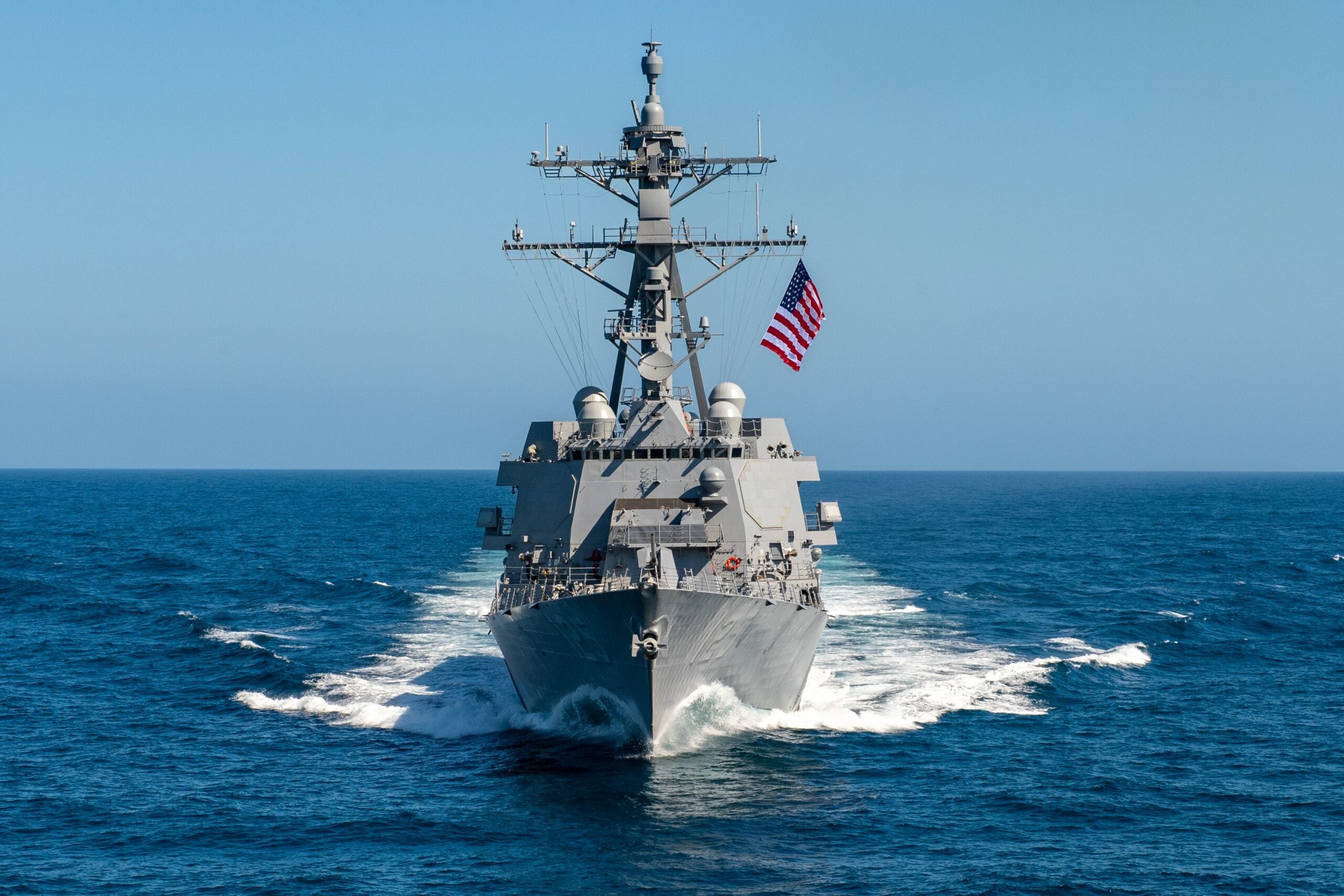
In the contemporary maritime domain, characterized by rapid advancements in technology and increasing threats, the Arleigh Burke-class destroyer stands out as the backbone of the U.S. Navy’s surface fleet. This multi-mission powerhouse serves various roles, from escorting larger vessels and acting as a missile defense system to functioning as a strike platform and deterrent force.
Originally commissioned in 1991, the Arleigh Burke-class guided-missile destroyers are an evolution of naval warfare. Named after Admiral Arleigh Burke, these ships embody the latest in naval technology and strategic capability, particularly through the integration of the Aegis Weapon System. This advanced system allows for the detection, tracking, and engagement of multiple threats across air, surface, and missile domains, using powerful radar and sensor systems.
In terms of specifications, the Arleigh Burke-class destroyers are impressive: they displace around 9,000 tons, can reach speeds exceeding 30 knots, and have a range of over 4,400 nautical miles. These vessels can operate effectively in various environments, including open oceans and contested coastal zones.
A key component of the destroyer’s combat capability is the Aegis Weapon System. This sophisticated battle-management system integrates radar and weaponry to create a coordinated defense mechanism. The evolved SPY-6 radar system significantly enhances target detection capabilities, allowing it to track hundreds of targets simultaneously. The flexibility of the destroyer is underscored by its Vertical Launch System, capable of accommodating a range of munitions, including the Tomahawk cruise missile, which can strike land targets with pinpoint accuracy.
Adaptability has been a hallmark of the Arleigh Burke-class destroyers, with various “Flight” upgrades incorporating new technologies without the need for a complete redesign. The recent Flight III variant represents a significant technological leap, particularly with its enhanced radar and electronic warfare capabilities.
Despite their advanced features, the Arleigh Burke-class is not without challenges. The complexity and expense of maintaining these warships strain budgets while limiting the scope for incorporating the latest technologies into older variants. Crew workloads can also be high due to the dense integration of systems. Furthermore, the aging hulls of the earlier variants present operational and financial considerations, as they require life-extension programs or replacement strategies.
Nevertheless, the Arleigh Burke-class remains a critical player in global naval operations, consistently demonstrating versatility and reliability. They have a steady presence that helps deter potential threats to commercial shipping and reinforces international maritime laws in strategic waters, especially amid rising tensions.
The ability to operate alongside allied navies further enhances the destroyers’ effectiveness, as they participate in joint exercises that build interoperability and shared situational awareness. Their forward-deployed posture allows the U.S. Navy to respond swiftly to emerging crises, providing immediate defensive support or coordinating strike operations as needed.
After three decades of service, the Arleigh Burke-class destroyers signify a blend of resilience and modernization. Rather than becoming obsolete, they continue to evolve, adapting to meet the ever-changing demands of modern warfare and securing their role as essential assets in the U.S. Navy’s operational framework.