In Defence Current Affairs for 24 October 2026, we will see the latest national and international current affairs news. These important current affairs will be beneficial for your upcoming NDA, CDS, CDS OTA, AFCAT, TA, Agniveer Army, Agniveer Navy, Agniveer Air Force, Women Military Police, INET, MNS, ACC exams, SCO, PCSL, CAPF, and SSB interviews, and direct entries for Army, Navy, and Air Force like SSC Tech, TGC, JAG, NCC, TES, 10+2 Cadet. Download a PDF file about current events at the end of this article. Let us now see the Current Affairs.
Defence Current Affairs 24 October 2026
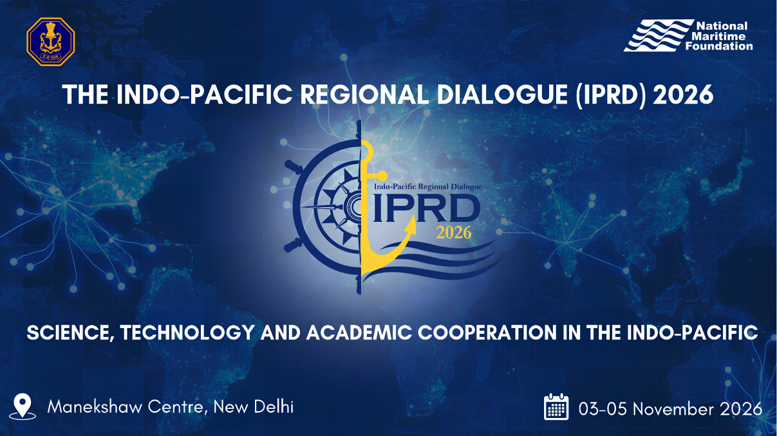
Indo-Pacific Regional Dialogue 2026 (IPRD-2026)
Introduction
The Indian Navy will organise the Indo-Pacific Regional Dialogue 2026 (IPRD-2026) from 3 to 5 November 2026 at the Manekshaw Centre in New Delhi. The annual conference serves as the Indian Navy’s apex-level international outreach platform for strategic discussions on maritime and regional issues.
The event is being organised in association with the National Maritime Foundation (NMF), which serves as the Navy’s knowledge partner and principal organiser.
Theme of IPRD-2026
The theme of the 2026 edition is “Science, Technology and Academic Cooperation in the Indo-Pacific.”
The conference will examine how countries can strengthen cooperation in scientific research, technological innovation and academic partnerships to address shared regional challenges.
Key Areas of Discussion
The dialogue will focus on practical approaches to:
- Joint scientific research and collaborative technology development.
- Responsible governance of emerging technologies.
- Appropriate access to scientific data.
- Stronger institutional partnerships among participating countries.
- Greater collaboration between researchers, policymakers and maritime professionals.
The event is expected to bring together maritime practitioners, scientists, academicians, policymakers and other experts from 18 countries across the Indo-Pacific.
Significance of IPRD-2026
The Indo-Pacific is an important region for global trade, maritime security, technological development and scientific cooperation. Dialogue among regional stakeholders can help build mutual understanding and develop practical solutions to shared challenges.
By emphasising science, technology and academic cooperation, IPRD-2026 aims to expand collaboration beyond traditional maritime security discussions and encourage long-term institutional partnerships.
Conclusion
IPRD-2026 provides an important platform for strategic engagement among Indo-Pacific countries. Its emphasis on scientific collaboration, technological development and academic exchange reflects the growing importance of collective approaches to regional challenges.
Key Facts for Competitive Exams
- Event: Indo-Pacific Regional Dialogue 2026
- Dates: 3–5 November 2026
- Venue: Manekshaw Centre, New Delhi
- Organiser: Indian Navy
- Knowledge partner and principal organiser: National Maritime Foundation
- Theme: Science, Technology and Academic Cooperation in the Indo-Pacific
- Participating countries: Experts from 18 countries
Conclusion of Exercise INDRA 2026
Introduction
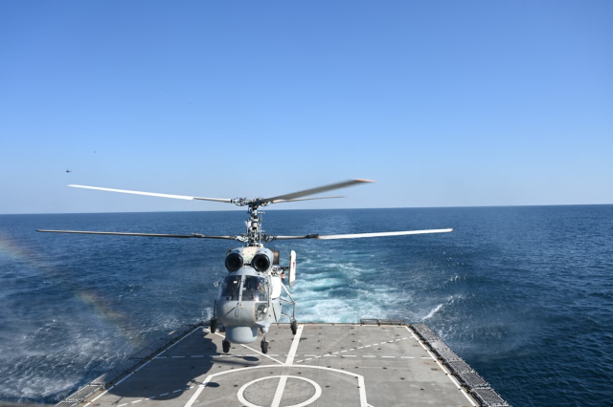
The bilateral naval exercise INDRA 2026, conducted between the Indian Navy and the Russian Federation Navy, concluded successfully in October 2026. Following the exercise, Indian Naval Ship INS Sahyadri departed Vladivostok, Russia, on 20 October 2026.
The exercise provided an opportunity for the two navies to strengthen professional engagement, practise coordinated maritime operations and improve interoperability.
Two Phases of the Exercise
INDRA 2026 consisted of two main phases: the Harbour Phase and the Sea Phase.
1. Harbour Phase
The Harbour Phase focused on professional exchanges and activities intended to build mutual understanding between the participating personnel.
Major activities included:
- Interactions between senior leaders.
- Cross-deck visits between naval ships.
- Subject Matter Expert (SME) exchanges.
- Operational synchronisation activities.
- Sports competitions and cultural exchanges.
These engagements allowed personnel from both navies to exchange operational experiences, discuss professional practices and develop closer working relationships.
2. Sea Phase
The Sea Phase concentrated on practical maritime operations and coordination at sea.
The activities included:
- Coordinated manoeuvring.
- Integrated communications.
- Helicopter operations.
- Medical evacuation drills.
These exercises enabled participating units to practise coordinated procedures, improve communication and strengthen their ability to operate together in a maritime environment.
Significance of INDRA 2026
Regular bilateral exercises help navies develop familiarity with each other’s procedures and improve operational coordination. The combination of professional exchanges and practical sea training also supports confidence-building and sustained defence engagement.
For India and Russia, INDRA remains an important platform for naval cooperation and maritime interaction.
Conclusion
The successful conclusion of INDRA 2026 and INS Sahyadri’s departure from Vladivostok marked the completion of another round of bilateral naval engagement. The exercise reinforced professional exchanges and provided opportunities to improve maritime coordination and interoperability.
Key Facts for Competitive Exams
- Exercise: INDRA 2026
- Participating forces: Indian Navy and Russian Federation Navy
- Indian ship mentioned: INS Sahyadri
- Departure date: 20 October 2026
- Location: Vladivostok, Russia
- Phases: Harbour Phase and Sea Phase
- Major sea activities: Manoeuvring, communications, helicopter operations and medical evacuation drills
Indo-Tibetan Border Police (ITBP) Raising Day
Introduction
Prime Minister Narendra Modi extended greetings to personnel of the Indo-Tibetan Border Police (ITBP) on the occasion of the force’s Raising Day. The ITBP was established on 24 October 1962, following the Sino-Indian War of 1962.
The force plays an important role in safeguarding India’s border with the Tibet Autonomous Region of China and carrying out duties in challenging high-altitude environments.
Establishment and Role
The ITBP was raised under the CRPF Act in the aftermath of the 1962 conflict. Its initial purpose was to develop a force capable of responding to foreign encroachments and infiltration.
The ITBP functions under the Ministry of Home Affairs, Government of India. Its responsibilities include border guarding, surveillance and other security duties associated with India’s mountainous frontier.
The force operates in difficult geographical conditions, including high-altitude terrain and areas exposed to severe weather.
Organisational Structure
According to the supplied material, the ITBP’s organisational structure includes commands, frontiers and sectors headed by senior police officers.
The details provided are:
- Commands: Two, headed by Additional Directors General of Police.
- Frontiers: Five, each headed by an Inspector General of Police.
- Sectors: Fifteen, each headed by a Deputy Inspector General.
The supplied material also reports 64 battalions, comprising 60 regular battalions and four specialist battalions, along with 17 training centres and seven logistics establishments. It mentions two rescue battalions deputed to the National Disaster Response Force (NDRF).
Importance of the ITBP
The force’s duties require specialised training, physical endurance and the ability to operate in demanding terrain. Its personnel contribute to border security and support operations in remote mountainous regions.
The Raising Day provides an opportunity to recognise the service and dedication of ITBP personnel and acknowledge the force’s role in India’s internal and border security framework.
Conclusion
Established after the Sino-Indian War of 1962, the ITBP remains an important component of India’s border security arrangements. Its Raising Day honours the personnel who serve in challenging conditions to protect the country’s frontier.
Key Facts for Competitive Exams
- Full form: Indo-Tibetan Border Police
- Raising Day: 24 October
- Year established: 1962
- Historical context: Sino-Indian War of 1962
- Administrative ministry: Ministry of Home Affairs
- Primary border responsibility: India’s border with the Tibet Autonomous Region of China
- Battalions reported in the supplied material: 64
- Training centres reported: 17
- Logistics establishments reported: Seven

Indian Army Receives First Batch of Indigenous Nagastra-2 Loitering Munitions
Introduction
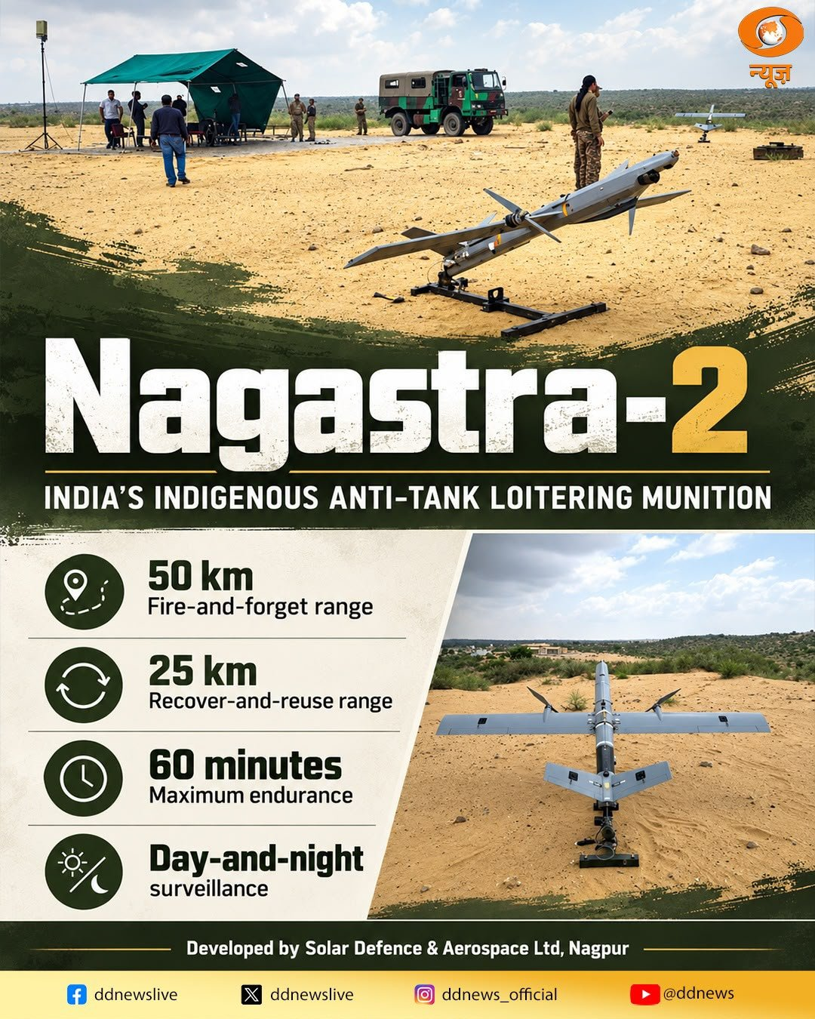
The Indian Army has received its first batch of Nagastra-2 loitering munitions, according to the supplied current-affairs material. These indigenous systems are designed to provide precision-strike capabilities against targets, including armoured vehicles, while operating in electronically contested environments.
The procurement is intended to meet the Army’s immediate operational requirements and reflects the growing emphasis on domestic defence technology.
What Is a Loitering Munition?
A loitering munition is an unmanned weapon system that can remain airborne for a period while searching for or tracking a target before engaging it. It combines certain characteristics of an unmanned aerial vehicle and a precision-guided munition.
Such systems can provide flexibility in battlefield surveillance and engagement, subject to their design and operational limitations.
Designed for Electronic Warfare Environments
The supplied material states that Nagastra-2 has been designed to operate in environments where satellite navigation signals may be disrupted or unavailable.
Learning from conditions encountered during Operation Sindoor, the Army sought systems capable of functioning in GPS-denied environments. The munition reportedly uses an onboard vision-based guidance system to track and engage moving targets.
The system completed technical trials at the Mahajan Field Firing Range (MFFR) in August 2026, according to the information provided.
Anti-Armour Capability
The reported configuration includes an indigenously developed 4 kg tandem anti-tank warhead. According to the supplied material, the warhead is designed to defeat Explosive Reactive Armour (ERA) and penetrate up to 650 mm of Rolled Homogeneous Armour (RHA).
The system is also reported to have:
- An operational range exceeding 25 km.
- A dual-sensor electro-optical payload for day-and-night operations.
- The ability to detect, track and engage various targets, including armoured vehicles.
- Features intended to improve resilience in electronic warfare conditions.
These characteristics are intended to support precision engagement in modern battlefield environments.
Role of Indigenous Defence Manufacturing
The system is associated with Solar Defence and Aerospace, which described Nagastra-2 as an indigenous loitering munition designed for modern electronic warfare scenarios.
Domestic development of such systems can support India’s defence manufacturing ecosystem, encourage technological innovation and improve the availability of specialised equipment for the armed forces.
Strategic Significance
Nagastra-2 reflects the Indian Army’s interest in combining precision engagement with resilience against electronic interference. Its reported capabilities are relevant to battlefield environments in which communication, navigation and target tracking may be disrupted.
The system’s actual operational effectiveness depends on its integration, training, deployment conditions and performance in service.
Conclusion
The reported delivery of the first batch of Nagastra-2 marks a step in the Indian Army’s adoption of indigenous loitering munitions. Its focus on GPS-denied operation, electro-optical guidance and anti-armour capability highlights the growing importance of advanced unmanned systems in modern warfare.
Key Facts for Competitive Exams
- System: Nagastra-2 loitering munition
- User: Indian Army
- Manufacturer mentioned: Solar Defence and Aerospace
- Trial location: Mahajan Field Firing Range, Rajasthan
- Reported trial period: August 2026
- Operational range: More than 25 km
- Warhead: 4 kg tandem anti-tank warhead
- Reported armour penetration: Up to 650 mm RHA
- Key feature: Guidance designed for GPS-denied environments
Ukraine Joins NATO Support and Procurement Agency Partnership
Ukraine has joined the Security Cooperation Support Partnership (SCSP) of the NATO Support and Procurement Agency (NSPA), according to the supplied material. The development is intended to create opportunities for Ukrainian defence companies to participate in NATO procurement contracts and contribute to discussions about Ukraine’s defence and industrial requirements.
The partnership comes amid the continuing Russia–Ukraine conflict and efforts to strengthen Ukraine’s defence industrial base.
What Is the NATO Support and Procurement Agency?
The NATO Support and Procurement Agency provides support and procurement services to NATO member countries and other eligible participants. Its work includes helping participating countries acquire equipment and services and supporting multinational cooperation in defence-related procurement.
Ukraine’s participation in the SCSP is intended to improve its access to the agency’s expertise, knowledge and capabilities.
Opportunities for Ukrainian Defence Companies
According to the supplied material, the partnership will enable Ukrainian defence companies to access procurement opportunities and develop closer links with NATO Allies.
Potential areas of engagement include:
- Understanding procurement requirements and procedures.
- Exploring opportunities to supply defence-related products and services.
- Building partnerships with companies in participating countries.
- Contributing to the development of Ukraine’s defence-industrial requirements.
Participation in the partnership does not, by itself, guarantee that every Ukrainian company will receive a NATO contract. Companies must still meet the relevant procurement conditions.
Ukraine Industry Day in Kyiv
To mark the partnership, the NSPA reportedly organised a dedicated Ukraine Industry Day in Kyiv on 14 October 2026.
The event brought together approximately 150 Ukrainian companies from across the defence industrial sector. It provided a platform for discussing procurement trends, exploring business opportunities and establishing potential partnerships.
The supplied material describes the event as the first of its kind organised by a NATO body since Russia launched its full-scale invasion of Ukraine in February 2022.
Significance for Ukraine and NATO
The partnership may help Ukrainian defence manufacturers engage more directly with NATO-related procurement processes and develop connections with international suppliers and buyers.
For Ukraine, stronger industrial links could support efforts to expand domestic defence production and improve access to technical expertise. For NATO participants, cooperation can provide additional opportunities to understand Ukrainian industrial capabilities and defence requirements.
Conclusion
Ukraine’s participation in the NSPA’s Security Cooperation Support Partnership represents a step towards closer engagement between Ukrainian defence companies and NATO-related procurement networks. The initiative aims to strengthen industrial cooperation and support the development of Ukraine’s defence sector amid the ongoing conflict.
Key Facts for Competitive Exams
- Country: Ukraine
- Organisation: NATO Support and Procurement Agency
- Partnership: Security Cooperation Support Partnership (SCSP)
- Industry event: Ukraine Industry Day
- Location: Kyiv
- Date of Industry Day: 14 October 2026
- Reported participants: Approximately 150 Ukrainian companies
- Conflict context: Russia’s full-scale invasion of Ukraine began in February 2022
Quick Revision Table
| Topic | Important Fact |
|---|---|
| IPRD-2026 | 3–5 November 2026, New Delhi |
| IPRD-2026 theme | Science, Technology and Academic Cooperation in the Indo-Pacific |
| INDRA 2026 | Bilateral naval exercise between India and Russia |
| INS Sahyadri | Departed Vladivostok on 20 October 2026 |
| ITBP Raising Day | 24 October; established in 1962 |
| Nagastra-2 | Indigenous loitering munition received by the Indian Army |
| Nagastra-2 reported range | More than 25 km |
| Ukraine–NSPA partnership | Security Cooperation Support Partnership |
| Ukraine Industry Day | Kyiv, 14 October 2026 |
Preparation note: These articles are rewritten from the information supplied. The Nagastra-2 specifications, ITBP organisational figures and Ukraine–NSPA announcement have not been independently verified here; check official releases before presenting them as confirmed facts in published exam material.

Review Questions
- What was the theme of the Indo-Pacific Regional Dialogue (IPRD) 2026?
A. Maritime Security and Regional Stability
B. Science, Technology and Academic Cooperation in the Indo-Pacific
C. Indo-Pacific Economic Integration
D. Blue Economy and Sustainable Development
Answer: B. Science, Technology and Academic Cooperation in the Indo-Pacific - Where was the Indo-Pacific Regional Dialogue (IPRD) 2026 scheduled to be held?
A. Mumbai
B. Kochi
C. New Delhi
D. Visakhapatnam
Answer: C. New Delhi - INS Sahyadri departed from which Russian city after the conclusion of INDRA
2026?
A. Moscow
B. St. Petersburg
C. Vladivostok
D. Novosibirsk
Answer: C. Vladivostok - On which date was the Indo-Tibetan Border Police (ITBP) established?
A. 15 August 1947
B. 26 January 1950
C. 24 October 1962
D. 9 April 1965
Answer: C. 24 October 1962 - The Indo-Tibetan Border Police (ITBP) functions under which ministry?
A. Ministry of Defence
B. Ministry of Home Affairs
C. Ministry of External Affairs
D. Ministry of Personnel, Public Grievances and Pensions
Answer: B. Ministry of Home Affairs - Which company is associated with the development of the Nagastra-2 loitering
munition?
A. Hindustan Aeronautics Limited
B. Bharat Dynamics Limited
C. Solar Defence and Aerospace
D. Bharat Electronics Limited
Answer: C. Solar Defence and Aerospace - What is the reported maximum range of the Nagastra-2 loitering munition?
A. 10 km
B. 15 km
C. More than 25 km
D. 100 km
Answer: C. More than 25 km - What is the primary significance of Ukraine joining NATO’s NSPA Security
Cooperation Support Partnership (SCSP)?
A. Ukraine became a full NATO member.
B. Ukrainian defence companies gained access to NATO procurement opportunities.
C. Ukraine received permanent membership of the UN Security Council.
D. Ukraine joined the European Union’s single currency system.
Answer: B. Ukrainian defence companies gained access to NATO procurement
opportunities. - What does NSPA stand for in the context of NATO?
A. NATO Security and Protection Alliance
B. National Security Procurement Agency
C. NATO Support and Procurement Agency
D. North Atlantic Strategic Partnership Association
Answer: C. NATO Support and Procurement Agency - NAVIC Stands For
A. India Regional Navigation Satellite System
B. Indian Regional Navigator Satellite System
C. Indian Regional Navigation Satellite Source
D. Indian Regional Navigation Satellite System
ANSWER: D - Major Rank Of the Indian Army Is Equivalent To Which Rank Of The Indian
Navy?
A. Captain
B. Inspector
C. Lt Commander
D. Vice-admiral
ANSWER: C - Training Command of IAF is located at
A. New Delhi
B. Bangalore
C. Gurugram
D. Lucknow
ANSWER: B - Captain Of Indian Army Is Equivalent To Rank Of IAF Is
A. Wing Commander
B. Squadron Leader
C. Flight Lt.
D. Air Chief Marshal
ANSWER: C - Colonel Rank Of Indian Army Is Equivalent To Rank Of Indian Navy Is
A. Commander
B. Captain
C. Group Captain
D. Lieutenant
ANSWER: B - Warsaw Is The Capital Of
A. Oman
B. Germany
C. Ukraine
D. Poland
ANSWER: D - “Indian Fiscal Federalism” Book Is Written By
A. Dr. Bibek Debroy
B. Dr. Krishna Saksena
C. Dr. Y.V. Reddy
D. Jairam Ramesh
ANSWER: C - Tangail Airdrop Was Done At Which War
A. 1948
B. 1962
C. 1965
D. 1971
ANSWER: D - War Cry of NAGA REGIMENT
A. Bharat Mata ki Jai
B. Ki ki so so Lhargyalo
C. Jai Durga Naga
D. Durga Mata Ki Jai
ANSWER: C - Sankalp-class OPV Designed And Built By
A. Goa Shipyard Limited
B. GRSE
C. MDL
D. CSL
ANSWER: A - Mitra Shakti Ex Held B/w India &
A. Sri Lanka
B. USA
C. UK
D. Nepal
ANSWER: A
ALSO READ:
- Latest Daily Current Affairs and Defence Updates
- Latest Daily Current Affairs September 2026[DOWNLOAD PDF]
- Latest Daily Current Affairs August 2026[DOWNLOAD PDF]
- Latest Daily Current Affairs July 2026[DOWNLOAD PDF]
- Latest Daily Current Affairs June 2026[DOWNLOAD PDF]
- Latest Daily Current Affairs May 2026[DOWNLOAD PDF]
- Latest Daily Current Affairs April 2026[DOWNLOAD PDF]
- Latest Daily Current Affairs March 2026[DOWNLOAD PDF]
- Latest Daily Current Affairs February 2026[DOWNLOAD PDF]
- Latest Daily Current Affairs January 2026[DOWNLOAD PDF]
- Latest Daily Current Affairs November 2025[DOWNLOAD PDF]
- Latest Daily Current Affairs October 2025[DOWNLOAD PDF]
- Latest Daily Current Affairs August 2025[DOWNLOAD PDF]
- Latest Daily Current Affairs July 2025[DOWNLOAD PDF]