In Defence Current Affairs for 26 October 2026, we will see the latest national and international current affairs news. These important current affairs will be beneficial for your upcoming NDA, CDS, CDS OTA, AFCAT, TA, Agniveer Army, Agniveer Navy, Agniveer Air Force, Women Military Police, INET, MNS, ACC exams, SCO, PCSL, CAPF, and SSB interviews, and direct entries for Army, Navy, and Air Force like SSC Tech, TGC, JAG, NCC, TES, 10+2 Cadet. Download a PDF file about current events at the end of this article. Let us now see the Current Affairs.
Defence Current Affairs 26 October 2026
Indigenous AIP System for Indian Navy Submarines Reaches a Major Milestone
Introduction
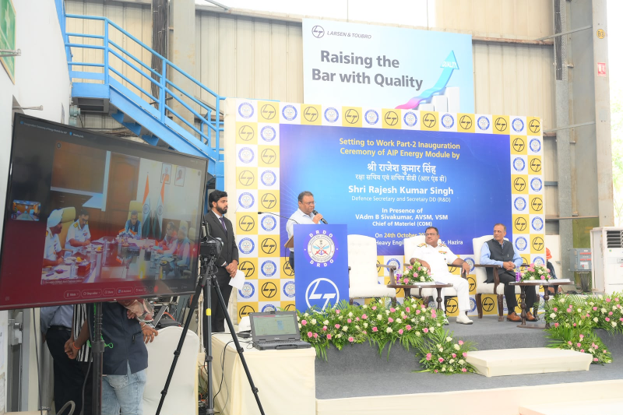
India has achieved an important milestone in strengthening the underwater endurance of its conventional submarines. The indigenous Air Independent Propulsion (AIP) system, developed by the Naval Materials Research Laboratory (NMRL) of the Defence Research and Development Organisation (DRDO), has entered the Setting to Work Phase-2 (STW-2) activity.
What Is the AIP System?
An Air Independent Propulsion system enables diesel-electric submarines to remain submerged for longer periods by reducing their dependence on atmospheric oxygen. This capability can improve underwater endurance and enhance a submarine’s operational flexibility.
The system is particularly important for conventional submarines, which otherwise need to surface or use a snorkel periodically to obtain air for operating their diesel engines and recharging batteries.
Where Was the Milestone Achieved?
The STW-2 activity was inaugurated on 24 October 2026 at Larsen & Toubro’s AM Naik Heavy Engineering Complex in Hazira, Gujarat.
The programme reflects collaboration between DRDO and the Indian Navy. The Navy has supported the development process by participating in testing and validating the system at different stages of its trials.
Next Stage of Development
The next phase will involve energising the AIP Energy Module to generate power. It will then undergo rigorous testing in accordance with Indian Navy protocols, with particular attention to the safety requirements associated with hydrogen and fuel-cell technologies.
Following successful testing, the module is expected to be handed over to Mazagon Dock Shipbuilders Limited (MDL) for integration into a Kalvari-class submarine in early 2027, according to the supplied information.
Significance
The indigenous AIP programme represents an important step towards strengthening India’s submarine capabilities through domestic defence technology. It also highlights cooperation among DRDO, the Indian Navy and Indian industry.
Key facts for revision
- Technology: Air Independent Propulsion (AIP)
- Developer: Naval Materials Research Laboratory, DRDO
- Milestone: Setting to Work Phase-2 (STW-2)
- Location: Hazira, Gujarat
- Date: 24 October 2026
- Planned integration: Kalvari-class submarine
Swavlamban 2026 to Advance Indian Navy’s Self-Reliance
Introduction
The Indian Navy is placing increasing emphasis on indigenous technology, innovation and domestic defence manufacturing to prepare for future maritime challenges. In this context, Swavlamban 2026 is set to provide a platform for Indian innovators to contribute to the Navy’s technological development.
Chief of the Naval Staff Admiral Krishna Swaminathan has highlighted the importance of building a technologically advanced, self-reliant and future-ready naval force.
What Is Swavlamban?
Swavlamban is the Indian Navy’s flagship initiative focused on innovation, indigenisation and self-reliance. Launched in July 2022, it aims to connect the Navy with India’s innovation ecosystem, including startups, universities, research laboratories and industry.
According to the supplied information, participation has expanded considerably over successive editions. The first edition attracted around 800 participants, while participation reached nearly 3,000 in 2025.
Theme, Venue and Dates
The 2026 edition will be held in New Delhi on 26 and 27 October 2026 under the theme “Ideas to Impact.”
The event aims to strengthen collaboration between the Indian Navy and domestic innovators, helping promising technological ideas move towards practical applications in maritime defence.
Role of Indigenous Technology
Modern naval operations increasingly depend on advanced technologies and innovative solutions. Research laboratories, universities and startups across India are developing technologies that could influence future battlefields.
Swavlamban 2026 seeks to expand opportunities for these innovators to contribute directly to the Navy’s future requirements. The initiative also supports the broader national objective of Aatmanirbhar Bharat.
Significance
The initiative can help reduce dependence on imported defence technologies, encourage domestic research and development, and strengthen India’s maritime preparedness. It also creates opportunities for collaboration between military users, researchers and Indian industry.
Key facts for revision
- Event: Swavlamban 2026
- Organiser: Indian Navy
- Theme: Ideas to Impact
- Dates: 26–27 October 2026
- Venue: New Delhi
- Launch: July 2022
- Main focus: Innovation, indigenisation and self-reliance

India’s Indigenous ‘Sahastra Shakti’ Laser Weapon Achieves a Key Milestone
Introduction
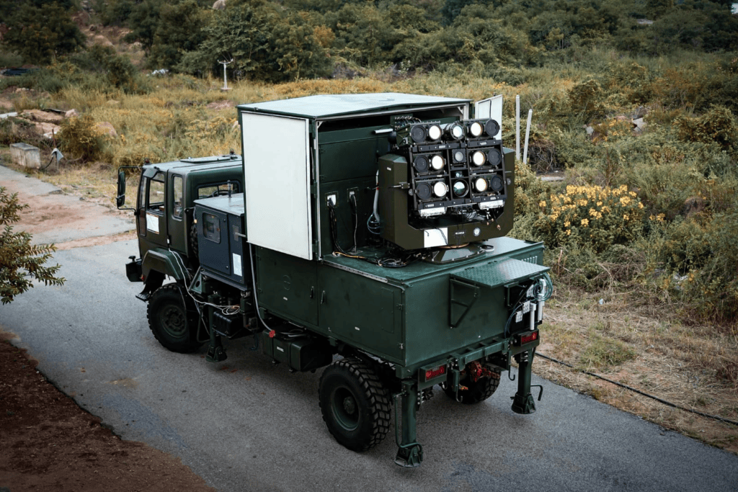
India has taken a significant step in the development of advanced air-defence technology with the successful demonstration of the indigenous 30-kilowatt Laser Directed Energy Weapon (DEW) MK-II(A), known as Sahastra Shakti.
The system is designed to counter emerging aerial threats, particularly hostile unmanned aerial vehicles (UAVs) and coordinated drone swarms.
What Is a Directed Energy Weapon?
Unlike conventional weapons that generally rely on physical interceptors, a laser-directed energy weapon uses concentrated energy to engage a target. Such systems could provide an additional layer of protection against drones and other aerial threats.
The growing use of relatively inexpensive UAVs, loitering munitions and coordinated drone formations has created new challenges for traditional air-defence networks. Laser weapons are being developed as one potential way to address these threats.
Technical Features of Sahastra Shakti
According to the supplied information, the DEW MK-II(A) has the following features:
- Laser power: 30 kilowatts
- Laser configuration: Six sources, each rated at 5 kilowatts
- Reported engagement range: Up to 5 kilometres
- Primary targets: Fixed-wing UAVs and drone swarms
- Additional targets: Surveillance sensors and antennae
The system is designed to damage the structure of a target through intense heat or disable sensitive optical and electronic equipment by blinding its sensors.
Why Is Laser Technology Important?
Laser-based systems offer a different approach to air defence. Because the energy travels at the speed of light, engagement can occur very rapidly once a target is acquired and the system is ready to fire.
Such weapons may also reduce dependence on conventional missile interceptors in suitable operational conditions. However, their effectiveness depends on factors such as target characteristics, atmospheric conditions, tracking accuracy and available power.
Significance for India’s Defence Preparedness
The demonstration highlights India’s efforts to develop indigenous technologies for countering evolving aerial threats. If successfully integrated into operational air-defence systems, directed energy weapons could complement guns, missiles and electronic countermeasures.
The development also reflects the importance of domestic research in strengthening technological self-reliance and preparing India’s armed forces for changing forms of warfare.
Key facts for revision
- System: Sahastra Shakti
- Category: Laser Directed Energy Weapon
- Variant: DEW MK-II(A)
- Power: 30 kW
- Reported range: Up to 5 km
- Primary role: Countering hostile drones and aerial swarms
Trump Weighs Diplomatic Deal or Further Military Action Against Iran
Introduction
Tensions between the United States and Iran remain a major concern for Middle Eastern security. According to the supplied report, US President Donald Trump is considering whether to pursue an agreement with Tehran or resume military strikes as regional threats and security concerns intensify.
The situation has implications for regional stability, international trade and global energy supplies.
Two Options Under Consideration
Trump has indicated that his administration faces a choice between reaching a deal with Iran and undertaking further military action. The report states that renewed strikes could be considered after the 3 November US midterm elections.
The United States has also deployed additional military assets to the region, including a third aircraft-carrier group, raising concerns about the possibility of a wider confrontation.
Growing Regional Security Concerns
The report describes increased security concerns across parts of the Middle East amid threats involving Iran and Yemen’s Iran-backed Houthi militants.
It also refers to adjustments in US diplomatic and military staffing in the region. These measures come against a backdrop of concerns about attacks on commercial vessels and strategically important infrastructure.
Saudi Arabia’s Riyadh airport, which had faced repeated Houthi strikes according to the report, reopened for commercial flights on Sunday.
Importance of the Strait of Hormuz
The Strait of Hormuz is one of the world’s most strategically important maritime chokepoints. It connects the Persian Gulf with the Gulf of Oman and the Arabian Sea.
A prolonged disruption to shipping through this passage could affect international oil supplies, energy prices and global trade. Consequently, any escalation involving Iran and the United States could have economic consequences extending well beyond the Middle East.
Iran’s Possible Response
The supplied report states that Iran is preparing for the possibility of another US bombing campaign and is considering potential retaliation across the region, including against Israel and the United Arab Emirates.
Such developments could increase the risk of further military escalation and complicate diplomatic efforts to reduce tensions.
Global Implications
A further confrontation between Washington and Tehran could affect regional security, commercial shipping routes and energy markets. Diplomatic engagement could help reduce these risks, while renewed military action could create uncertainty for countries across the region and beyond.
The situation demonstrates the close connection between geopolitical tensions, maritime security and the stability of global energy supplies.
Key facts for revision
- Countries directly involved: United States and Iran
- US President mentioned: Donald Trump
- Strategic maritime chokepoint: Strait of Hormuz
- Regional security concern: Attacks on shipping and infrastructure
- Potential global impact: Energy supplies, oil prices and international trade

Review Questions
- Which DRDO laboratory developed the indigenous Air Independent Propulsion
(AIP) system mentioned in the article?
A) Defence Research and Development Laboratory
B) Naval Materials Research Laboratory
C) Armament Research and Development Establishment
D) Electronics and Radar Development Establishment
Correct Answer: B) Naval Materials Research Laboratory - The indigenous AIP Energy Module is planned for integration into which class of
Indian Navy submarines?
A) Arihant-class
B) Sindhughosh-class
C) Kalvari-class
D) Shishumar-class
Correct Answer: C) Kalvari-class - What is the theme of Swavlamban 2026?
A) Innovation for Global Peace
B) Ideas to Impact
C) Make in India, Defend India
D) Technology for Maritime Security
Correct Answer: B) Ideas to Impact - Swavlamban 2026 is scheduled to take place on which dates?
A) 21–22 October 2026
B) 24–25 October 2026
C) 26–27 October 2026
D) 29–30 October 2026
Correct Answer: C) 26–27 October 2026 - What is the reported power of India’s Sahastra Shakti laser-directed energy
weapon?
A) 10 kW
B) 20 kW
C) 30 kW
D) 50 kW
Correct Answer: C) 30 kW - What is the reported maximum engagement range of the Sahastra Shakti system?
A) 2 kilometres
B) 5 kilometres
C) 10 kilometres
D) 15 kilometres
Correct Answer: B) 5 kilometres - Which strategic maritime chokepoint is central to concerns about global energy
supplies amid US–Iran tensions?
A) Strait of Malacca
B) Bab-el-Mandeb Strait
C) Strait of Gibraltar
D) Strait of Hormuz
Correct Answer: D) Strait of Hormuz - Which country, besides Israel, was mentioned as a possible target of Iranian
retaliation?
A) United Arab Emirates
B) Egypt
C) Jordan
D) Türkiye
Correct Answer: A) United Arab Emirates - Commandant of Defence Services Staff College Is
A. Lt Gen Virendra Vats
B. Lt Gen Vikram Singh
C. Rear Admiral Anil Sen
D. None
ANSWER: A - Cabinet Committee on Security Is Headed By
A. PM
B. NSA
C. The President
D. COAS Indian Army
ANSWER: A - Air Marshal Rank of IAF Is Equivalent To Which Rank Of Indian Army?
A. Brigadier
B. Lt. Gen
C. Captain
D. Major General
ANSWER: B - How Many States In India Have A Coastline?
A. Seven
B. Eight
C. Nine
D. Ten
ANSWER: C - OPEC Hq Is In
A. Budapest, Hungary
B. New York, USA
C. Luanda, Angola
D. Vienna, Austria
ANSWER: D - AUKUS Stands For
A. Azerbaijan, the United Kingdom, & the United States
B. Australia, the United Kingdom, & the United States
C. Australia, the United Kingdom, & Uganda
D. Argentina, the United Kingdom, & the United States
ANSWER: B - RIYADH Is The Capital Of
A. SAUDI ARABIA
B. SENEGAL
C. SERBIA
D. SEYCHELLES
ANSWER: A - “2001 Space Odyssey” Book Is Written By
A. C. Clarke
B. Abhijit Chavda
C. Hew Strachan
D. APJ Abdul Kalam
ANSWER: A - Captain Rank of Indian Navy Equivalent to Which rank of IAF?
A. Flying Officer
B. Flight Lieutenant
C. Group Captain
D. None
ANSWER: C - Predator B (MQ-9 Reaper) Is A
A. Helicopter
B. Machine Gun
C. UAV
D. Fighter Jet
ANSWER: C - International Maritime Organisation (IMO) Hq Is At
A. London, United Kingdom
B. Vienna, Austria
C. Paris, France
D. Geneva, Switzerland
ANSWER: A - “If you win, you need not have to explain…If you lose, you should not be
there to explain!” Said By__
A. Winston Churchill
B. Adolf Hitler
C. Subhas Chandra Bose
D. Bhagat Singh
ANSWER: A
ALSO READ:
- Latest Daily Current Affairs and Defence Updates
- Latest Daily Current Affairs September 2026[DOWNLOAD PDF]
- Latest Daily Current Affairs August 2026[DOWNLOAD PDF]
- Latest Daily Current Affairs July 2026[DOWNLOAD PDF]
- Latest Daily Current Affairs June 2026[DOWNLOAD PDF]
- Latest Daily Current Affairs May 2026[DOWNLOAD PDF]
- Latest Daily Current Affairs April 2026[DOWNLOAD PDF]
- Latest Daily Current Affairs March 2026[DOWNLOAD PDF]
- Latest Daily Current Affairs February 2026[DOWNLOAD PDF]
- Latest Daily Current Affairs January 2026[DOWNLOAD PDF]
- Latest Daily Current Affairs November 2025[DOWNLOAD PDF]
- Latest Daily Current Affairs October 2025[DOWNLOAD PDF]
- Latest Daily Current Affairs August 2025[DOWNLOAD PDF]
- Latest Daily Current Affairs July 2025[DOWNLOAD PDF]