




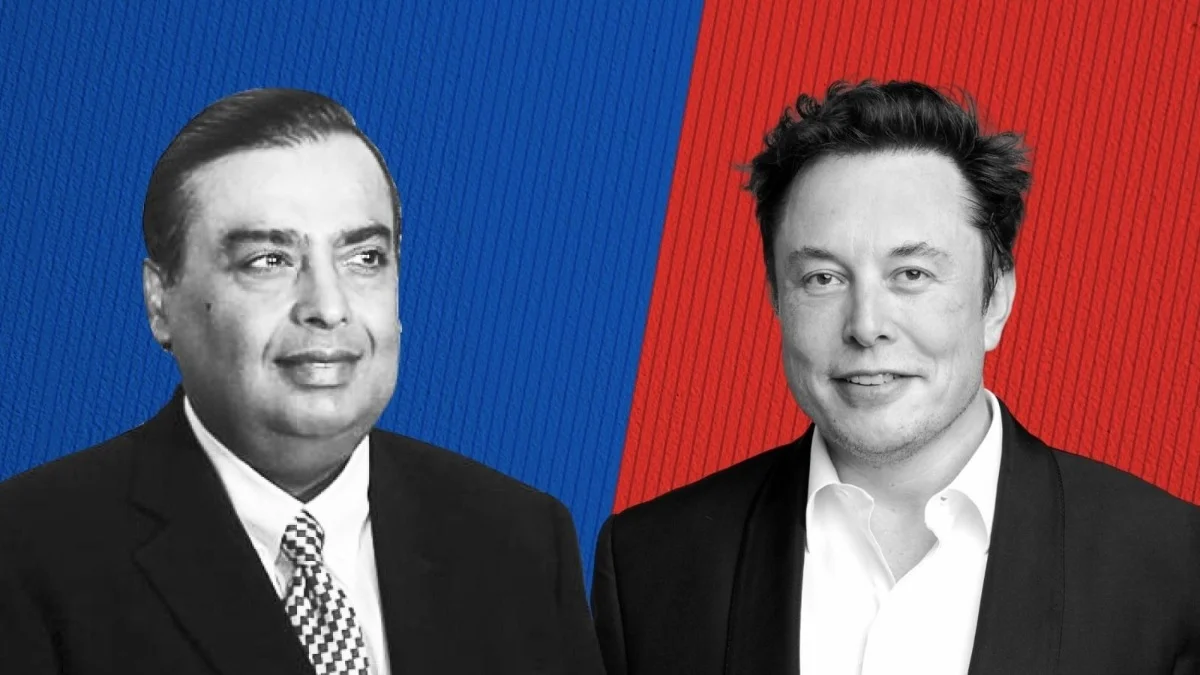
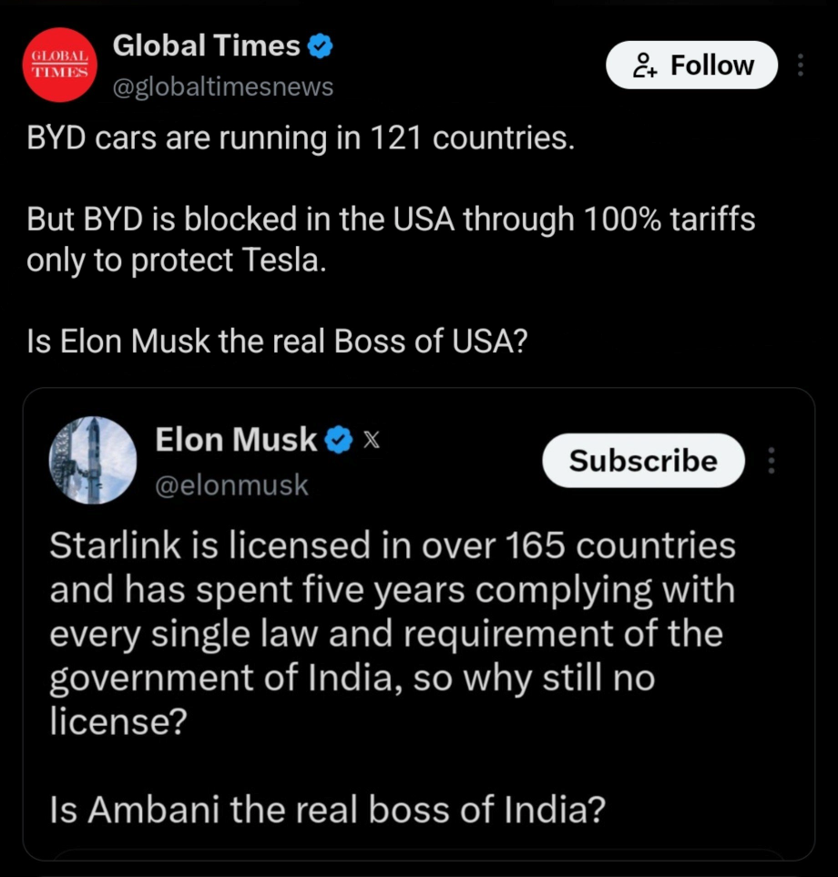
Elon Musk, the billionaire entrepreneur and head of SpaceX, has accused unnamed powerful business interests of obstructing the launch of Starlink satellite internet services in India. In a post on X on 7 October 2026, Musk alleged that certain individuals were attempting to preserve their monopoly over the Indian market.
Elon Musk Accuses ‘Oligarchs’ of Delaying Starlink’s Entry Into Bharat
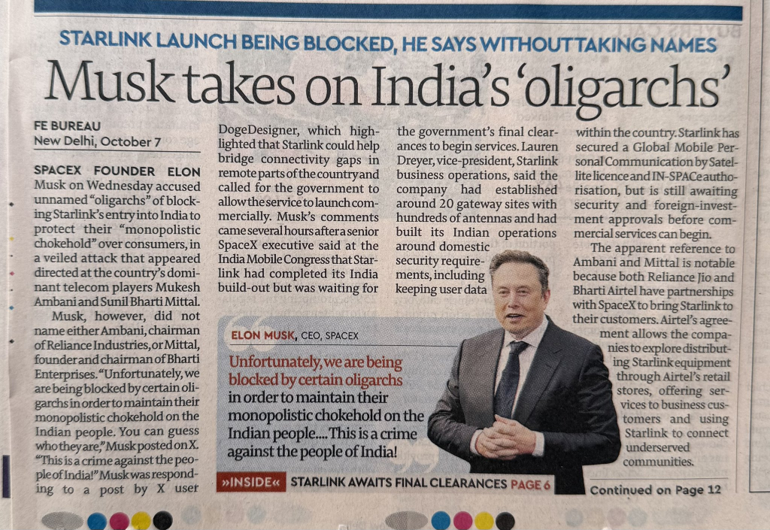
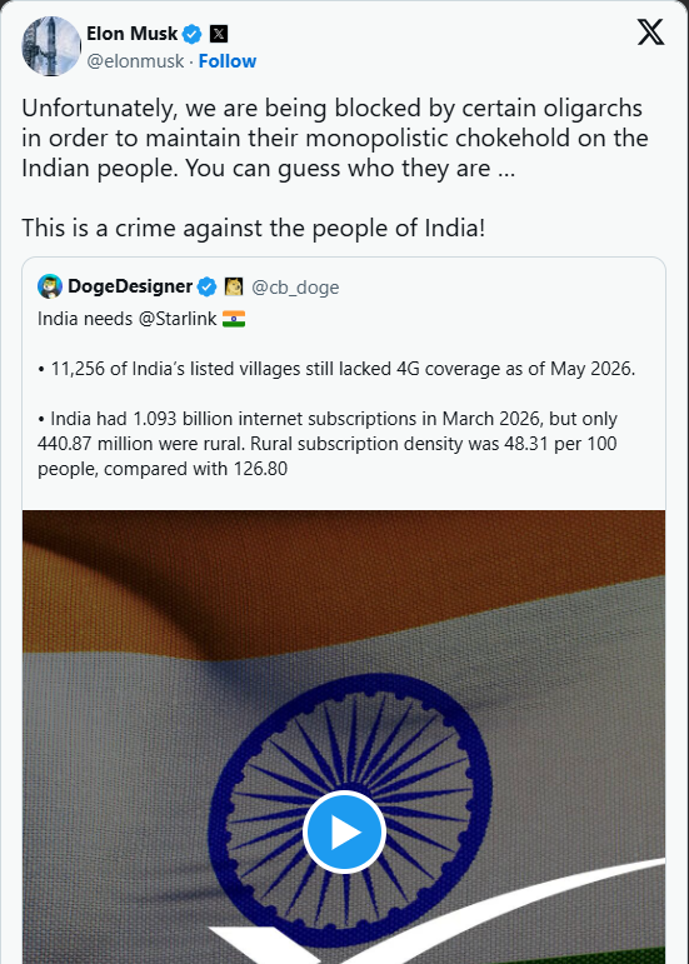
Elon Musk, the billionaire entrepreneur and head of SpaceX, has accused unnamed powerful business interests of obstructing the launch of Starlink satellite internet services in India. In a post on X on 7 October 2026, Musk alleged that certain individuals were attempting to preserve their monopoly over the Indian market.
The controversy emerged shortly after Starlink announced that it had established the necessary ground infrastructure and was prepared to begin operations in India, subject to the remaining regulatory approvals.
What Did Elon Musk Say?
Musk claimed that influential business interests were preventing Starlink from entering the Indian market to maintain their dominance in telecommunications. He described the alleged obstruction as a “crime against the people of India.”
He also argued that Starlink could provide high-speed and affordable internet connectivity to people living in remote areas and communities that lack reliable or affordable internet access.
The discussion followed a social media post highlighting a claim that 11,256 Indian villages lacked 4G coverage as of May 2026. This figure was cited in the online discussion rather than independently established in the report.
Starlink Says It Is Ready to Begin Operations
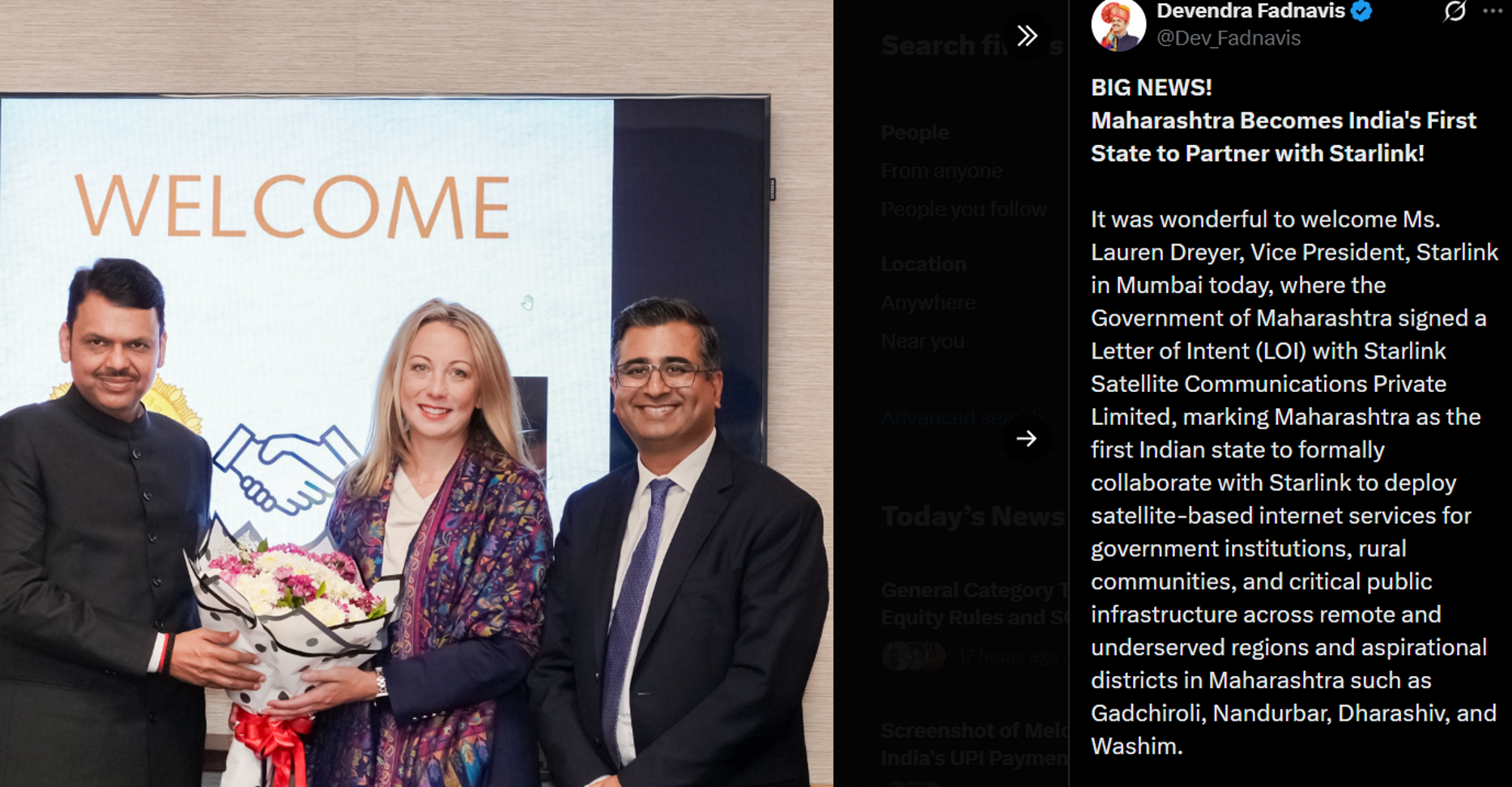
At the India Mobile Congress (IMC) 2026, Starlink’s Vice President of Business Operations, Lauren Dreyer, stated that the company had invested in infrastructure for the Indian market.
According to her statement, Starlink had established:
- 20 gateway sites across India, comprising hundreds of antennas.
- Ground infrastructure designed to support its satellite internet operations.
- India-specific security and regulatory controls.
- Arrangements intended to keep Indian users’ data within India.
Starlink maintained that its operational preparations had been tailored to meet India’s security requirements and applicable regulations.
Government’s Response
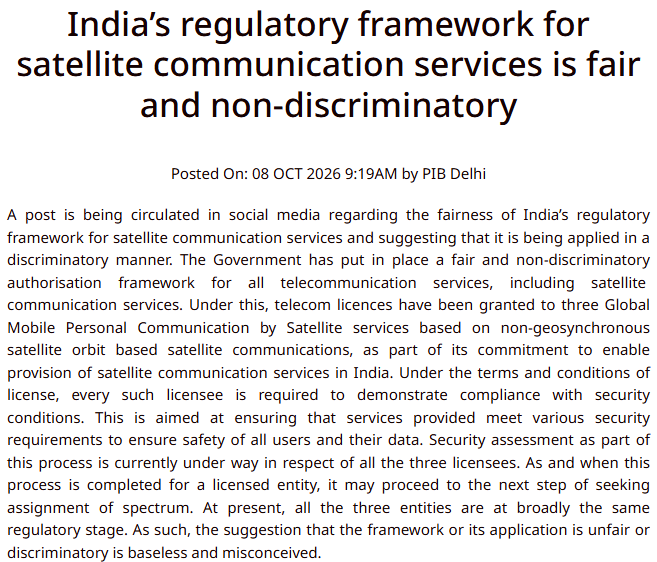
The Indian government rejected Musk’s allegation that domestic business interests were unfairly blocking Starlink’s entry. The Ministry of Communications stated that India’s regulatory framework for satellite communication services was fair and non-discriminatory.
The government also clarified that Starlink and two other companies had received licences to provide satellite communication services, but further requirements remained before commercial operations could begin.
These included:
- Completion of security assessments.
- Spectrum-related approvals and allocation.
- Compliance with applicable regulatory and security conditions.
According to the government’s statement, the three satellite communication operators were broadly at the same regulatory stage. It described suggestions of selective or discriminatory treatment as baseless.
Why Is Starlink’s Entry into India Significant?
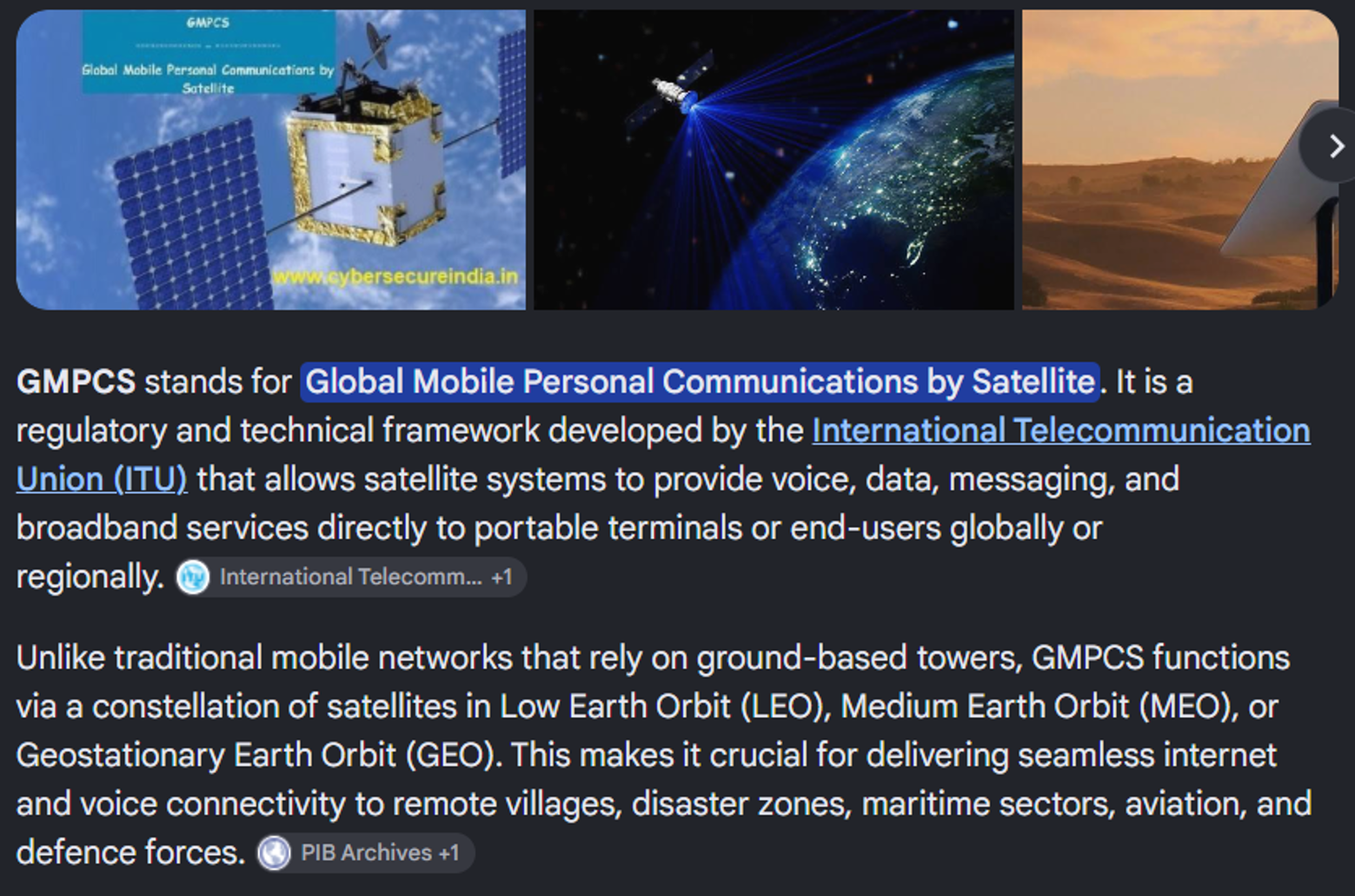
Starlink, operated by SpaceX, uses a constellation of satellites in low Earth orbit to provide internet connectivity. Satellite broadband can be particularly useful in geographically remote regions where conventional mobile networks and fibre-optic infrastructure are difficult or expensive to deploy.
Potential applications include:
- Connecting remote villages and underserved communities.
- Providing connectivity in mountainous and isolated regions.
- Supporting communications during emergencies and natural disasters.
- Expanding broadband options for households and businesses.
- Supplementing existing terrestrial telecommunications networks.
However, the actual benefits will depend on regulatory approval, service pricing, coverage, network performance and the availability of suitable user equipment.
Competition in India’s Satellite Internet Market
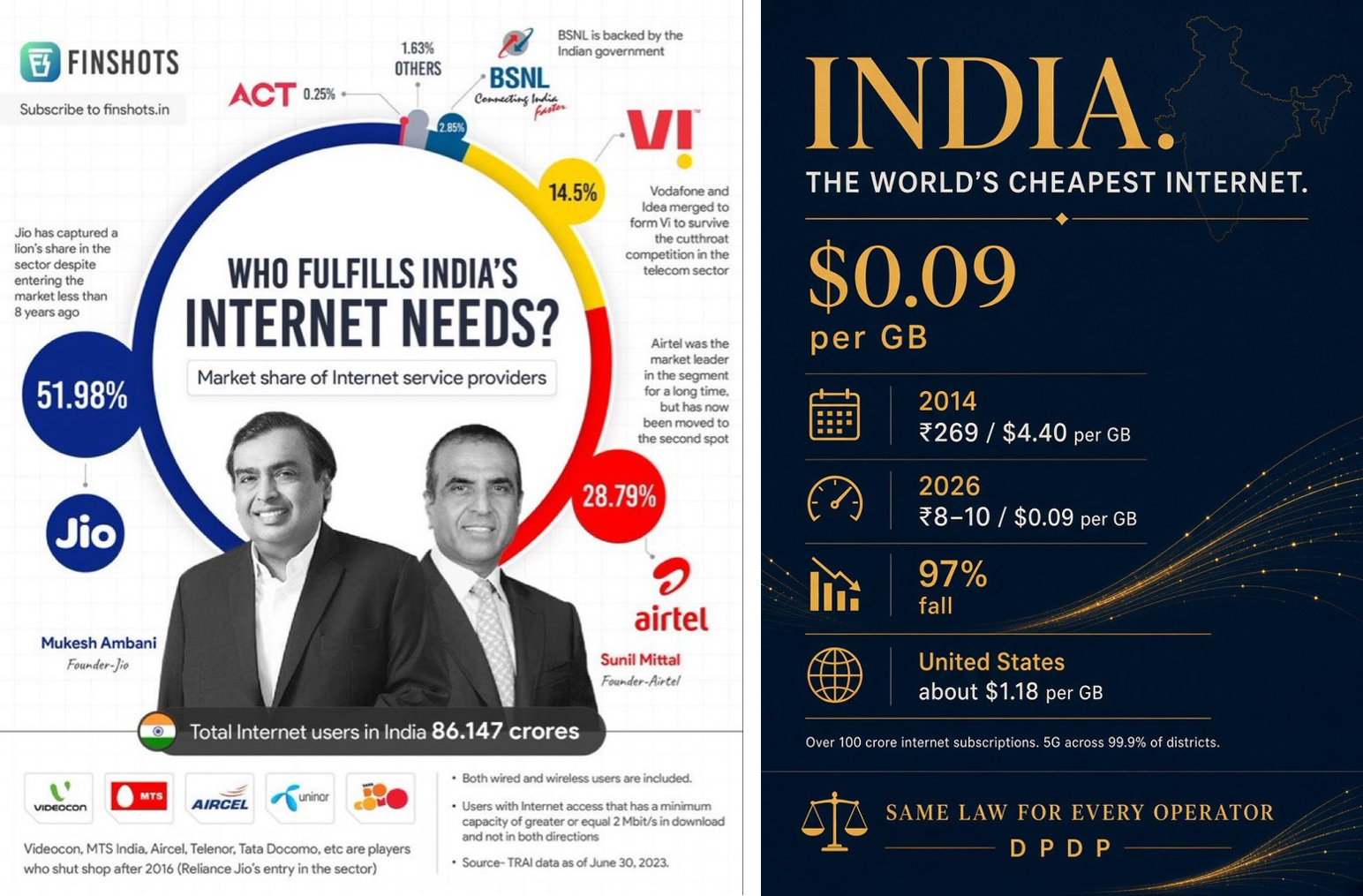
Starlink’s proposed entry comes amid growing competition in India’s satellite communications sector. Other companies, including Reliance Jio and Bharti Airtel, are also involved in efforts to develop satellite-based connectivity services.
The dispute highlights wider questions concerning market competition, spectrum allocation, security requirements and the regulation of foreign satellite communication providers.
Musk’s accusations represent his position in the controversy; they do not, by themselves, establish that Indian companies or officials deliberately obstructed Starlink. The government, for its part, has maintained that all relevant operators must satisfy the applicable requirements.
Conclusion
The disagreement between Elon Musk and the Indian government illustrates the challenges involved in introducing new satellite communication services into a large and strategically important telecommunications market. While Starlink says its infrastructure is ready, commercial operations remain dependent on the completion of regulatory and security procedures.
The outcome could influence competition in India’s satellite broadband sector and the expansion of internet connectivity in underserved regions.


