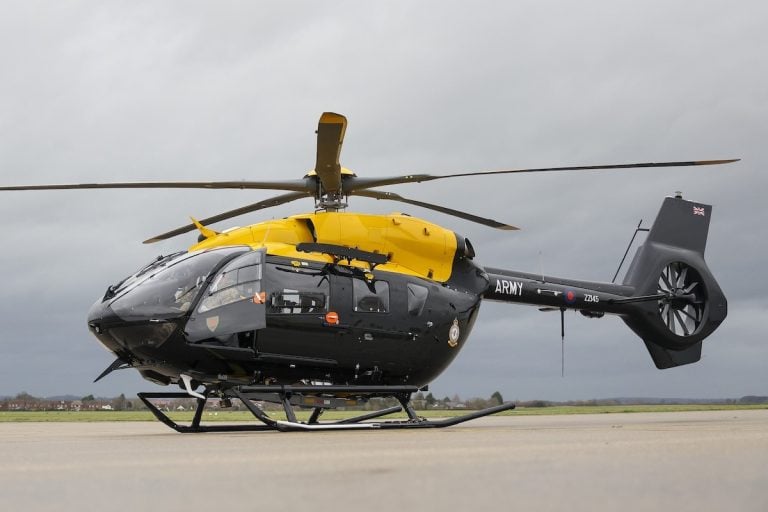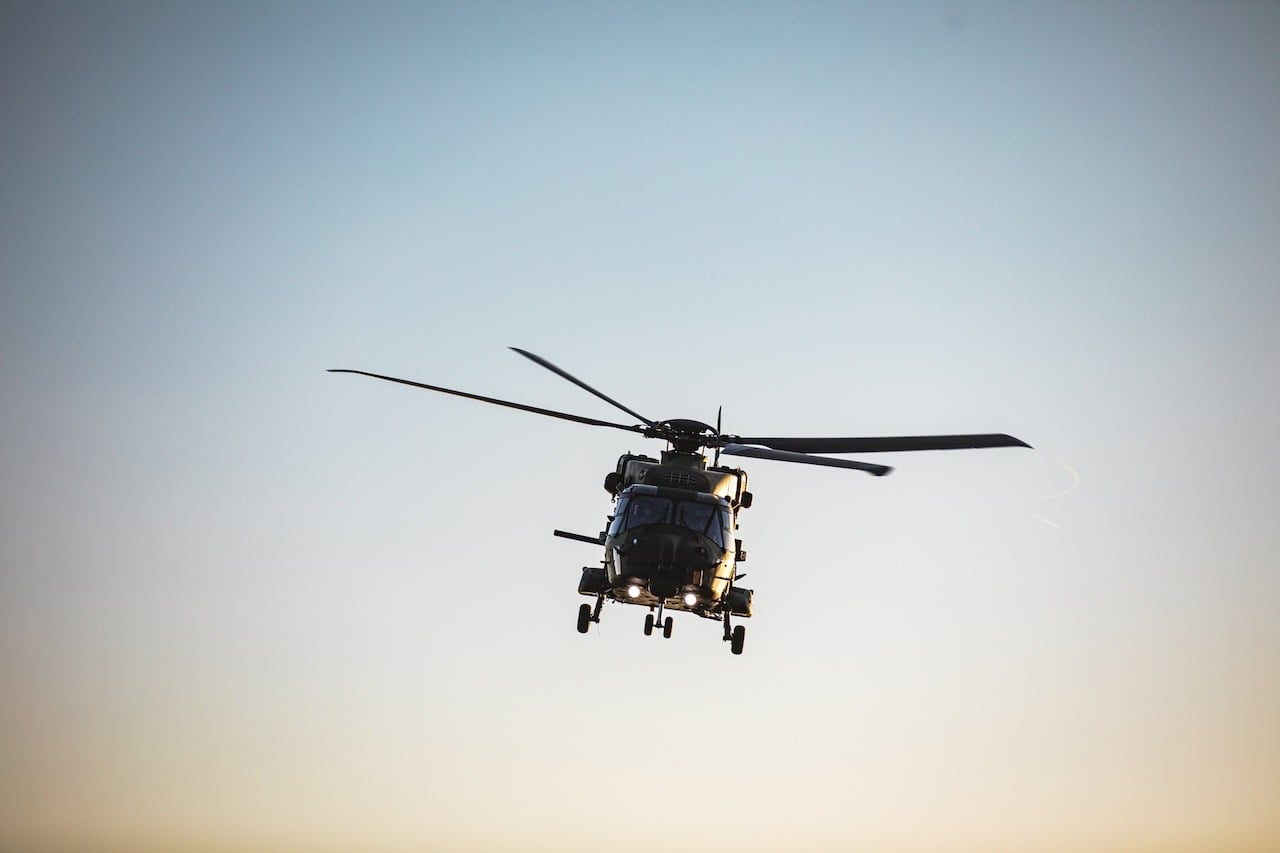
Military planners across Europe have prioritized the development of a versatile helicopter capable of a range of operations, from troop transport to disaster relief. This vision has culminated in the NH90, a modern medium-lift rotorcraft designed to meet the diverse needs of NATO nations and beyond.
The NH90, characterized by its twin engines, advanced avionics, and modular cabin, has emerged as one of the most adaptable helicopters in contemporary military aviation. It was born out of a multinational initiative, aimed at creating a split-role rotorcraft suitable for both land and maritime missions, and is produced by NHIndustries—a collaboration among Airbus Helicopters, Leonardo Helicopters, and GKN Fokker Aerostructures.
Since its initial prototype flight in December 1995 and subsequent entry into service in 2007, the NH90 has seen production soar, with over 600 units built for NATO and allied nations. The project began in the early 1990s when NATO identified the necessity for a replacement for aged utility and transport helicopters, emphasizing the importance of fleet commonality among allied forces. The partners pooled their expertise to design, manufacture, and support a unified helicopter family that enhanced operational interoperability.
Equipped with a digital fly-by-wire flight control system, the NH90 enhances safety and reduces pilot workload, particularly during complex missions. Its lightweight composite airframe coupled with a four-blade rotor provides an optimal balance of strength and maneuverability while also minimizing radar signatures.
The NH90 is available in two primary configurations: the Tactical Transport Helicopter (TTH), designed for land operations with capabilities such as medical evacuation and special operations, and the NATO Frigate Helicopter (NFH), which is optimized for maritime warfare and includes advanced sensors for anti-submarine and anti-surface operations. Both variants share a common core design, which simplifies training and logistics.
The helicopter’s strengths lie in its multirole capabilities, modern avionics, and lightweight structure, all designed to operate efficiently under NATO guidelines. However, challenges persist, including delays in development and maintenance, higher operational costs, and complexities in logistics that arise from the variety of variants and nation-specific modifications.
Globally, the NH90 is actively used by various NATO and allied forces, including France, Italy, Germany, and New Zealand. Its operational roles encompass maritime patrols, amphibious troop transport, and search-and-rescue missions. The Dutch Navy, for instance, employs the NFH variant from frigates to conduct anti-submarine warfare in the North Atlantic, significantly bolstering naval detection capabilities. Meanwhile, Spain’s integration of NH90s across its military branches underscores the aircraft’s versatility in joint operations.
Looking to the future, NATO and NHIndustries have initiated extensive upgrade programs to enhance the NH90’s capabilities and extend its service life, targeting improvements in communications, identification systems, and mission adaptability. With a planned operational lifespan of up to 50 years, the NH90 is poised to remain a significant asset in multinational rotary-wing operations well into the future, adapting to evolving mission requirements and reinforcing allied interoperability.