The Budget Committee of the German Parliament has approved an allocation of 25 million euros (approximately $29 million) for the procurement of up to 747 Twister reconnaissance drones for the country’s armed forces. This decision marks a significant advancement in the modernization of Germany’s aerial surveillance capabilities, with the Twister platform developed by Quantum Systems set to replace the Aladin reconnaissance drone, which has been in service for 19 years.
The initial phase of the procurement plan includes the purchase of 147 Twister drones and associated services, with an estimated expenditure of around 16 million euros (about $18.66 million). Following this initial order, the remaining drones will be available under a framework agreement with Quantum Systems, projected to cost about 70 million euros ($82 million).
Quantum Systems has indicated its capacity to deliver 250 drones annually, with potential for increased output through mutual agreement, ensuring that the German military receives the necessary surveillance tools to enhance operational efficiency.
Despite the approval and initial orders, the deployment of the Twister drones is not expected before 2027. Before they can be operationalized, these drones will need to undergo thorough qualification processes by the German Armed Forces to ensure they meet the necessary standards and requirements.
The procurement initiative to replace the aging Aladin drone commenced with the launch of a tender in June 2024. The Aladin, manufactured by the German aviation company EMT, has served the armed forces for nearly two decades, providing essential capabilities for intelligence, surveillance, and reconnaissance operations.
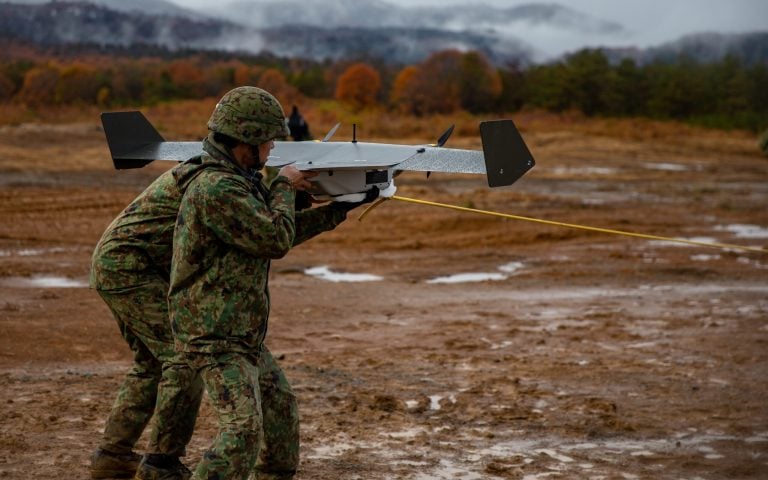
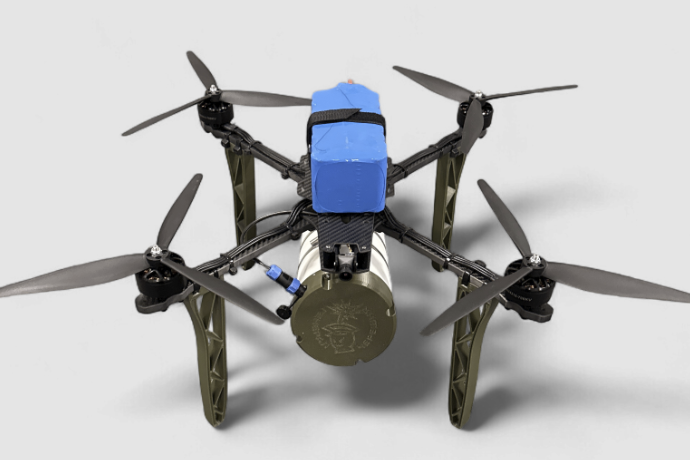
The Twister drone is designed to fulfill these objectives across all three branches of the German Armed Forces. It features an electrically powered system with a maximum takeoff weight of 3.8 kilograms (8.37 pounds), a maximum operating altitude of 3,800 meters (12,467 feet), and a reconnaissance range of 15 kilometers (9.32 miles). Additionally, it boasts a flight endurance of up to 90 minutes and is capable of vertical takeoff and landing, making it suitable for operations in environments where GPS is unavailable.
This development is part of a broader strategy to enhance military capabilities and adapt to modern technological demands in reconnaissance and surveillance operations.