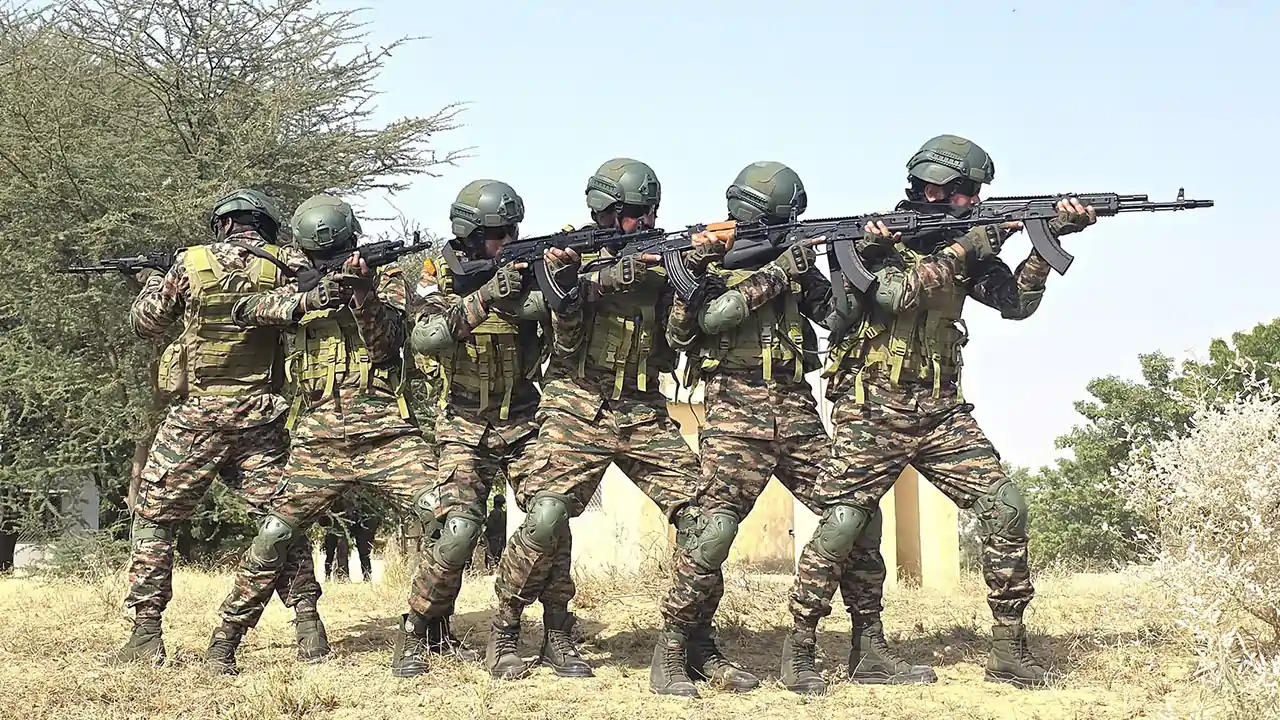
The Bhairav battalions, initiated in 2025, represent a transformative component of the Indian Army’s modernization strategy, with a targeted expansion plan that aims to establish 25 units. Presently, 15 battalions are either operational or in the process of formation, underscoring an urgent response to evolving military dynamics.
These battalions have been designed as a versatile intermediary between regular infantry and elite Para Special Forces, specializing in rapid cross-border operations, reconnaissance, and disruption missions. Each battalion consists of around 250 personnel, integrating members from air defense, artillery, and signals under the command of a colonel. The selection process emphasizes the “son of the soil” approach, particularly in regions like Rajasthan, which enhances adaptability to local terrains, cultures, and languages.
Training for Bhairav personnel is extensive and technologically advanced, focusing on drone operations and other modern warfare tools. The emphasis on drone-centric strategies is pivotal, with all operatives trained in deploying drones for targeted operations against enemy bases, thereby improving precision and intelligence gathering in hybrid conflict environments.
The battalions’ operational strategies focus on key border areas with China and Pakistan, allowing for enhanced military capabilities in hybrid warfare. By these means, the Bhairav units can conduct missions that free up traditional Special Forces for more strategic operations, positioning them as an agile offensive force capable of taking on diverse missions in various terrains.
With each unit comprising integrated forces from several military branches, Bhairav battalions are geared for complex engagements. They have been equipped with advanced technologies, including close-quarter battle carbines and Javelin anti-tank missiles, to enhance their combat effectiveness, particularly in urban and counter-terrorism scenarios.
The rapid formation of these units reflects a strategic response to emerging threats and military lessons from global conflicts, such as those witnessed in Ukraine and the Middle East, where the reliance on drones and hybrid tactics became increasingly prominent. The Bhairav battalions’ combat ethos is encapsulated in their war cry, “Raja Ramchandra ki Jai,” highlighting their connection to traditional values while embodying a modern military identity.
The structural interplay of Bhairav battalions within the Indian Army also indicates a shift towards a multi-domain warfare paradigm, integrating human resources and unmanned systems to address contemporary security challenges. As they prepare for their debut in the Army Day Parade, these battalions not only reinforce India’s military capabilities at its borders but also represent a paradigm shift in how military engagements are approached in the 21st century.
With deployments concentrated in high-threat environments and ongoing emphasis on technological advancements and operational readiness, the Bhairav battalions are poised to play a crucial role in securing and shaping India’s strategic interests amidst the complexities of modern warfare. The proactive measures taken to establish and operationalize these units signal a determined shift toward a more adaptable, technologically empowered military defense posture.