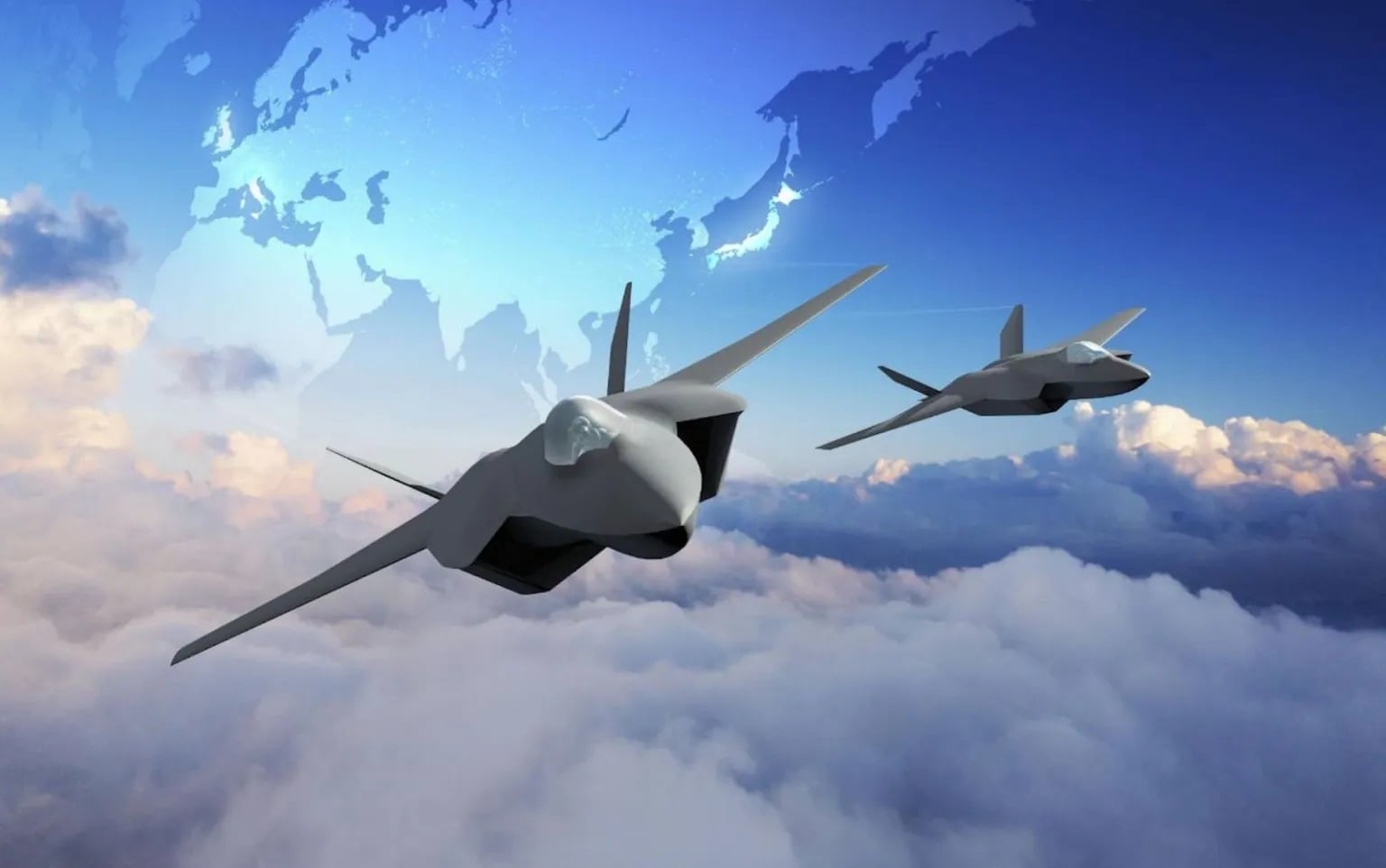
Japan has set a clear timeline for the deployment of a next-generation combat aircraft, confirming plans to introduce the new platform by the year 2035. This initiative is part of the trilateral Global Combat Air Program (GCAP) in collaboration with the United Kingdom and Italy.
The GCAP aims to develop a sixth-generation jet that will replace Japan’s aging fleet of Mitsubishi F-2 fighters within the Japan Air Self-Defense Force. It will also serve as a replacement for the Eurofighter Typhoons currently used by the Royal Air Force and the Italian Air Force. This cooperative project seeks to amalgamate the industrial and technological strengths of the participating nations, with key components of the aircraft and its systems being developed by industry leaders such as Mitsubishi Heavy Industries, BAE Systems, and Leonardo.
The announcement regarding the 2035 deployment was made following the 11th session of the Next-Generation Fighter System Development Promotion Committee, which is chaired by Vice Defense Minister Masahisa Miyazaki. In this meeting, officials reviewed the proposed budget for fiscal year 2026 dedicated to the fighter’s development and provided updates on the ongoing design and technology advancements.
Discussions during the committee meeting also included the integration of unmanned aerial systems that will operate alongside the fighter jet. This approach is intended to optimize combat capabilities, rather than purely focusing on independent operations.
A significant area of focus in this phase of the GCAP development is the aircraft’s propulsion system. Reports indicate that the design will feature high-temperature components, innovative thermal management systems, and parts produced through 3D printing technology. These advancements are aimed at enhancing performance while also reducing maintenance costs, making the aircraft more sustainable in the long run.
Defense officials have emphasized the importance of a cutting-edge propulsion system in supporting not just flight performance, but also enhancing advanced sensors, electronic warfare capabilities, and future weapon systems. This holistic approach aims to ensure that the new jet remains competitive and effective in the rapidly evolving landscape of modern air combat.