Lockheed Martin is taking significant steps to enhance its manufacturing capabilities by partnering with Hadrian, a company focused on advancing defense production. This collaboration, formalized through a memorandum of understanding, aims to bolster the supply chain and ramp up the production of essential missile components, thereby making US defense production more resilient and scalable.
As part of this initiative, Hadrian will implement its factory-as-a-service model at a Lockheed Martin site dedicated to Missiles and Fire Control. The facility will feature a sophisticated machining and inspection cell that includes computer numerical control (CNC) machines and advanced robotics. Additionally, Hadrian’s manufacturing execution platform will be integrated, facilitating a more efficient production process.
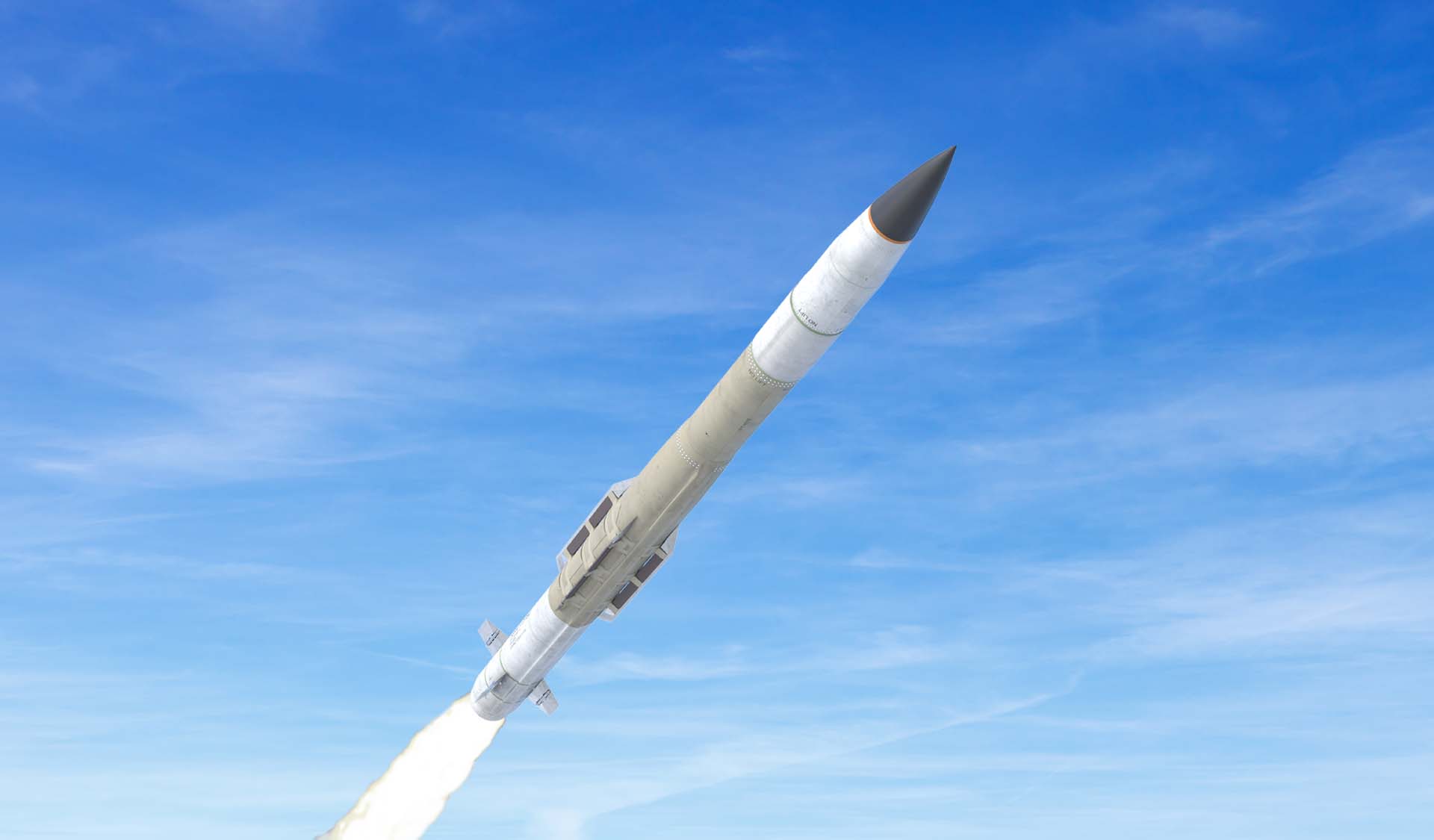
This enhanced setup is specifically designed to rapidly increase the production of crucial parts for a variety of missile systems, including the PAC-3 MSE, Terminal High Altitude Area Defense systems, Precision Strike Missiles, and the Guided Multiple Launch Rocket System. The ability to scale up production quickly will allow Lockheed Martin to respond more effectively to growing demand in the defense sector.
Tom Carrubba, vice president of production operations at Lockheed Martin Missiles and Fire Control, emphasized the importance of the collaboration, stating that it serves as “a key enabler” in strengthening supply chains and expanding output capacity.
Hadrian, based in Los Angeles, has recently made headlines by securing $260 million in funding aimed at expanding its AI-powered manufacturing capabilities in Arizona and California. This investment further underscores the critical role that technology plays in modern manufacturing processes.
Lockheed Martin’s broader strategy to enhance its manufacturing operations has been evident in recent years. Alongside partnerships like the one with Hadrian, the company has been investing heavily in digital engineering, additive manufacturing, and automated assembly lines across multiple facilities. Upgrades to production facilities for the Terminal High Altitude Area Defense (THAAD) and PAC-3 MSE systems have been particularly focused on creating modular, scalable production cells. These innovations aim to ensure that the company can respond efficiently to sudden surges in demand.
Furthermore, Lockheed Martin has been working to reduce bottlenecks in component supply by expanding partnerships with smaller, specialized suppliers. This approach aligns with broader trends in the defense industry, where integrating automation and flexible manufacturing practices has become increasingly essential for meeting the operational needs of the US Army, Missile Defense Agency, and allied nations.