



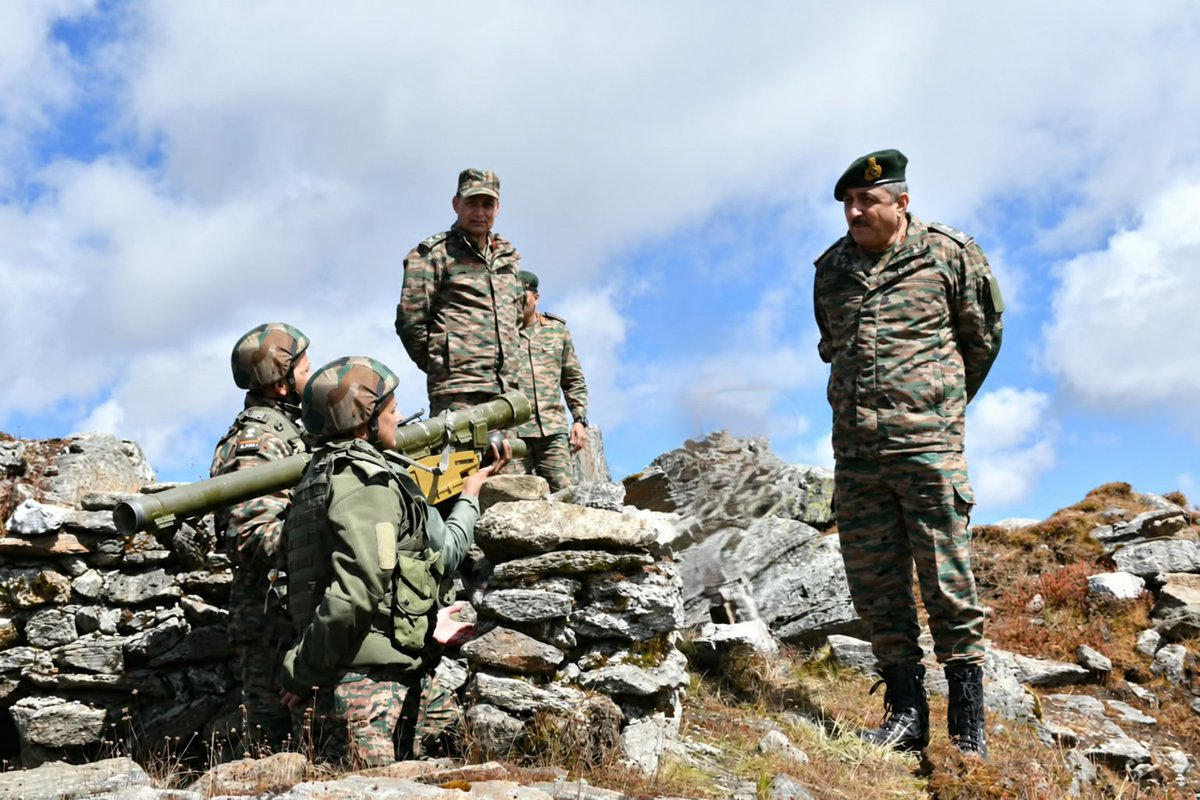
Lieutenant General Man Raj Singh Mann, General Officer Commanding (GOC) of the Indian Army’s Trishakti Corps, observed combat training in East Sikkim on October 16, 2026, during a visit to soldiers training in difficult high-altitude terrain.
The exercises were aimed at improving operational preparedness, sharpening battlefield coordination and building the endurance needed for effective performance in mountainous conditions. The source says the drills were structured to strengthen tactical proficiency, teamwork and readiness for operational challenges.
Lt Gen Mann watched troops work through realistic scenarios meant to test combat skills under demanding field conditions. The training also placed emphasis on practical application, with soldiers being assessed on how well they could respond to changing situations on the ground.
A notable feature of the visit was the integration of emerging technologies into combat training. The exercises highlighted technology-enabled warfare, coordination among troops and the need for quick responses to evolving battlefield situations.
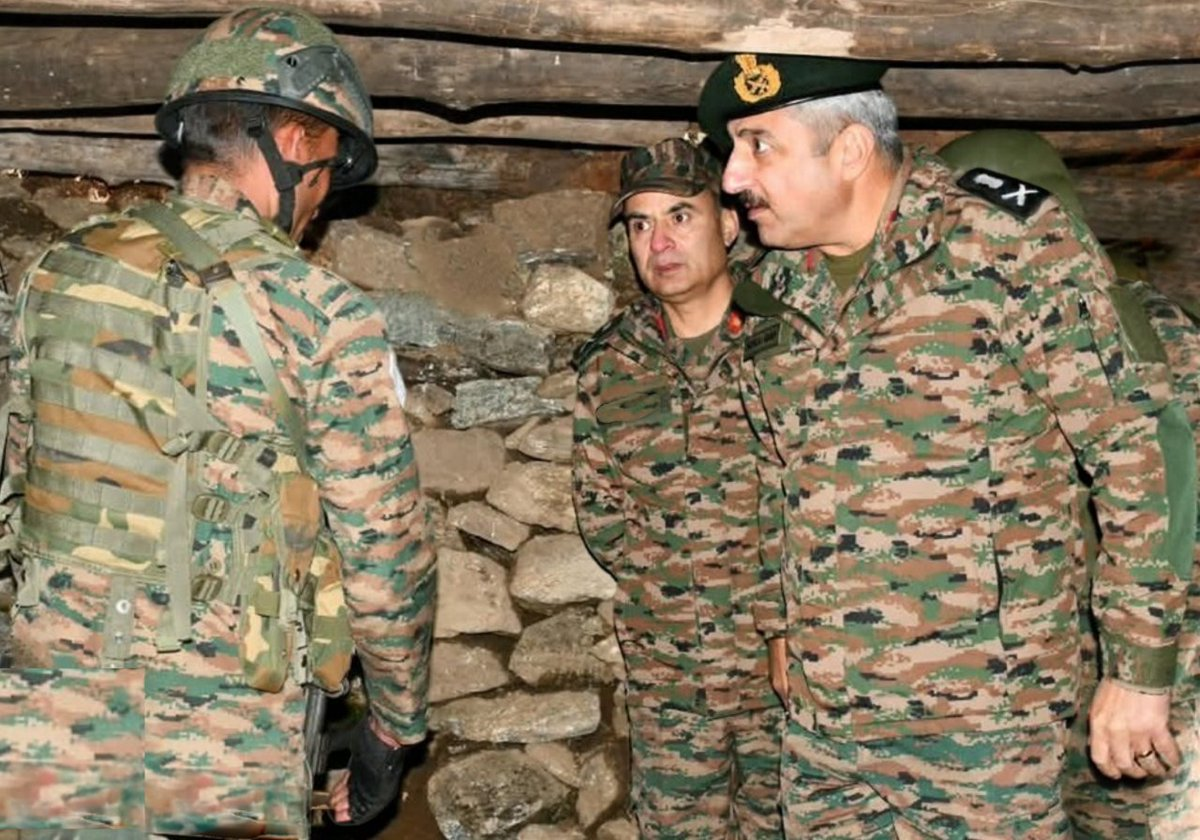
The training in East Sikkim also examined the physical and mental resilience of soldiers operating at high altitude, where severe weather and rugged terrain require strong endurance, adaptability and discipline. These conditions are part of the broader challenge of maintaining readiness in the Himalayan region.
Lt Gen Man Raj Singh Mann praised the participating soldiers for their professionalism, discipline, resilience and high standards of training. He also appreciated their commitment to maintaining operational readiness in one of the country’s strategically significant border regions.
The Trishakti Corps is officially designated XXXIII Corps and is headquartered at Sukna near Siliguri in West Bengal. According to the source, the formation has a key role in safeguarding India’s eastern Himalayan frontiers, including strategically important areas along the India-China border in Sikkim.
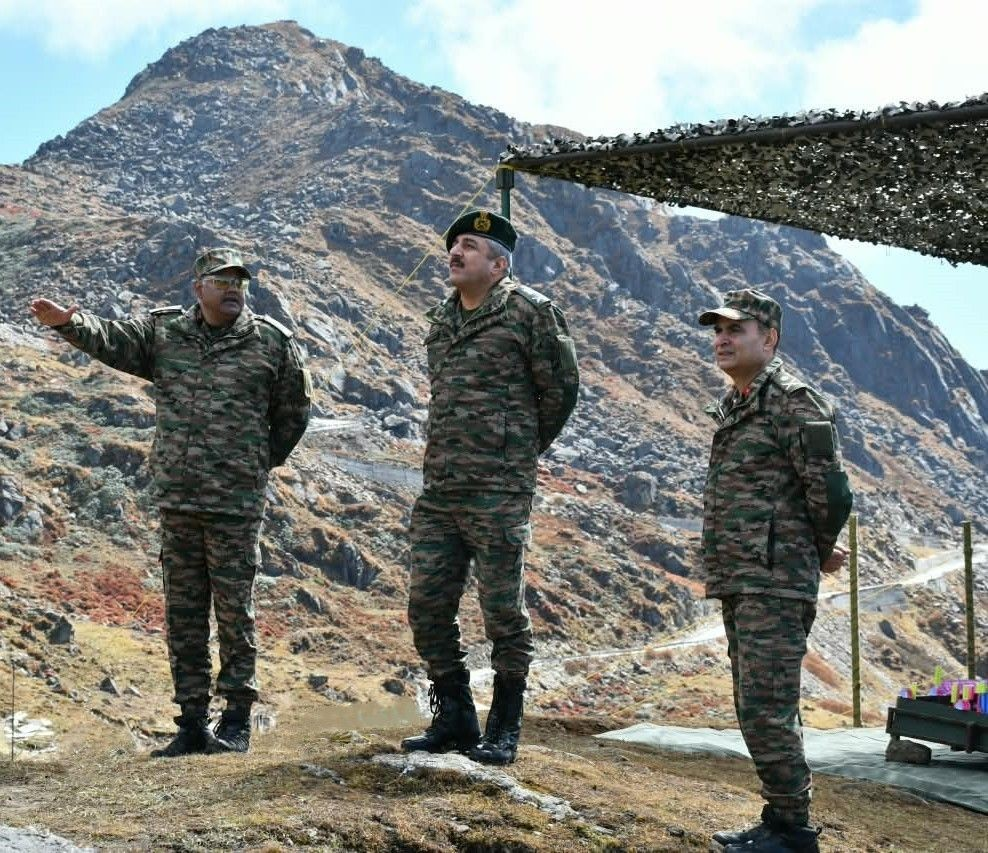
The visit reflected the Indian Army’s continued focus on realistic combat preparation, technological integration and maintaining a high state of operational readiness. The source links these training priorities to emerging security challenges in the Himalayan region.