




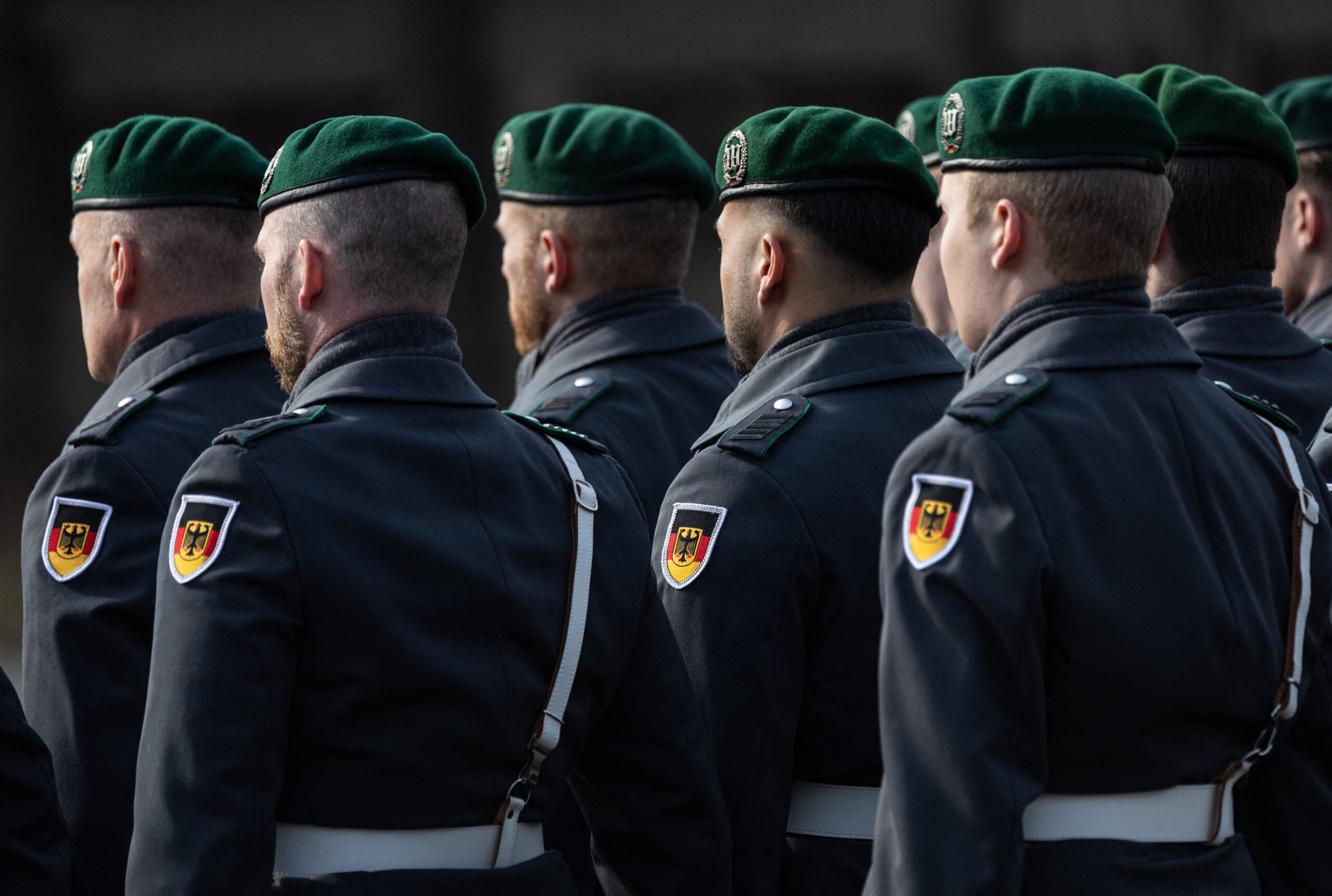
A recent survey has highlighted significant concerns among the German population regarding the country’s military readiness. Conducted by the German research institute Insa for Bild am Sonntag, the poll surveyed 1,005 individuals earlier this month and revealed a widespread lack of confidence in the Bundeswehr’s capability to defend against potential threats.
The findings indicate that only 17 percent of respondents believe that Germany’s armed forces are sufficiently equipped to defend the nation effectively. In stark contrast, a substantial 72 percent expressed skepticism about the military’s current ability to respond to a direct attack. This sentiment reflects ongoing anxieties about national security, particularly in light of geopolitical tensions in Europe.
The survey also revealed that 38 percent of respondents harbor concerns over the possibility of a Russian attack, while 50 percent stated they do not share such worries. However, there is a marked apprehension about other forms of threats, with nearly two-thirds of those surveyed indicating that they are uneasy about cyberattacks, sabotage, or disinformation campaigns disrupting everyday life in Germany. Only just over 20 percent of respondents reported feeling unconcerned about these issues.
This polling comes at a critical time as Berlin is enhancing defense and civil preparedness measures amid ongoing security worries linked to Russia’s invasion of Ukraine and the broader implications for military stability in Europe. In response to these concerns, Germany is reportedly gearing up for a substantial civil defense initiative, which entails a 10-billion-euro (approximately $11.6 billion) package aimed at bolstering shelter infrastructure, strengthening emergency response capabilities, and improving overall wartime readiness.
In tandem with civil defense efforts, Germany is also making significant strides in military spending. Plans indicate an investment of 377 billion euros (around $438 billion) dedicated to future military acquisitions. This will encompass a broad range of procurement initiatives, from immediate purchases to longer-term modernization projects.
These efforts align with the European Union’s ReArm Europe/Readiness 2030 initiative, which seeks to mobilize over 800 billion euros (approximately $919 billion) in defense spending across member states. As Germany takes proactive steps to enhance its military capabilities and civil preparedness, the public’s skepticism may serve as a critical focal point for future discussions on national defense strategies and policies.


