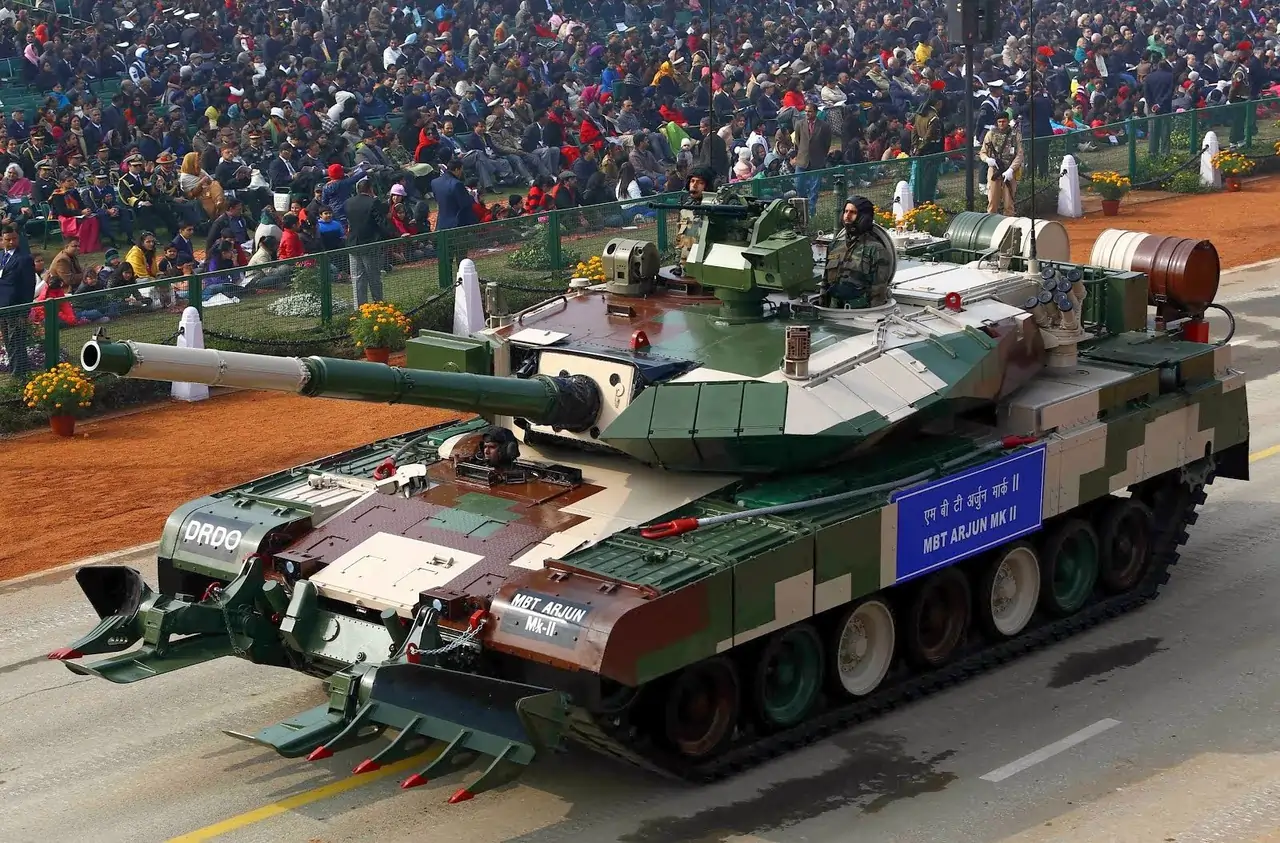
The Parliamentary Standing Committee on Defence has expressed strong support for the Defence Research and Development Organisation (DRDO), recognizing its significant strides in deep-technology research. The committee urged the Ministry of Defence to ensure the complete utilization of the budgetary funds that have been allocated for defence advancements.
Under the leadership of BJP MP Radha Mohan Singh, the committee lauded various DRDO initiatives across pioneering fields, notably in advanced materials, hypersonic technologies, unmanned aerial vehicles (UAVs), drones, directed energy weapons, lasers, and artificial intelligence. The focus on artificial intelligence, cognitive technologies, quantum technologies, neuromorphic computing, military cyber technologies, and compound semiconductors was highlighted as vital for enhancing India’s long-term defence capabilities.
In response, the Ministry of Defence reassured the committee of sufficient budgetary support for both the DRDO and the armed forces. For the current financial year, DRDO has been allocated ₹26,816 crore, which includes an additional ₹500 crore specifically for the Technology Development Fund (TDF) aimed at expediting deep-tech and innovative projects. A notable adjustment within this funding is the increase of the TDF ceiling from ₹10 crore to ₹50 crore for individual projects, facilitating larger-scale transformative initiatives.
Over the past three years, the TDF has approved 12 projects valued at ₹23.61 crore, targeting areas such as quantum computing, AI, and robotics. This initiative has encouraged collaboration with the private sector, enhancing India’s defence research capabilities. Additionally, the DRDO has established 15 DRDO Industry Academia Centres of Excellence (DIA-CoEs) at leading institutions like IITs and IISc, driving research across 82 specialized verticals that are aligned with future defence requirements. Grants totaling ₹1,037.48 crore have been allocated to support 285 projects, with a view to developing a robust domestic defence research and development ecosystem.
For the current financial year, the TDF Directorate plans to allocate around ₹60 crore for deep-tech initiatives, as well as for intelligence, surveillance, and reconnaissance (ISR) projects assigned to Indian industries. This reflects a commitment to reinforcing self-reliance under the Atmanirbhar Bharat initiative.
The committee’s recommendations come in light of escalating geopolitical tensions, underscoring the importance of advancements in hypersonics, AI-driven systems, quantum technology, and directed energy weapons for India’s strategic deterrence. By advocating for the thorough utilization of funds, the panel aims to mitigate potential delays in crucial R&D projects and ensure that every rupee spent enhances operational and technological capabilities.
The expansions of the TDF and DIA-CoE initiatives indicate a more mature approach to defence innovation, merging public funding with academic and industry partnerships. Sustained financial support and collaborative efforts are anticipated to position India as a global leader in deep-tech defence, ultimately reducing reliance on imports and improving operational readiness across all branches of the armed services.