




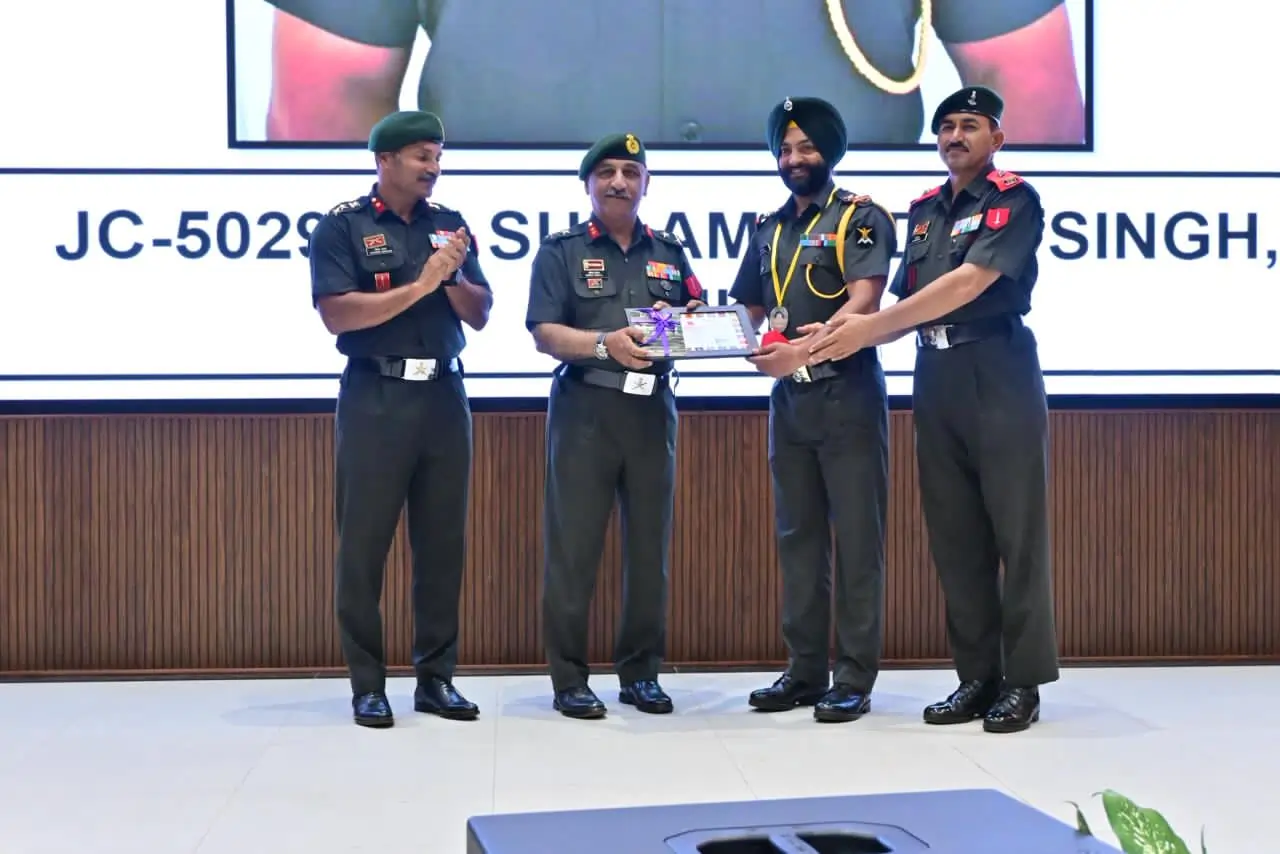
The Platoon Commanders’ Course at the Junior Leaders Wing (JLW) in Belagavi concluded on 16 June 2026, showcasing the culmination of an intensive program focused on leadership and professional military training for junior leaders. This session highlighted the commitment to fostering a skilled and capable military personnel base.
The course featured participation from the Indian Army alongside 17 military students from various friendly nations, including Sri Lanka, Nepal, and Bhutan. This diversity within the course underscores the growing importance of international military cooperation and exchange of knowledge among the armed forces in the region.
The valedictory function was graced by Major General Rakesh Manocha, SM, VSM, Commander of the Junior Leaders Wing. In his closing address, he lauded the participants for their dedication and successful completion of the rigorous training, which aims to prepare junior leaders for effective troop command in varied operational scenarios.
During the celebrations, exceptional achievements among the attendees were recognized. Subedar Amrinder Singh of the Sikh Regiment was awarded the title of Best Student of the course for demonstrating superior performance, leadership qualities, and professional competence. Meanwhile, Sergeant Sujan Ghimire from the Nepal Army earned the Best Foreign Student trophy, reflecting his remarkable dedication and performance throughout the training.
The course is strategically designed to enhance critical leadership skills, tactical proficiency, and decision-making capabilities, equipping junior leaders with the tools necessary to lead troops effectively under various conditions. The inclusion of military personnel from allied countries not only reinforces defense cooperation but also strengthens mutual understanding and fosters professional relationships among the armed forces of India and its partners.
The successful conclusion of the Platoon Commanders’ Course reaffirms the Junior Leaders Wing’s ongoing commitment to cultivating competent and confident military leaders, while simultaneously promoting international military engagement and a high standard of professional training. This initiative not only prepares individuals for the complexities of modern warfare but also contributes to a collaborative approach to regional security dynamics.


