




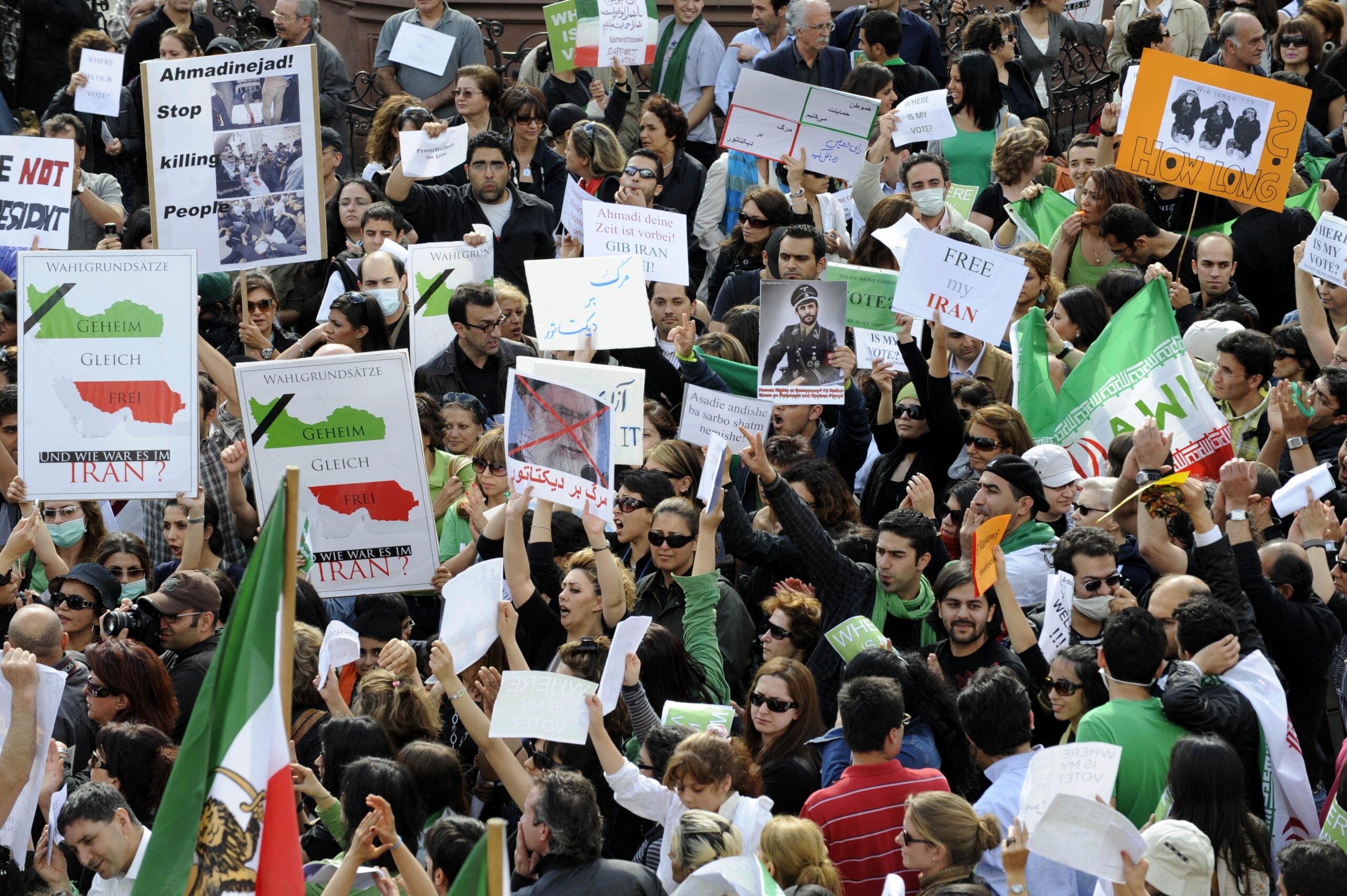
Dozens of protesters gathered outside the foreign ministry office in Mashhad, Iran, on Saturday, expressing their dissatisfaction with top diplomat Abbas Araghchi. The demonstration occurred following a televised interview in which Araghchi discussed a potential peace agreement with the United States, leading to heated reactions from segments within Iranian society.
In footage circulated by Fars News Agency, women clad in black chadors were heard chanting slogans such as “death to dishonourable Araghchi, the infiltrator,” while waving red and black flags. This demonstration reflects a growing apprehension among hardline figures in Iran, who vehemently oppose the proposed peace deal, arguing that it undermines the nation’s interests.
Critics of the agreement voiced concerns that it would diminish Iran’s influence over the strategically critical Strait of Hormuz, a vital waterway through which a significant portion of the world’s oil passes. They claim the Iranian negotiating team has made excessive concessions to facilitate the deal, weakening the nation’s bargaining position.
During his interview with state television, Araghchi elaborated on the terms being discussed, indicating that the deal would entail the lifting of the U.S. naval blockade on Iranian ports. This blockade was originally implemented in retaliation to Iran’s own maritime restrictions in the Strait of Hormuz. He asserted that the administration and control of the Strait would no longer be the same, referring to it as one of Iran’s “main instruments of deterrence.”
In addition to the protests in Mashhad, other videos circulating on social media—though not independently verified—showed similar sentiments voiced by crowds near the foreign ministry building in Tehran, where protesters chanted calls for both Araghchi and parliament speaker Mohammad Bagher Ghalibaf to resign.
While U.S. President Donald Trump and Pakistani officials indicated that a deal to conclude the ongoing war could be finalized as soon as Sunday, Iranian officials appeared more cautious regarding the timeline, reflecting the internal divisions over the proposed agreement.


