




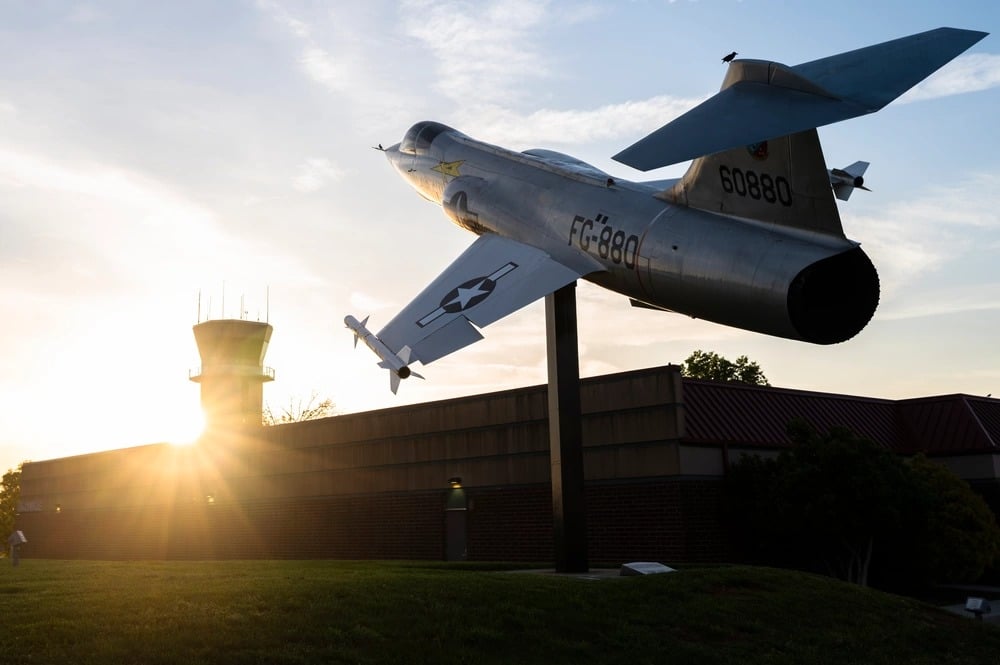
Starfighters Space is making significant strides in the field of aerospace and defense technology with the introduction of a new platform aimed at testing hypersonic systems. The company has unveiled plans for a “Wind Tunnel in the Sky,” a reusable underwing platform designed to provide emerging technologies with enhanced exposure to sustained high-speed flight conditions, specifically targeting Mach 2 and above.
This innovative approach seeks to replicate laboratory testing environments that have traditionally been conducted on the ground, allowing for a more practical and effective assessment of how advanced systems perform under real-world conditions. By enabling flight tests at such high speeds, the platform could prove essential for military forces, government agencies, and defense contractors looking to evaluate the durability and reliability of their technologies when subjected to the extreme stresses of high-speed operations.
The development of this flying testbed not only promises to accelerate the testing process, but it could also lead to better performance and safety measurements for next-generation hypersonic systems. As nations look to expand their capabilities in aerospace and defense, advancements like those being pursued by Starfighters Space play a crucial role in maintaining a competitive edge.
The potential applications of the “Wind Tunnel in the Sky” extend beyond military uses; they could influence various sectors within the commercial aerospace industry as well, paving the way for new innovations in passenger and cargo flight technologies. As testing methods evolve, the results gathered from the reusable platform could significantly impact future design and engineering processes across the aerospace sector.
As the demand for rapid advancements in defense technology intensifies, the introduction of this unique flight testing platform marks a notable advancement in how the defense industry can accelerate the development and deployment of hypersonic technologies. The implications of successful testing in this arena could be profound, fundamentally reshaping our understanding of flight capabilities and the future of aerospace defense.


