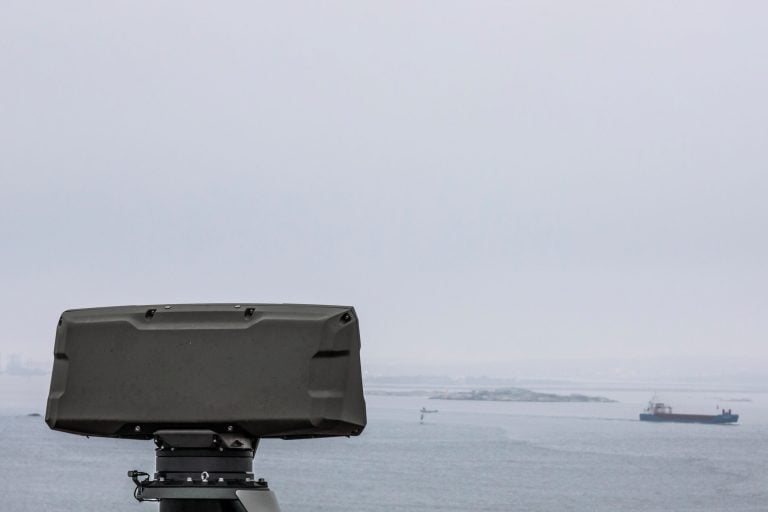
Sweden has bolstered Latvia’s air defense capabilities with the delivery of Giraffe 1X air-surveillance radars, enhancing the nation’s capacity to detect and track aerial threats. The Saab-developed radar system is already being utilized by the Latvian Armed Forces, having been first deployed by the air force during the recent Baltic Zenith 2023 exercises.
In a move to further augment its surveillance capabilities, Latvia formalized an additional contract for more Giraffe 1X units in December 2024. This equipment provides Latvia with advanced tools to identify and neutralize potential threats swiftly. Latvian Minister of Defense Andris Sprūds emphasized the importance of these new radars, stating, “The additional ‘Giraffe’ 1X radars we are receiving today significantly strengthen our ability to identify and neutralize airspace threats in a timely manner.” He praised the modern and reliable technology, highlighting its demonstrated effectiveness in joint exercises alongside allies.
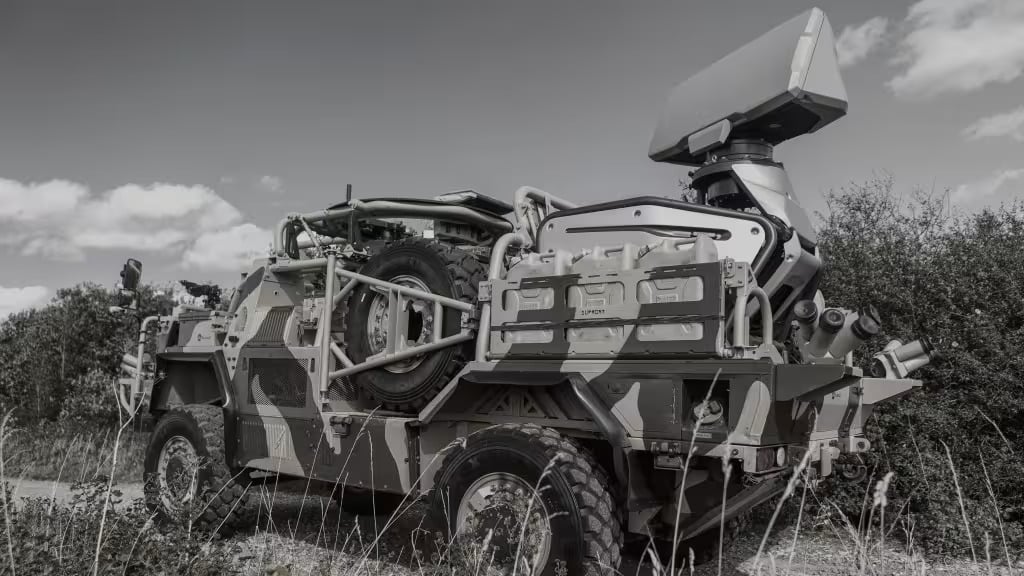
The Giraffe 1X radar is a mobile system capable of identifying a wide range of threats, including incoming missiles, hostile drones, rockets, and mortars, at impressive distances. It boasts a detection range of up to 400 kilometers (248 miles) and is designed to provide high-quality targeting data that integrates seamlessly with command-and-control systems.
Notably, the radar system is lightweight, weighing less than 150 kilograms (330 pounds), which facilitates rapid deployment. It is versatile in its application, allowing installation on vehicles, ships, or fixed positions. Its mobile configuration enables a two-person team to set it up within 10 minutes and dismantle it in under five. Additionally, the system is designed for efficient transportation aboard various military aircraft, including C-130, A400M, and C-17, as well as being compatible with standard container-handling systems.
This delivery marks a significant step in enhancing Latvia’s national security and the broader stability of the region, reaffirming the nation’s commitment to safeguarding its airspace against potential threats.