Thailand has reported its first civilian casualty in the ongoing conflict with Cambodia, marking a grim escalation in a week filled with violence that has led to significant displacement across the region. The announcement came amidst mounting international pressure to resolve the tensions that have now forced approximately 800,000 people from their homes.
The violence stems from a lingering dispute over colonial-era border demarcations between the two Southeast Asian nations, with the conflict entering a perilous phase. The latest casualty, a Thai civilian in Sisaket province, was reportedly killed by shrapnel from rockets fired by Cambodian forces into civilian areas, according to health ministry spokesman Ekachai Piensriwatchara.
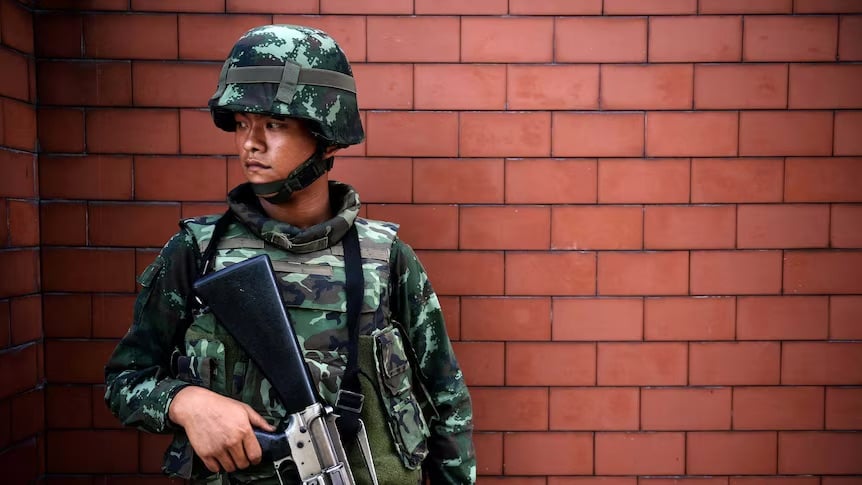
The Thai military’s confirmation of this death underscores the tragic toll of the conflict, which has already claimed at least 27 lives, including 15 Thai soldiers and 11 Cambodian civilians. The situation has been described as dire by many affected residents, such as Sean Leap, a 63-year-old evacuee who expressed his sorrow and desire for the conflict to cease. At least nine additional civilian deaths unrelated to combat have been reported as evacuees faced harsh conditions.
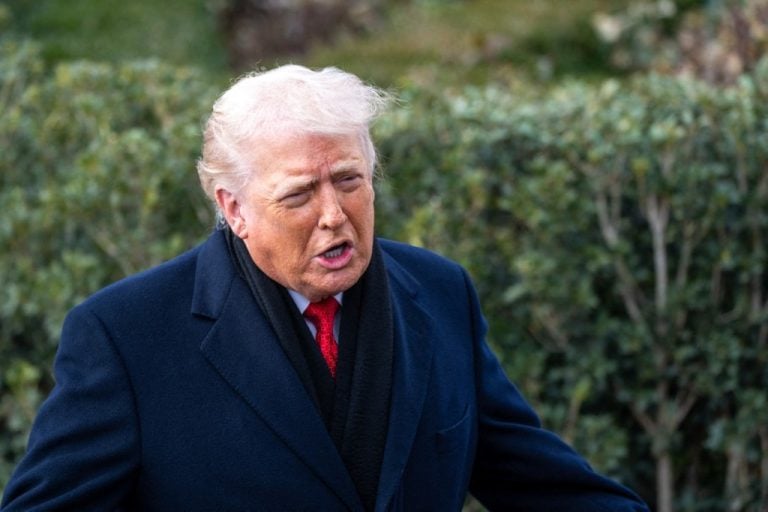
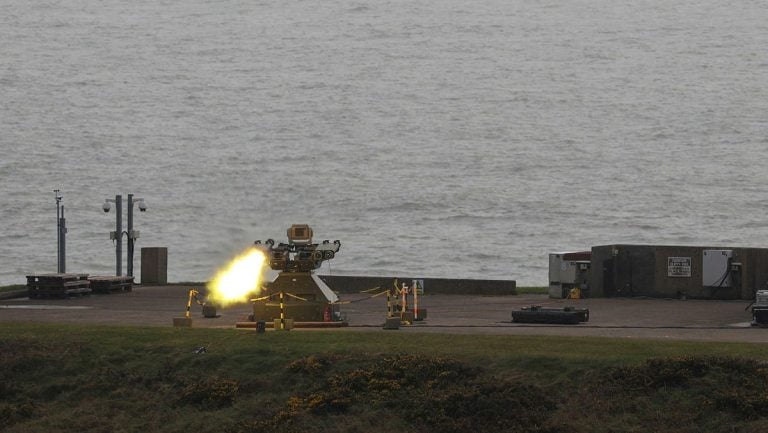
Despite U.S. President Donald Trump’s earlier claims of reaching a truce between the two nations, Thai officials firmly denied that any ceasefire agreement had been made. Following Trump’s statements, they reported ongoing clashes, with Thai defence ministry spokesman Surasant Kongsiri detailing Cambodian artillery attacks on Thailand’s border provinces.
In a swift response to the continued violence and the breakdown of potential negotiations, Cambodia took the extraordinary measure of closing its border crossings with Thailand. This decision has left many migrant workers stranded and affected family reunifications. One such worker, Cheav Sokun, shared her experience of being separated from her husband, who remained in Thailand due to work obligations, highlighting the personal toll of the conflict.
The background of the dispute includes a previously brokered ceasefire involving the United States, China, and Malaysia, which had been temporarily successful but ultimately fell apart. Trump had previously supported an agreement aimed at securing trade benefits for both countries, but that momentum seems to have stalled following renewed hostilities.
With the situation remaining volatile, both governments continue to navigate a complex interplay of military action, political negotiations, and humanitarian crises, as international observers watch closely for any signs of a resolution. The urgency of the conflict, underscored by the tragic loss of life and vast displacement, calls for immediate attention and concerted diplomatic efforts to restore peace in the region.