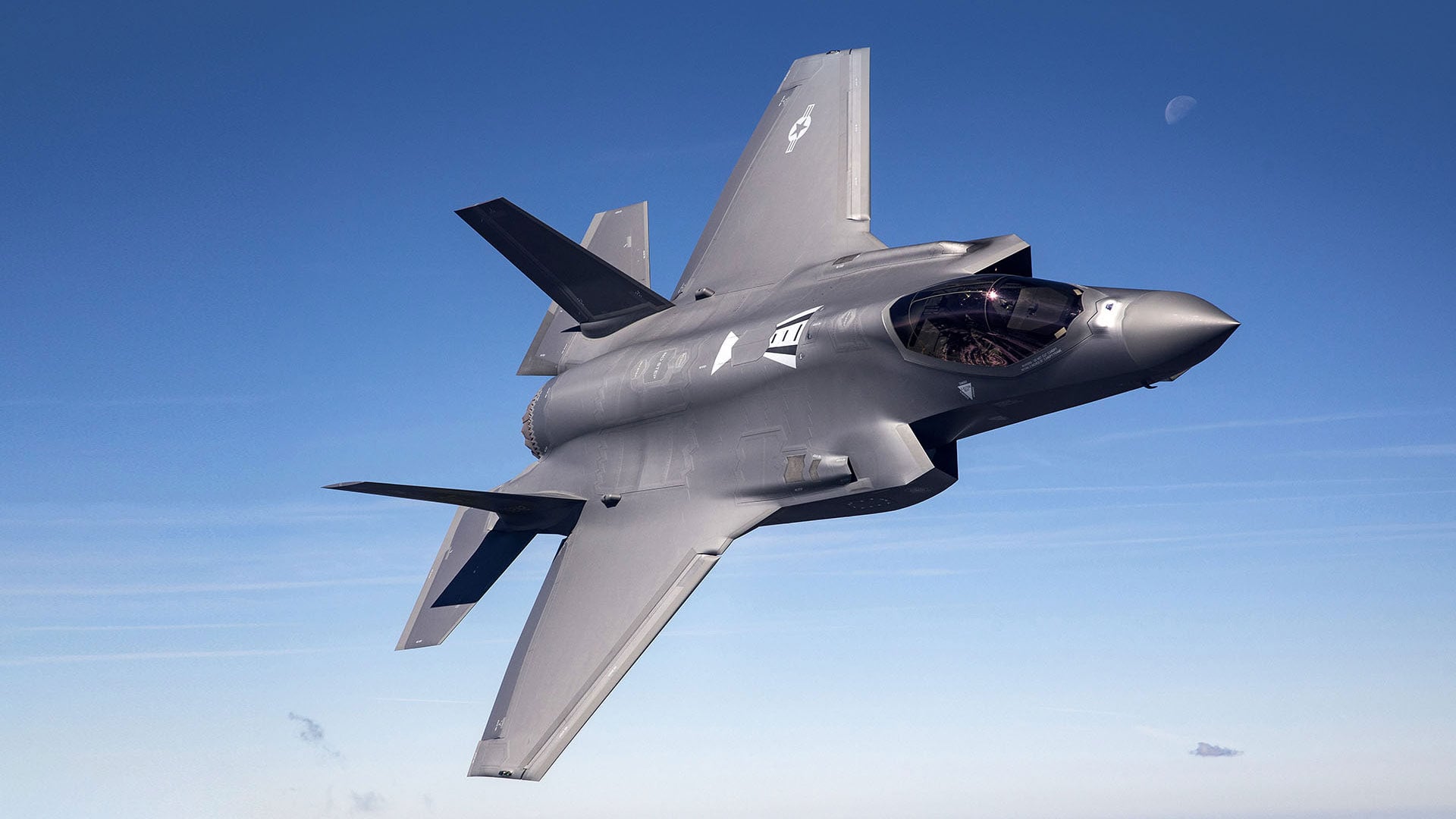
During a recent meeting with Israeli Prime Minister Benjamin Netanyahu, U.S. President Donald Trump indicated that he is seriously contemplating the sale of advanced F-35 fighter jets to Turkey. This discussion unfolded at Trump’s resort in Florida, raising eyebrows given Netanyahu’s firm opposition to the potential deal.
Trump remarked, “We’re thinking about it very seriously,” when asked about the prospects of an F-35 transaction for Turkey. This comes on the heels of Turkey being ejected from the F-35 development program in 2019, a consequence of its decision to procure a Russian missile defense system—a move perceived as a significant breach of trust within NATO.
Despite Israel’s concerns regarding the sale, Trump maintains a warm rapport with Turkish President Recep Tayyip Erdogan. This relationship persists even as Erdogan has been vocal in condemning Israel’s military actions in Gaza. Israeli officials are wary, arguing that equipping Turkey with F-35s could enhance its military capabilities amid ongoing tensions, particularly regarding the humanitarian crisis in Syria, which borders both Israel and Turkey.
When questioned about the potential for conflict between the two nations, Trump downplayed the risks, referring to Erdogan as “a very good friend” and assuring that “we’re not going to have a problem.” He expressed confidence that “nothing’s going to happen” between Israel and Turkey.
Previously, during his first term, Trump authorized the sale of F-35s to the United Arab Emirates, following their recognition of Israel. More recently, he has shown support for similar sales to Saudi Arabia, even as traditional U.S. policy emphasizes maintaining Israel’s qualitative military advantage in the region. This shift raises questions about the future dynamics of military relationships in the Middle East, especially among key U.S. allies.