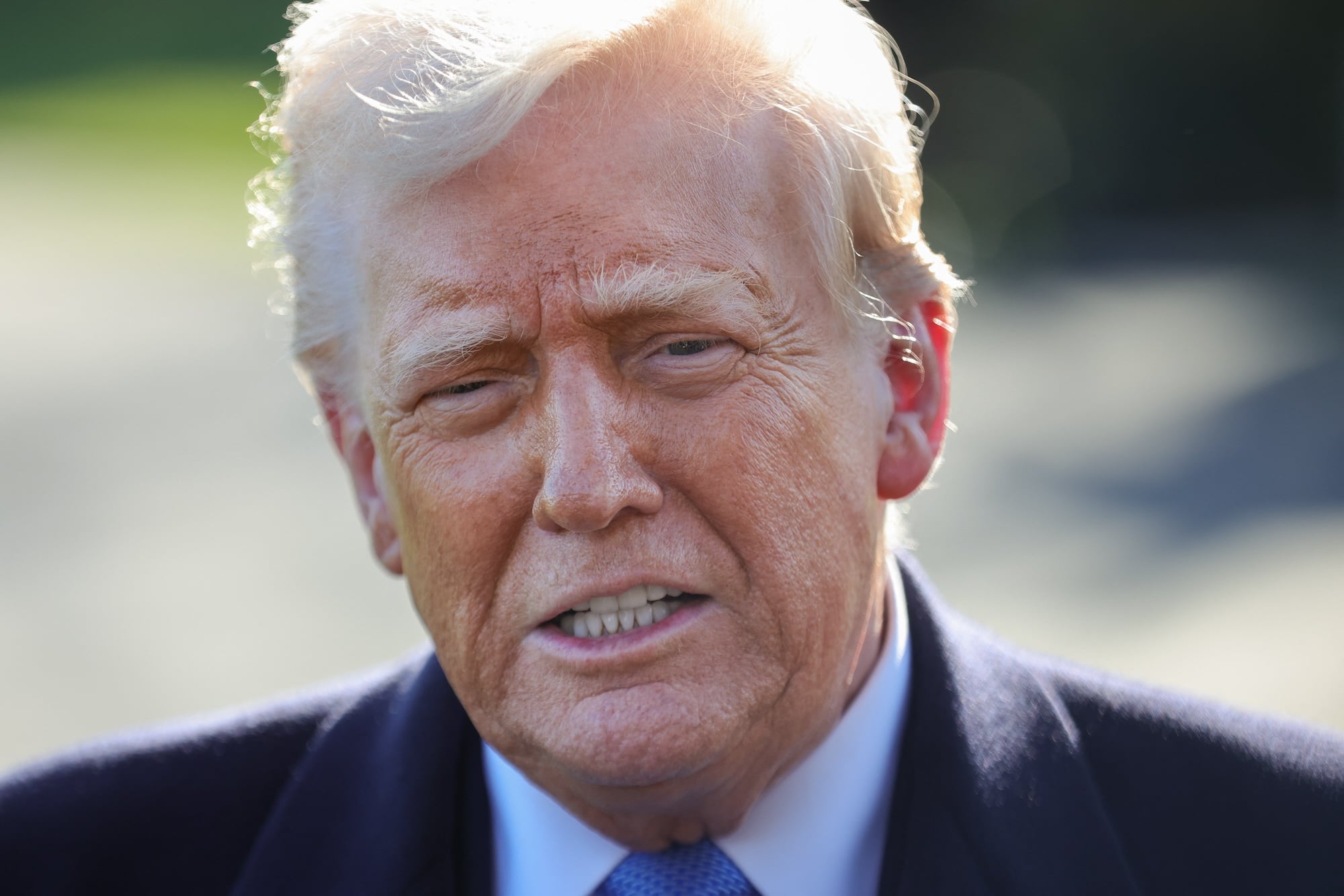
US President Donald Trump has raised the possibility of military action against Venezuela, as tensions escalate between the two nations. In an interview with NBC News, Trump stated, “I don’t rule it out, no,” when asked about the potential for war with Venezuela. His comments come after he hinted earlier that Venezuelan President Nicolás Maduro’s leadership is nearing its end.
While Trump refrained from explicitly stating his desire to remove Maduro from power, he noted, “He knows exactly what I want. He knows better than anybody.” This statement reflects the administration’s ongoing stance against Maduro, who has been a focal point of US foreign policy in recent years.
Senator Marco Rubio, Trump’s top diplomat, echoed this sentiment during a two-hour press conference at the State Department, where he addressed the situation in both English and Spanish. Although he avoided a direct answer regarding plans to overthrow Maduro, he affirmed that the status quo under the Venezuelan regime is “intolerable for the United States.” Rubio declared, “So yes, our goal is to change that dynamic, and that’s why the president is doing what he’s doing.”
Rubio has pushed for a tougher approach to Venezuela, especially after Trump initially suggested a more transactional relationship with Maduro. Despite his hardline stance, Rubio did not entirely dismiss the possibility of future negotiations with the Maduro government.
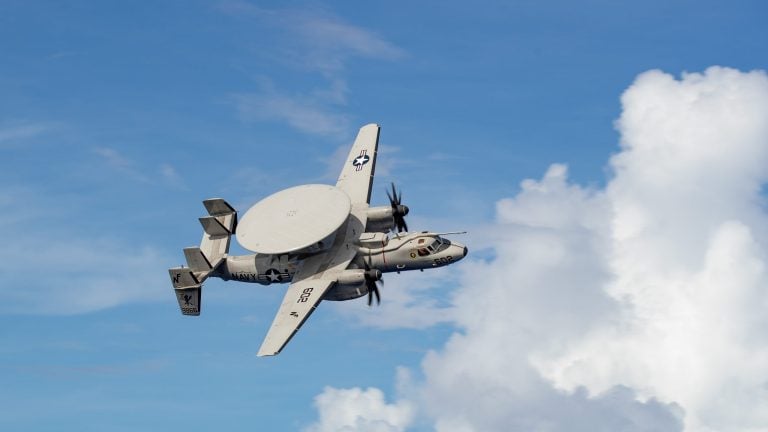
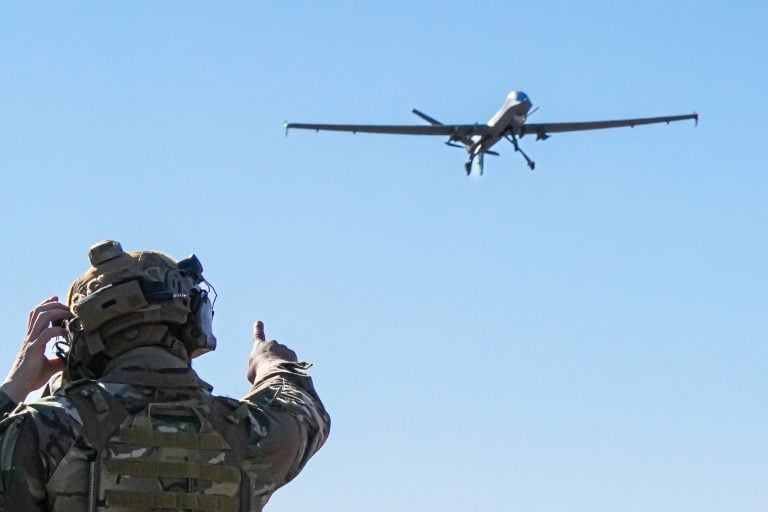
Trump emphasized the military presence in the region, claiming that Venezuela is “completely surrounded by the largest Armada ever assembled in the History of South America.” He reiterated the United States’ determination to prevent Venezuela from exporting its oil, which he linked to the enforcement of sanctions that the US has imposed unilaterally.
Rubio reinforced this commitment, stating, “There’s nothing that’s going to impede our ability to enforce US law when it comes to sanctions.” The Trump administration has recently imposed additional sanctions targeting several individuals associated with Maduro’s family.
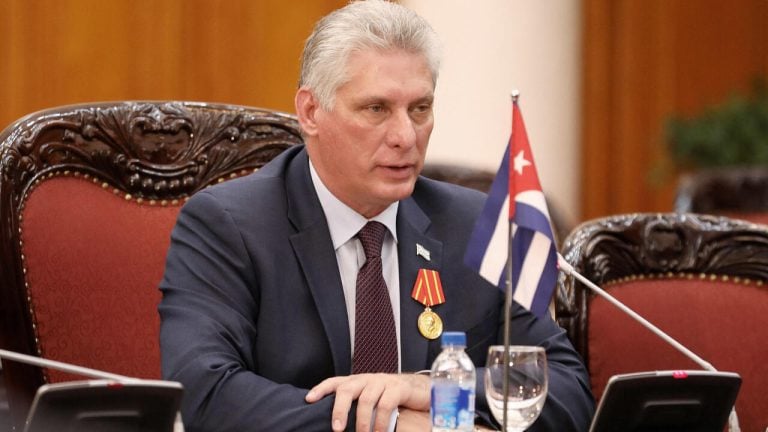
Venezuela, which boasts the world’s largest proven oil reserves, has pledged to safeguard its shipping routes. The oil sector is crucial not only for Venezuela’s economy but also serves as a vital resource for Cuba, which relies on Venezuelan oil.
While escalating tensions have led to sanctions, the Trump administration has avoided seeking formal congressional approval for military action. Rubio mentioned, “I can tell you that to this point, nothing has happened that requires us to notify Congress or get congressional approval or cross the threshold in the war.” Notably, a recent vote in the House of Representatives rejected an attempt to limit Trump’s ability to attack Venezuela without such approval.
Public opinion appears to reflect reluctance for military intervention in Venezuela. A Quinnipiac poll conducted this month indicated that 63 percent of US voters oppose military action, with only 25 percent supporting it.
Despite Trump’s consistent criticism of past US interventionism, his administration has asserted military deployments are necessary to combat drug trafficking, leading to incidents that some lawmakers have condemned as potential war crimes. As the situation continues to unfold, it remains to be seen how the United States will navigate its strategy toward Venezuela amidst rising tensions and domestic sentiment.