The ongoing conflict in Ukraine has reached a perplexing state, transitioning from dynamic front lines to a stalemate. With military confrontations becoming less fluid, the real battleground has shifted to conference rooms from Geneva to Brussels, where significant discussions are taking place regarding the immobilized Russian sovereign reserves, estimated between 176 and 185 billion euros, frozen across Europe and other locations.
These assets, once emblematic of Western resolve, have now morphed into contentious points of debate that threaten the unity of the coalition supporting Ukraine. The clash over control of these funds—a dilemma of whether to use them as diplomatic leverage or as reparations—underscores a widening rift that could fracture the alliance vital to Ukraine’s defense since the onset of the war in 2022.
At the heart of the dispute lies a profound philosophical divide. In Washington, driven by a tradition of deal-making and a political necessity to demonstrate fiscal accountability, there is a perspective that views the frozen reserves as tools for negotiation. Redirecting a substantial portion of these funds into a U.S.-led reconstruction initiative could simultaneously mitigate the financial commitment America has made and provide a narrative that reassures skeptical voters, particularly Republicans. This perspective prioritizes pragmatic outcomes, even if it means negotiating principles, ultimately aiming to bring an end to the conflict on favorable terms.
Conversely, European leaders—particularly those in Germany, France, and the Baltic states—take a more principled stance influenced by historical experiences with warfare and Russian aggression. They oppose the notion of leveraging sovereign assets as bargaining chips, fearing that this action would send a dangerous message to potential aggressors. Estonian Prime Minister Kaja Kallas starkly articulated this view, asserting that unconditionally releasing funds without securing robust reparations would make future conflicts appear manageable and risk-averse.
Earlier efforts by Europe to utilize both windfall profits and the principal of frozen assets to establish a reparations loan were dashed when the European Central Bank declined to act as a financial backstop. This setback highlighted the dilemma of maintaining solidity in principles while lacking immediate financial recourse.
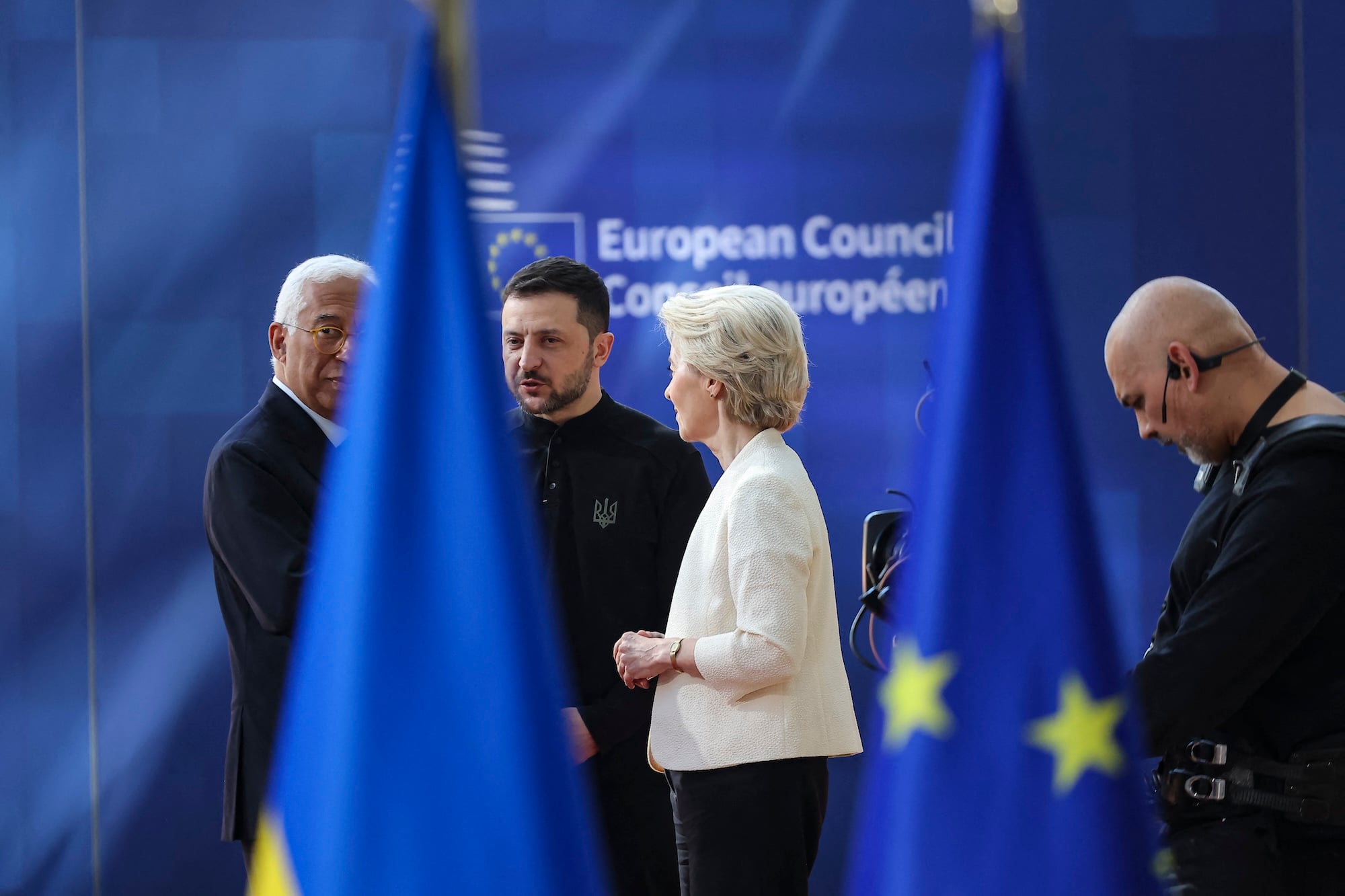
Tensions escalated after diplomatic transcripts emerged, revealing discussions facilitated by President Trump’s envoy regarding peace terms and the potential release of frozen assets. European officials reacted vehemently against these discussions, with European Commission President Ursula von der Leyen emphasizing the necessity that any negotiations be inclusive of Ukrainian interests. High-profile leaders from France and Germany echoed this sentiment, categorically rejecting any financial frameworks perceived as undermining their stance.
As this diplomatic discord unfolds, the urgency felt in Kyiv compounds the complexities. European intelligence estimates indicate that Ukrainian artillery supplies could diminish critically by early 2026. Without expedited financial support for military resources, Ukrainian commanders warn of potential rapid deterioration in their defensive capabilities along the extensive front lines.
Beyond Ukraine’s immediate fate, the broader global implications of how these frozen reserves are handled are significant. Should Washington’s approach prevail, the ramifications could resonate throughout international finance, signaling to nations like China that Western assets could be vulnerable to similar treatment. This would potentially accelerate efforts among countries to diversify their reserves away from the dollar, undermining the longstanding hegemony of Western financial structures.
However, a resolution remains necessary. A possible compromise might involve a joint U.S.-EU oversight framework for the funds, establishing transparent mechanisms for reconstruction while safeguarding against the perceived reward of aggression. Such an arrangement would blend urgency with principle, preventing either side from claiming absolute victory.
The frozen billions have become more than just numbers; they represent a critical juncture in the ongoing conflict and the broader challenge of united Western strategy in the face of increasing mistrust.