




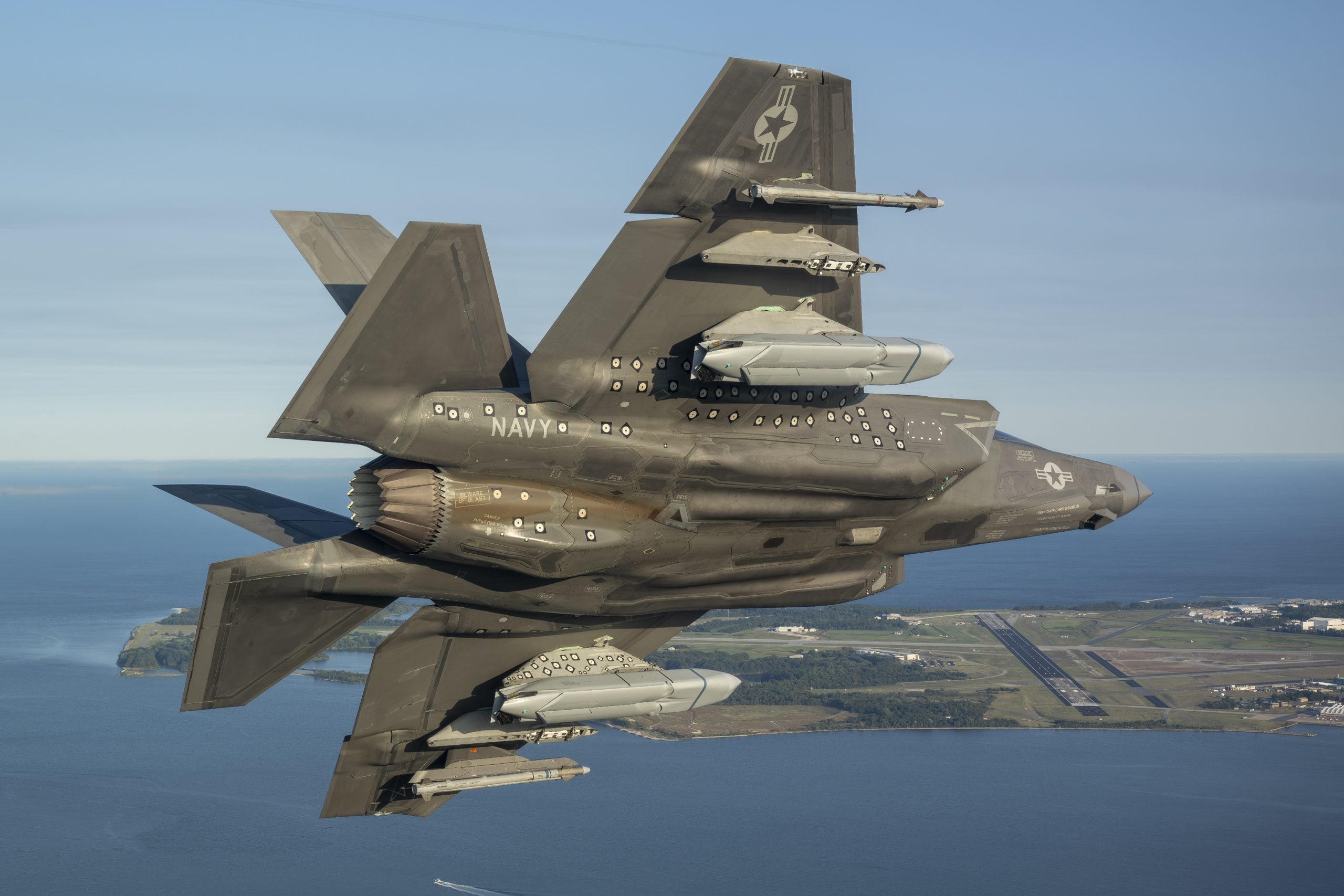
The U.S. Air Force is reigniting its efforts to develop an affordable air-launched Standoff Attack Weapon (SoAW), with plans to launch in 2033. This initiative comes after a four-year hiatus and is part of a broader shift in military strategy to ramp up munitions capabilities in response to evolving defense needs.
An industry day is slated for June 17, 2026, where military officials aim to gather insights from industry stakeholders regarding the specifications and features expected of this new cruise missile. While comprehensive details about the SoAW remain under wraps, it is clear that the program is designed to offer a cost-effective alternative to current high-end munitions like the Lockheed Martin Joint Air-to-Surface Standoff Missile (JASSM) and its derivative, the Long-Range Anti-Ship Missile (LRASM).
Initial interest in the SoAW was sparked in 2022, when a request for information was issued, but the campaign was subsequently placed on hold. According to sources from Air & Space Forces Magazine, renewed attention toward this project has been fueled by a substantial increase in defense funding. The fiscal 2027 budget proposal allocates an impressive $11.36 billion specifically for missile procurement, a figure nearly triple that of the $3.7 billion laid out in the fiscal 2026 budget. Projections indicate a continued rise, with expectations reaching $16 billion by 2029.
Standoff weapons play a crucial role in modern military strategy by allowing forces to engage targets from a distance beyond the threat range of enemy defenses. This capability becomes increasingly vital for non-stealth aircraft that are not well-suited for high-risk zones. The most recent variant of the AGM-158 JASSM, the AGM-158D, boasts a range of approximately 600 miles and costs around $1.5 million per unit. Moreover, an “extreme range” version is in the pipeline, reportedly extending its reach to 1,000 miles at a cost of $2.6 million. The AGM-158C LRASM, on the other hand, can strike at distances of up to 350 miles and is priced at approximately $3 million per missile.
However, the growing expense of these sophisticated munitions has raised concerns among military planners. Studies cited by Air & Space Forces Magazine suggest that such standoff weapons are “unaffordable and unsustainable” for potential conflicts in the Pacific, where thousands of targets could necessitate extensive munitions use. Recent military engagements against Iran further illustrate this issue, as reports from Aviation Week highlighted the rapid depletion of available Precision Strike Missiles during operations, underscoring the urgent need for more cost-effective and mass-producible standoff weapon systems.
The Air Force’s renewed focus on the SoAW signals a strategic pivot aimed at ensuring a competitive edge while adhering to fiscal constraints and operational realities in modern warfare.


