A recent annual defense report from the United States Department of Defense has issued a cautionary note to India regarding China’s recent de-escalation along the Line of Actual Control (LAC). The document suggests that Beijing’s actions may not stem from a sincere desire to resolve border disputes but rather from broader strategic calculations.
The report, named “Military and Security Developments Involving the People’s Republic of China – 2025,” indicates that China appears keen to exploit reduced tensions with India in an effort to stabilize bilateral relations and mitigate the accelerating strategic ties between New Delhi and Washington.
This shift follows India’s decision in October 2024 to disengage from the remaining standoff sites along the LAC, which was announced just prior to a high-profile meeting between Chinese President Xi Jinping and Indian Prime Minister Narendra Modi at the BRICS Summit. That engagement led to a series of subsequent meetings focused on border management and initiatives like direct flights, visa facilitation, and exchanges between academia and the media.
Despite these diplomatic overtures, the report stresses that India remains skeptical of China’s intentions. Historical distrust, unresolved border disputes, and recurring irritants are seen as substantial barriers to fully normalizing relations.
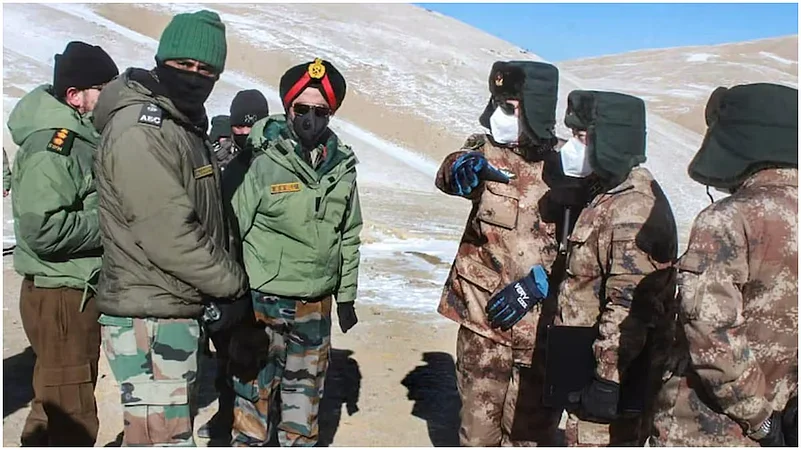
In the past year, India and China have taken cautious steps toward normalization following a protracted military standoff in eastern Ladakh that lasted four years. Initiatives have included the resumption of tourist visas, plans to restart the Kailash Mansarovar Yatra pilgrimage, the resumption of direct flights, and commemorations for 75 years of diplomatic ties.
In August 2025, both leaders publicly reaffirmed their commitment to enhance engagement and work towards a “fair” resolution of the border disputes. Nonetheless, the report highlights that certain areas, especially Depsang and Demchok, still require verification to confirm troop withdrawals and establish buffer zones.
Placing the LAC de-escalation within a broader framework, the report outlines that it aligns with China’s long-term strategy aimed at achieving what it calls the “great rejuvenation of the Chinese nation” by 2049. This strategy encompasses building a formidable military to safeguard its sovereignty and extend its global influence.
China’s conceptualization of “core interests,” which include Communist Party control, economic development, and territorial sovereignty, remains non-negotiable. Beijing asserts claims over Taiwan, the South China Sea, the Senkaku Islands, and Arunachal Pradesh in India, while the People’s Liberation Army (PLA) is reportedly enhancing its capabilities for high-altitude warfare and air defense.
The report posits that China may be looking to relieve military and diplomatic pressure by lowering tensions with India, thereby allowing it to concentrate more intently on its ambitions in the Indo-Pacific and countering US-led alliances such as the Quad.
From the perspective of Washington, China’s outreach to India coincides with strengthening defense cooperation between India and the US, encompassing initiatives for the co-production of critical technology like jet engines and drones. The report suggests that Beijing may view this warming of relations as a counterbalance to a united US-India strategic front.
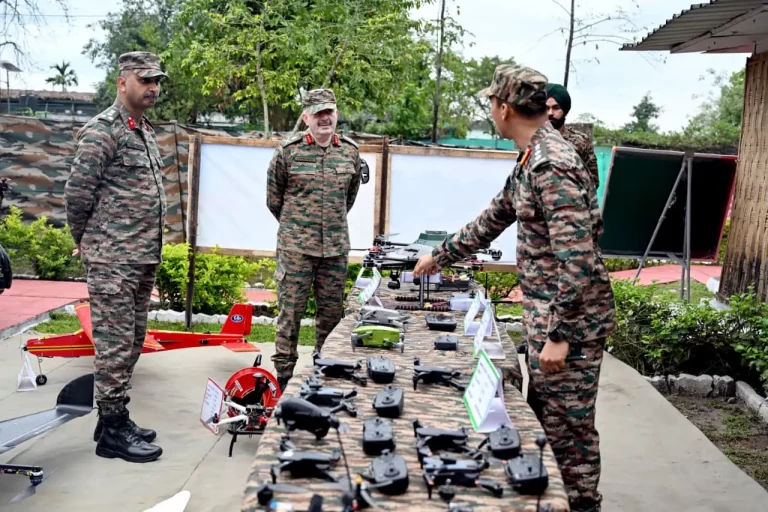
India continues to advocate for strategic autonomy, swiftly modernizing its military capabilities through initiatives such as the procurement of Rafale fighter jets, S-400 air defense systems, and the development of indigenous platforms like the Tejas Mk-2 and AMCA program, independent of external influence.
Ultimately, the US defense report concludes that the current period of calm along the LAC represents a tactical rather than a genuine strategic resolution. While trade between the two nations has reached record levels, ongoing concerns—such as China’s vetoes in the UN related to Pakistan-based terrorism and its issuance of stapled visas for Indian journalists—expose the friction that persists.
For India, the key takeaway is to remain vigilant. It must cautiously navigate its engagement with China while using this relative calm to bolster its military readiness and indigenous defense capabilities. The report emphasizes that without sustained efforts toward building trust, the potential for re-emerging flashpoints along the LAC could significantly alter the regional balance, particularly in a more contentious Indo-Pacific landscape.