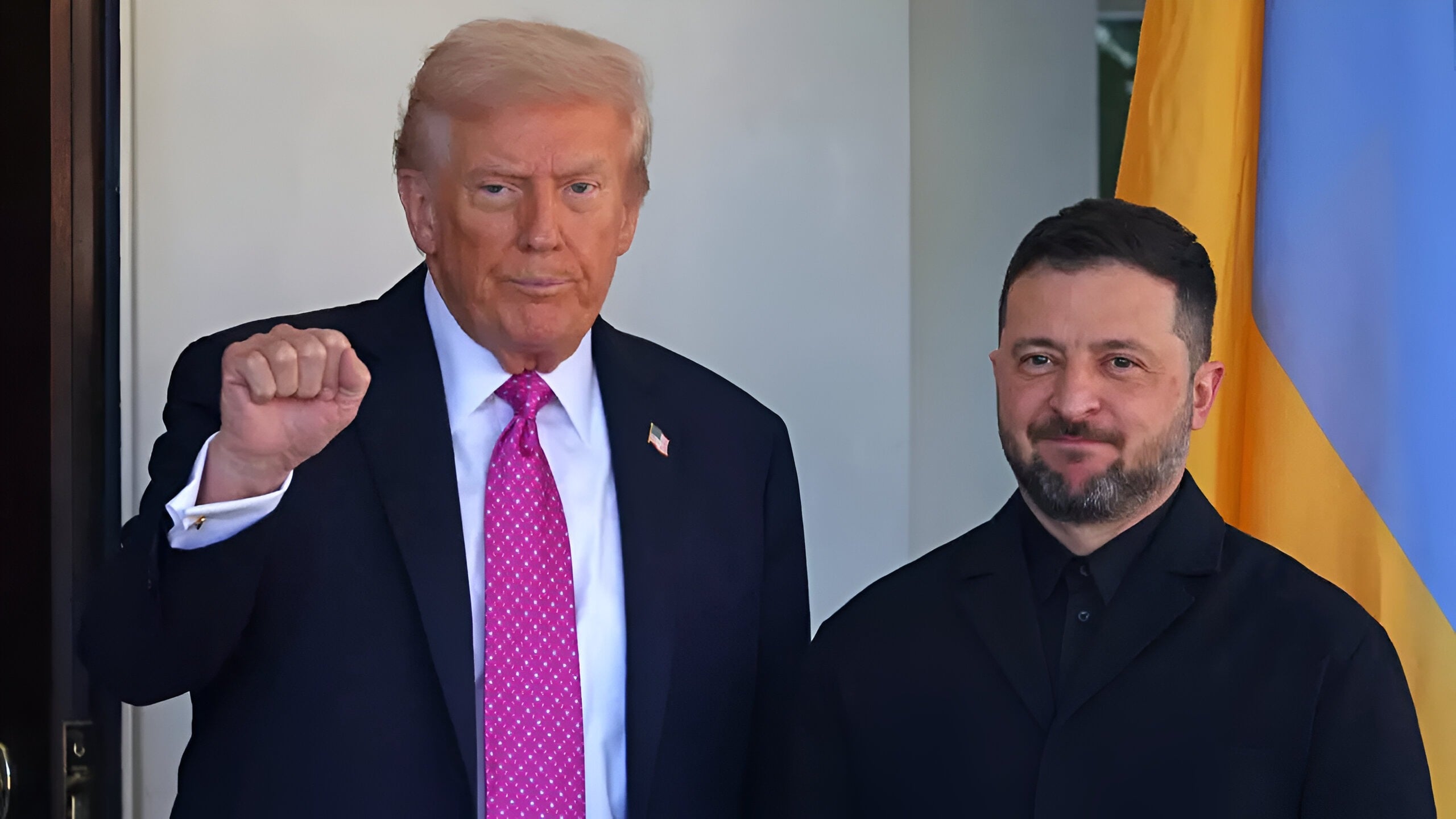
The ongoing diplomatic efforts led by the United States to resolve the Ukraine conflict are yielding significant geopolitical repercussions, as they inadvertently empower Russian influence across Europe. Critics argue that the approach taken by the Trump administration not only validates Moscow’s territorial gains but also reflects a retreat from established post-Cold War security norms.
Recent negotiations in Moscow have underscored the complexities surrounding the peace framework proposed by US envoys, which was scaled down from 28 to 19 points following consultations in Geneva and Miami. While Russia showed a willingness to engage, it firmly rejected key proposals regarding territorial annexations and military limitations for Ukraine. Kremlin representatives deemed the discussions as constructive, yet emphasized that core demands remained non-negotiable.
The impact of these diplomatic maneuvers became starkly evident with the release of the US National Security Strategy on December 4. This document prioritized the “expeditious cessation of hostilities,” which could be interpreted as tacit acceptance of Russia’s annexations. The strategy criticized European allies for their “unrealistic” policies regarding Ukraine and hinted at a willingness to compromise allied sovereignty in favor of a stability that tends to favor the aggressor, thus raising serious concerns about the future of European security.
On the battlefield, these diplomatic efforts have translated into adverse conditions for Ukrainian forces, with artillery fire ratios reaching alarming levels. The suspension of US ammunition shipments has left Ukrainian commanders in a precarious position, exacerbating what many view as a self-inflicted strategic failure by Washington. Commentators suggest that this shift in military support is reshaping the conflict dynamics, creating a military reality that justifies concessions to Russia.
The economic aspects of any potential settlement also raise eyebrows. Proposals emerging within discussions hint at sanctions relief and the unfreezing of substantial Russian assets, effectively rewarding aggressive actions rather than imposing meaningful consequences. This pathway, instead of paving the way for peace, may instead provide financial incentives for Russia’s revisionist ambitions.
Simultaneously, Russia is fortifying its influence through various initiatives that operate within the grey zone, such as the “Time of Heroes” program aimed at reintegrating veterans into society while spreading ideologically favorable narratives. These efforts are extending beyond Russia’s borders, as regional legislative seats are increasingly occupied by figures connected to the Kremlin, further normalizing Russian presence in areas traditionally outside its sphere of influence.
The geopolitical ripple effects are becoming increasingly visible. In Tbilisi, the ruling party has introduced restrictive legislation, interpreting the latest US-Russia discussions as a sign that Washington is deprioritizing democratic standards. Similarly, in Belgrade, President Vučić is leveraging the narrative around US-Russia talks to stall EU-mandated reforms. Across Eastern Europe, officials express concern that a continued US withdrawal from active involvement would leave them with no option but to accommodate Moscow, often viewed as a necessity rather than a choice.
Efforts to mitigate these shifts are underway among European governments, with initiatives to bolster independent media and strengthen bilateral security commitments. Yet, there is a growing recognition that these measures may not suffice against an emboldened Russia unless US backing is restored. Follow-up negotiations in Berlin have yielded optimistic language, yet Russia remains firm in its territorial demands, while US attempts at concession-driven diplomacy only serve to reinforce Russia’s strategic calculus.
As the geopolitical landscape continues to evolve, observers warn that current diplomatic strategies could lead to the normalization of a Russian sphere of influence in Europe. Without a decisive shift back toward unwavering support for Ukraine, the implications may be far-reaching, marking a significant retreat from established norms in international relations.