




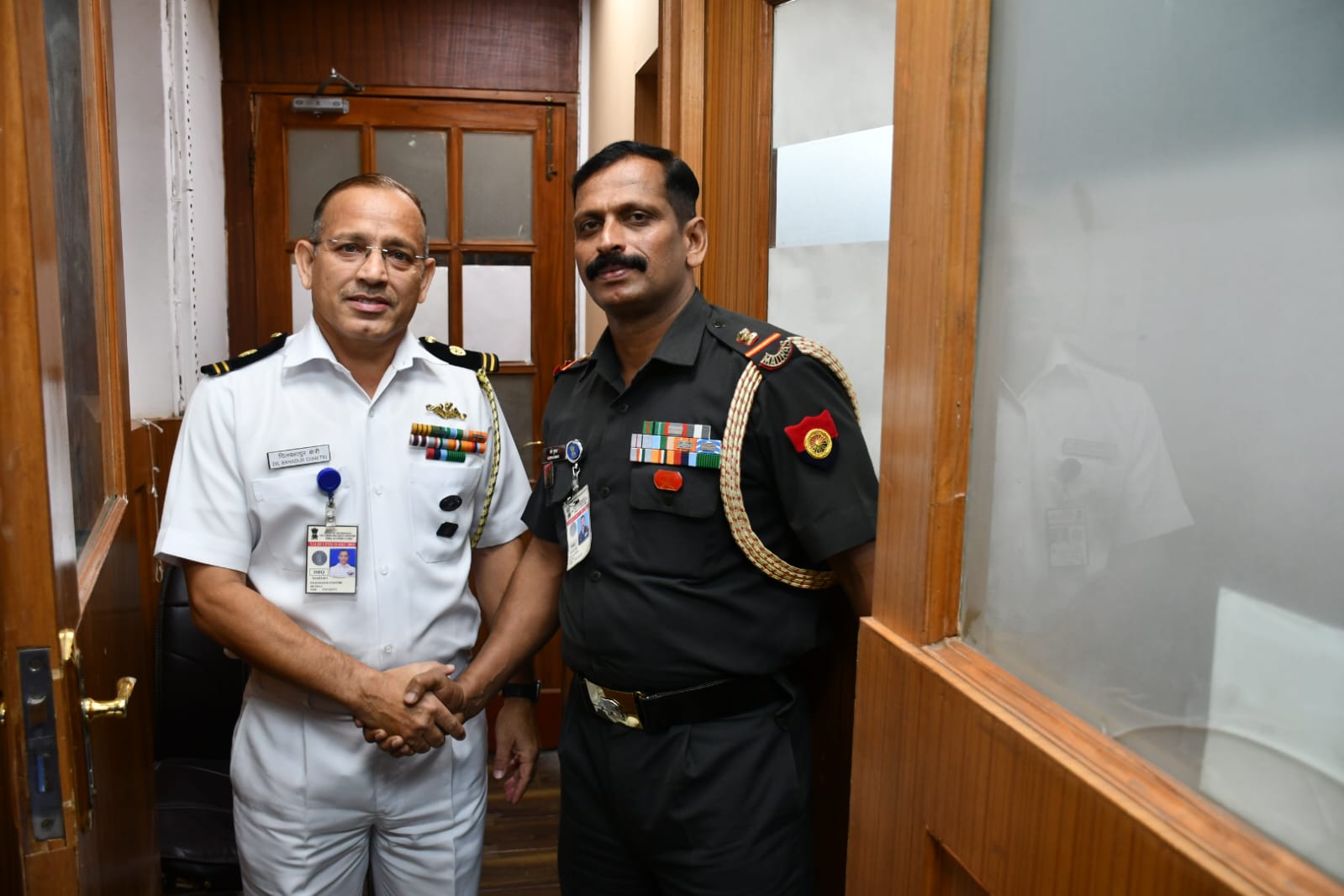
In the Indian Army, the role of Subedar Major stands as a vital pillar, intertwining a rich historical background with the modern needs of military operations. As the highest rank available for Junior Commissioned Officers (JCOs), Subedar Majors exemplify leadership that connects experienced enlisted personnel with strategic decision-making, solidifying their importance on both unit and army-wide levels.
Historically, the rank of Subedar Major can be traced back to the colonial period under the British East India Company, with its introduction on October 28, 1817, in the Native Infantry of the Bengal Army. The role was designed to provide local leadership within the military structure, later spreading to other presidencies. Over time, titles such as Viceroy’s Commissioned Officers were adopted, bestowing insignias akin to British majors, though British officers still retained higher authority.
Following India’s independence in 1947, the structure of the Subedar Major persisted within both the Indian and Pakistani armed forces, evolving from colonial legacies to reflect national identity. In present-day India, with a standing army exceeding 1.4 million, these officers play crucial roles as custodians of regimental traditions while adapting to technological advancements and societal changes. Notably, the integration of women into various military roles has marked a significant shift that Subedar Majors are increasingly involved in addressing.
The term “Subedar Major” simultaneously signifies both a rank and an appointment within the army. As the highest rank for JCOs, individuals typically progress from the rank of Naib Subedar through to Subedar. In addition to their rank, Subedar Majors hold an esteemed position at the unit level, where they are referred to as “SM Sahab.” This appointment encompasses overseeing day-to-day operations of their units and maintaining morale. A recent development is the creation of the “Army Subedar Major” role, instituted on June 16, 2023, representing JCOs and soldiers at high-level army commands. The initial holder was honored as Subedar Major Gopa Kumar S, followed by Subedar Major Durgesh Singh in early 2026. This innovation emphasizes the army’s commitment to empowering junior leaders and ensuring that grassroots concerns are effectively communicated to higher command.
Promotions to the rank of Subedar Major are merit-based, necessitating extensive experience and demonstrated leadership abilities. The selection process at the army level is particularly rigorous, prioritizing individuals with proven records in operational excellence and soldier welfare.
In terms of responsibilities, Subedar Majors serve a multifaceted role encompassing various functions essential to unit cohesion and effectiveness. They act as chief advisors to commanding officers, enforce discipline, manage administrative tasks, plan training exercises, and advocate for soldier welfare. They also play a significant role in preserving the cultural and ceremonial integrity of their units, participating in traditions and parades that uphold the regimental ethos.
The unique insignia of a Subedar Major—featuring the Ashoka Lion Capital along with a distinct stripe—symbolizes not only authority but also national pride. In the hierarchy of ranks, equivalent titles include Risaldar Major in cavalry units, with Subedar Majors positioned just below commissioned officers.
Recent reforms, particularly the formalization of the Army Subedar Major, signify a pivotal transformation aiming to foster unity and support morale amidst modern challenges such as mental health awareness and social inclusivity. This transformation faces the ongoing challenge of balancing long-standing military traditions with contemporary expectations, as soldiers seek greater engagement and support from their leaders.
In essence, the appointment of Subedar Major—whether within military units or more broadly across the army—remains a cornerstone of leadership within the Indian Army. By aspiring to uphold duty, camaraderie, and honor, Subedar Majors ensure that soldiers’ voices are acknowledged while aligning operational excellence with a forward-looking agenda that embraces reform and inclusivity.


