




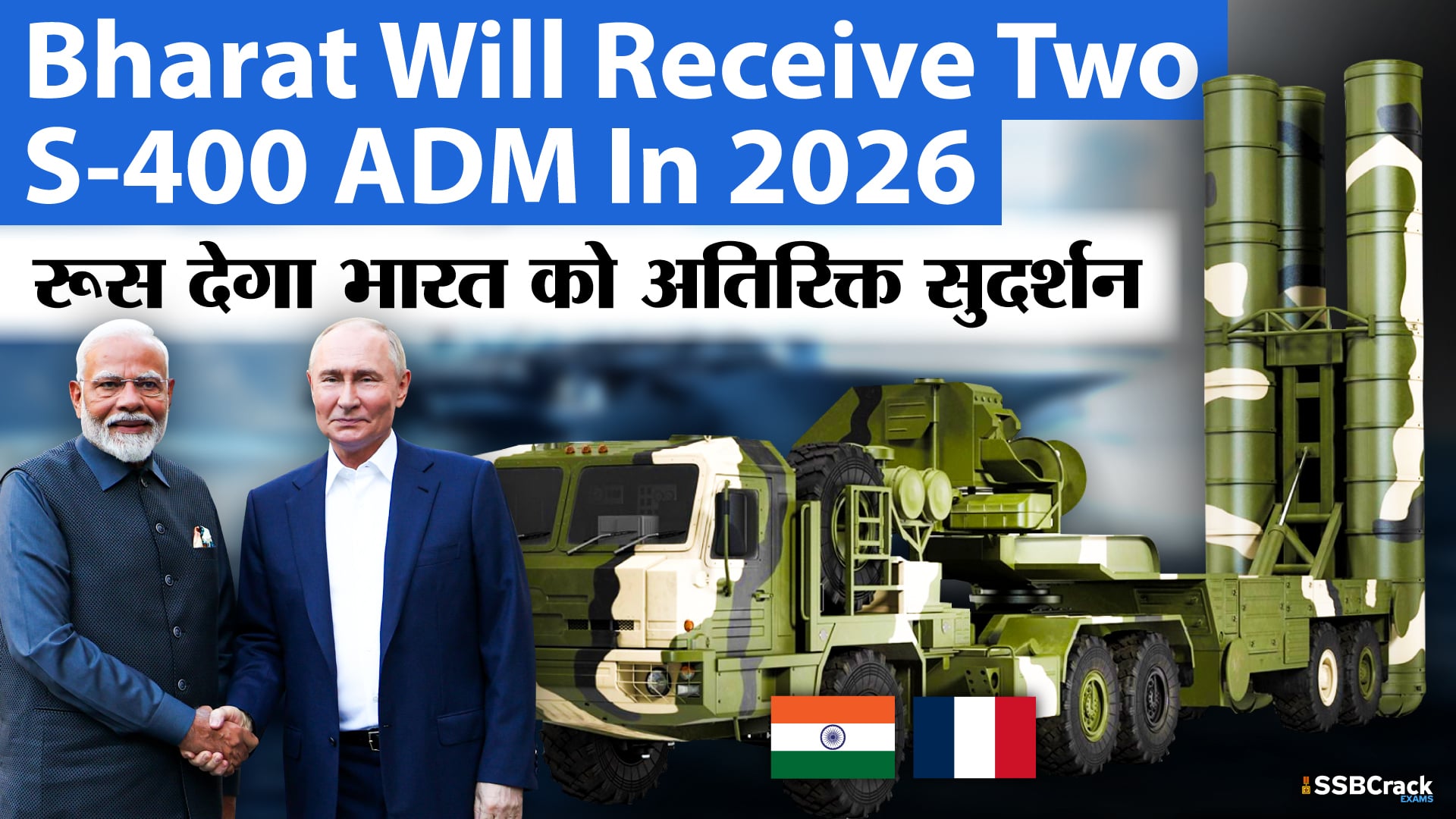
Russia has reiterated its commitment to completing the supply of the remaining S-400 air defence systems to India, providing a clear timeline for their arrival later this year. According to Defence Secretary RK Singh, the fourth squadron is expected to reach India in June 2026, while the fifth and final unit is scheduled for delivery in November 2026.
Russia Confirms Delivery Schedule for Remaining S-400 to India
The announcement represents steady progress in the implementation of the $5.43 billion agreement signed between India and Russia in 2018 for the procurement of five S-400 Triumf squadrons. The S-400 is regarded as one of the most advanced long-range surface-to-air missile systems in the world, capable of detecting and neutralizing aircraft, unmanned aerial vehicles, and ballistic missiles at distances of up to 400 kilometers.
Since December 2021, three squadrons have already been delivered and strategically deployed along India’s northern and eastern frontiers. Their induction has significantly strengthened India’s multi-layered air defence network at a time when regional security challenges continue to evolve.
The assurance of timely delivery comes after earlier delays caused by disruptions linked to the Russia-Ukraine conflict, which had affected production and supply chains. Through sustained diplomatic and military-level engagement, both nations have worked to resolve these bottlenecks. Recent discussions between Defence Minister Rajnath Singh and his Russian counterpart Andrey Belousov, held on the sidelines of the Shanghai Cooperation Organisation (SCO) Defence Ministers’ meeting in Qingdao, played a key role in reaffirming the revised schedule.
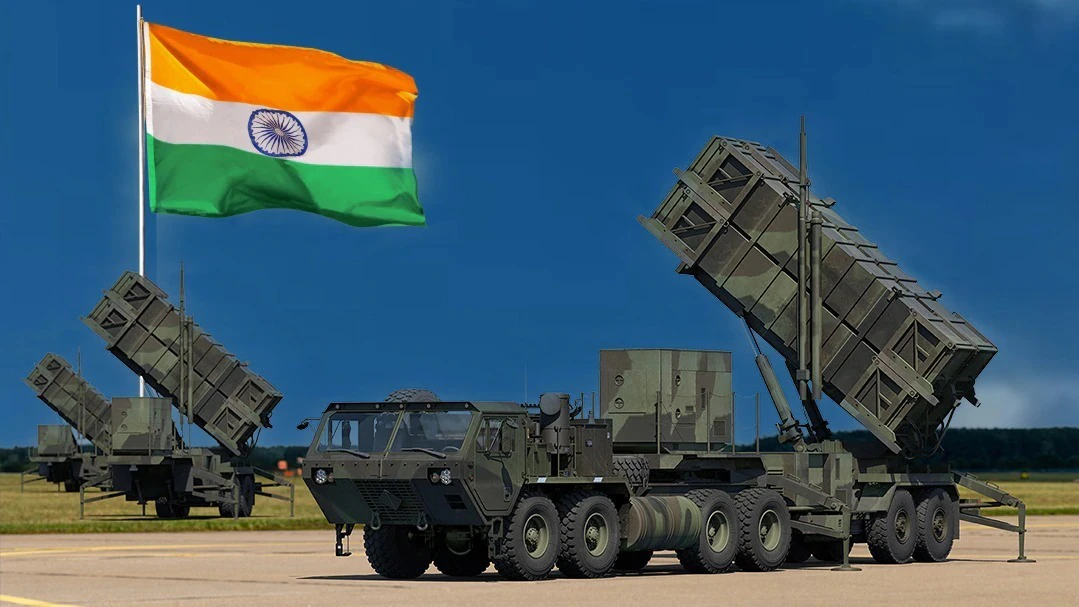
The completion of all five squadrons will enhance India’s overall air defence coverage and deterrence capabilities. Once fully operational, the S-400 systems will be integrated with indigenous platforms such as Akash and the Medium Range Surface-to-Air Missile (MRSAM) system, creating a more robust and comprehensive defence shield.
Beyond operational deployment, India and Russia are also exploring long-term cooperation in maintenance, repair, and overhaul (MRO) support, potentially involving collaboration with Russia’s defence manufacturer Almaz-Antey. Such initiatives would contribute to sustained operational readiness and greater technical collaboration between the two countries.
The S-400 deal has drawn international attention, particularly in the context of potential US sanctions under the CAATSA legislation. Nevertheless, India has maintained its strategic autonomy while continuing to deepen defence partnerships with multiple countries. The continued progress of the S-400 programme highlights the enduring nature of India-Russia defence cooperation.
With the final two deliveries expected by the end of 2026, India will complete the induction of all contracted systems, further strengthening its air defence architecture amid a complex and evolving geopolitical landscape.
S-400 Air Defence System – Overview
The S-400 Triumf (NATO reporting name: SA-21 Growler) is a long-range surface-to-air missile (SAM) system developed by Russia. It is considered one of the most advanced air defence systems in the world due to its ability to detect, track, and destroy multiple aerial threats simultaneously.
🔹 Key Features of the S-400
1. Long-Range Capability
The S-400 can engage targets at distances of up to 400 km, making it one of the longest-range air defence systems currently in service.
2. Multi-Target Engagement
It can track around 100 targets at once and engage multiple threats simultaneously, including:
- Fighter aircraft
- Stealth aircraft
- Drones (UAVs)
- Cruise missiles
- Ballistic missiles
3. Multi-Layered Missile System
The system uses different types of missiles for varying ranges:
- 40N6 missile – Up to 400 km
- 48N6 missile – Around 250 km
- 9M96E2 missile – Around 120 km
- 9M96E missile – Shorter-range interception
This layered capability allows it to create a strong defensive shield.
4. Advanced Radar Technology
The S-400 uses powerful radar systems that can detect aircraft, even those with reduced radar signatures, at long distances. It can track high-speed and high-altitude targets effectively.
🔹 Components of the S-400 System
An S-400 squadron typically includes:
- Command and control center
- Surveillance radar
- Engagement radar
- Missile launch vehicles
- Support and logistics vehicles
The system is mobile and can be deployed quickly.


