




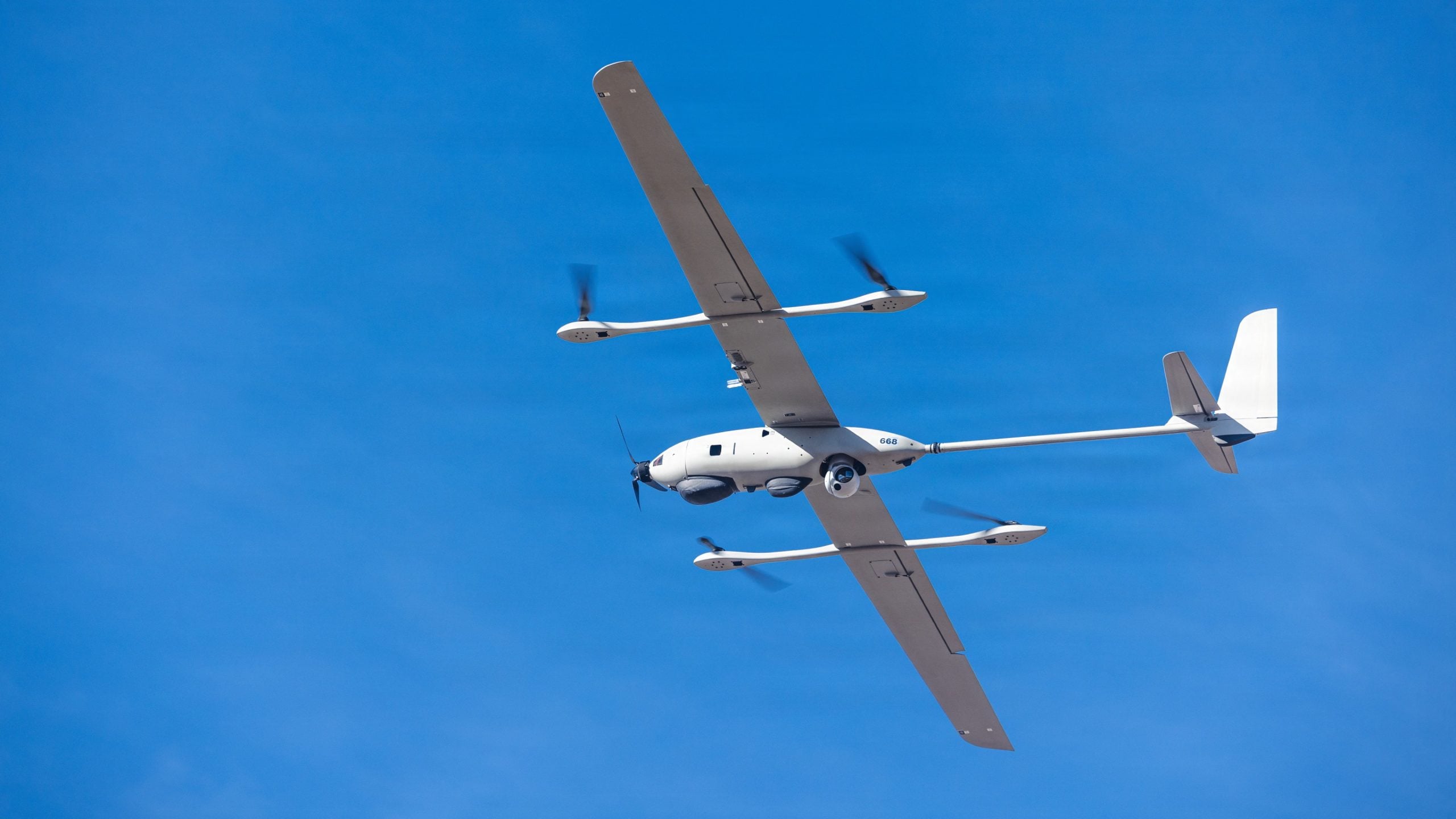
Redwire Corporation has secured contracts exceeding $20 million to supply its advanced Stalker Block 30 small unmanned aerial systems (UAS) to the United States Marine Corps. This procurement includes the Advanced Navigation variants of the Stalker aircraft, which will enhance the existing fleet of over 250 Stalker platforms already in the Marine Corps’ inventory.
In addition to the UAS themselves, Redwire is set to provide camera payloads, support kits, and a variety of ground control stations, designed for short, medium, and long-range operations. This new acquisition is part of a broader effort to modernize the military’s UAS fleet. The Advanced Navigation Stalker is specifically engineered to improve situational awareness, target localization, and intelligence, surveillance, and reconnaissance (ISR) operability, particularly in challenging battlefield environments.
Steve Adlich, president of Redwire Defense Tech, emphasized the importance of the Advanced Navigation capabilities for long-range reconnaissance missions. These drones are expected to perform effectively in contested and GPS-denied areas, covering vast distances, which is critical for modern military operations. He remarked on the Stalker UAS’s 20-year legacy of reliability, adaptability, and mission-oriented performance, expressing pride in supporting the Navy and Marine Corps Small Tactical Unmanned Aircraft Systems Program Office as they enhance small UAS capabilities.
The Stalker Block 30 features a streamlined design, measuring 3 meters (10 feet) in length and boasting a wingspan of 5 meters (16 feet) with a takeoff weight of 22 kilograms (46 pounds). It operates on a rechargeable solid oxide fuel cell, granting a communications range of up to 160 kilometers (99 miles) and the ability to ascend to an altitude of 4,572 meters (15,000 feet). With a top speed exceeding 50 knots (93 kilometers or 58 miles per hour) and an endurance of up to eight hours, the Stalker Block 30 is also equipped with electro-optical and infrared solutions, enhancing its all-day threat monitoring capabilities and improving its vertical takeoff and landing proficiency.


