





In Current Affairs for 26 June 2026, we will see the latest national and international current affairs news. These important current affairs will be beneficial for your upcoming NDA, CDS, CDS OTA, AFCAT, TA, Agniveer Army, Agniveer Navy, Agniveer Air Force, Women Military Police, INET, MNS, ACC exams, SCO, PCSL, CAPF, and SSB interviews, and direct entries for Army, Navy, and Air Force like SSC Tech, TGC, JAG, NCC, TES, 10+2 Cadet. Download a PDF file about current events at the end of this article. Let us now see the Current Affairs.
Current Affairs 26 June 2026
Mahesh Dixit Becomes New Director of the Intelligence Bureau
The Government of India has appointed Mahesh Dixit as the next Director of the Intelligence Bureau (IB). The decision was approved by the Appointments Committee of the Cabinet (ACC) headed by Prime Minister Narendra Modi. Mahesh Dixit, a 1993-batch Indian Police Service (IPS) officer from the Andhra Pradesh cadre, will officially assume office on 30 June 2026, replacing Tapan Kumar Deka.
Before this appointment, Dixit was serving as the Special Director of the Intelligence Bureau. His tenure as IB Director will be two years from the date he takes charge or until further government orders, whichever comes first. The appointment also includes the necessary extension of service under the provisions of the All India Services Rules.
About the Intelligence Bureau (IB)
The Intelligence Bureau is India’s oldest intelligence organization and functions under the Ministry of Home Affairs (MHA). It plays a vital role in maintaining internal security by collecting domestic intelligence, preventing espionage, combating terrorism, and identifying threats to national security.
Ministry of Culture Observes ‘Samvidhan Hatya Diwas’
The Ministry of Culture organized a special programme in New Delhi to observe ‘Samvidhan Hatya Diwas’, commemorating the 50th anniversary of the Emergency declared in 1975. The event was hosted by the Centre for Cultural Resources and Training (CCRT) with the objective of creating awareness about the significance of democracy and constitutional governance.
Union Minister for Culture and Tourism Shri Gajendra Singh Shekhawat attended the event as the Chief Guest. During his address, he emphasized that India’s democratic institutions have remained resilient despite facing significant challenges during the Emergency period.
Objectives of the Programme
- Promote democratic values.
- Highlight the importance of the Constitution.
- Safeguard Fundamental Rights.
- Protect freedom of speech and expression.
- Encourage an independent media.
- Strengthen respect for the rule of law.
United Nations International Day in Support of Victims of Torture 2026
Every year on 26 June, the United Nations International Day in Support of Victims of Torture is observed to strengthen global efforts against torture and extend support to its victims. The observance promotes the protection of human dignity, justice, accountability, and rehabilitation for survivors.
The date holds historical significance because the United Nations Convention Against Torture (CAT) came into force on 26 June 1987. The convention defines torture as the deliberate infliction of severe physical or mental pain by or with the consent of public authorities for purposes such as obtaining information, punishment, intimidation, or discrimination.
Significance
- Raises awareness about the harmful consequences of torture.
- Supports rehabilitation and justice for victims.
- Promotes the protection of human rights worldwide.
- Encourages governments to eliminate torture in all forms.
International Day Against Drug Abuse and Illicit Trafficking 2026
The International Day Against Drug Abuse and Illicit Trafficking is observed annually on 26 June to promote international cooperation in combating drug abuse and illegal drug trade. The day seeks to educate people about the social, economic, and health-related consequences of illicit drug use.
The 2026 campaign focuses on strengthening prevention, treatment, law enforcement, and international collaboration to address the continuing global drug challenge. The observance also supports the achievement of the Sustainable Development Goals (SDGs) related to health, justice, and strong institutions.
Key Objectives
- Spread awareness about the dangers of drug abuse.
- Reduce illegal drug trafficking.
- Promote prevention and rehabilitation.
- Encourage global partnerships against narcotics.
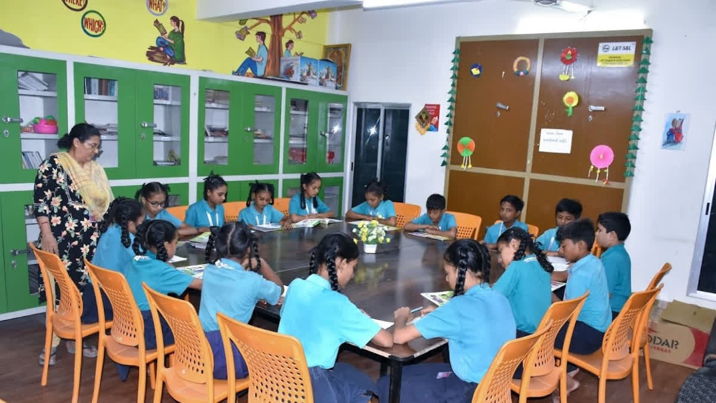
India Achieves Major Milestone in World’s Best School Prizes 2026
India created a new record by having seven schools shortlisted for the World’s Best School Prizes 2026, the highest number of schools selected from any country since the awards were launched in 2022.
The awards, established by T4 Education, recognize excellence in five categories:
- Innovation
- Community Collaboration
- Environmental Action
- Supporting Healthy Lives
- Overcoming Adversity
The winners will be announced in November 2026 after evaluation by an independent Judging Academy.
Among the shortlisted institutions, PCMC Chhatrapati Shahuji Maharaj English Medium School, Pune, and Army Goodwill School, Wuzur (Anantnag, Jammu & Kashmir) have been nominated in the Innovation category. Several other Indian schools have also been recognized for their outstanding work in community engagement.
Importance
- Demonstrates India’s growing leadership in school education.
- Recognizes innovative and inclusive educational practices.
- Encourages schools to adopt global best practices.
India Launches Hub-and-Spoke Aviation Model
India has introduced a Hub-and-Spoke Aviation Model to improve international air connectivity for passengers travelling from Tier-2 and Tier-3 cities. The first service under this system commenced on 25 June 2026, connecting passengers from Varanasi to international destinations through New Delhi using Air India Easy Connect.
Under this model, smaller airports serve as spokes, while major airports act as hubs. Passengers can complete immigration and baggage procedures at their departure airport before transferring through the designated hub airport.
Initially, the major hub airports include:
- Delhi
- Mumbai
- Bengaluru
- Hyderabad
The government plans to expand the network by adding more destinations, eventually covering around 30 airports, including Nagpur.
Benefits of the Hub-and-Spoke Model
- Improves connectivity from smaller cities.
- Reduces dependence on foreign transit airports.
- Makes international travel more convenient.
- Strengthens India’s aviation infrastructure.
- Enhances the efficiency of passenger transfers within the country.
Review Questions
1. Mahesh Dixit has been appointed as the new Director of which organisation?
A) Research and Analysis Wing (RAW)
B) National Investigation Agency (NIA)
C) Intelligence Bureau (IB)
D) Central Bureau of Investigation (CBI)
Answer: C) Intelligence Bureau (IB)
Explanation: Mahesh Dixit, a 1993-batch IPS officer of the Andhra Pradesh cadre, has been appointed as the new Director of the Intelligence Bureau (IB).
2. The Intelligence Bureau (IB) functions under which ministry?
A) Ministry of Defence
B) Ministry of External Affairs
C) Ministry of Home Affairs
D) Cabinet Secretariat
Answer: C) Ministry of Home Affairs
Explanation: The Intelligence Bureau is India’s premier internal intelligence agency and operates under the Ministry of Home Affairs (MHA).
3. ‘Samvidhan Hatya Diwas’ was commemorated to mark which historical event?
A) 75 years of the Constitution
B) 50 years of the Emergency imposed in 1975
C) 50 years of the Green Revolution
D) 100 years of India’s Independence Movement
Answer: B) 50 years of the Emergency imposed in 1975
Explanation: The observance marked the 50th anniversary of the Emergency declared in 1975 and emphasized democratic values.
4. The United Nations International Day in Support of Victims of Torture is observed every year on:
A) 21 June
B) 24 June
C) 25 June
D) 26 June
Answer: D) 26 June
Explanation: The UN observes 26 June every year to reaffirm its commitment to eliminating torture and supporting survivors.
5. The United Nations Convention Against Torture (CAT) came into force on:
A) 10 December 1948
B) 26 June 1987
C) 24 October 1945
D) 15 August 1985
Answer: B) 26 June 1987
Explanation: The Convention Against Torture entered into force on 26 June 1987, making the date significant worldwide.
6. The International Day Against Drug Abuse and Illicit Trafficking is observed annually on:
A) 22 April
B) 5 June
C) 26 June
D) 1 July
Answer: C) 26 June
Explanation: The day promotes global cooperation against drug abuse and illegal drug trafficking.
7. The World’s Best School Prizes are organised by which organisation?
A) UNESCO
B) UNICEF
C) T4 Education
D) OECD
Answer: C) T4 Education
Explanation: T4 Education established the World’s Best School Prizes in 2022 to recognize excellence in school education.
8. How many Indian schools were shortlisted for the World’s Best School Prizes 2026?
A) Five
B) Six
C) Seven
D) Eight
Answer: C) Seven
Explanation: India achieved a record by having seven schools shortlisted, the highest among all countries in a single year.
9. India’s newly launched Hub-and-Spoke Aviation Model is primarily intended to:
A) Promote private airlines only
B) Improve international connectivity from Tier-2 and Tier-3 cities
C) Increase military air operations
D) Replace domestic flights with rail transport
Answer: B) Improve international connectivity from Tier-2 and Tier-3 cities
Explanation: The model connects smaller cities to international destinations through major hub airports, making overseas travel easier.
10. Which of the following is NOT among the initial hub airports identified under India’s Hub-and-Spoke Aviation Model?
A) Delhi
B) Mumbai
C) Hyderabad
D) Chennai
Answer: D) Chennai
Explanation: The initial hub airports are Delhi, Mumbai, Bengaluru, and Hyderabad. Chennai is not part of the first phase.


