




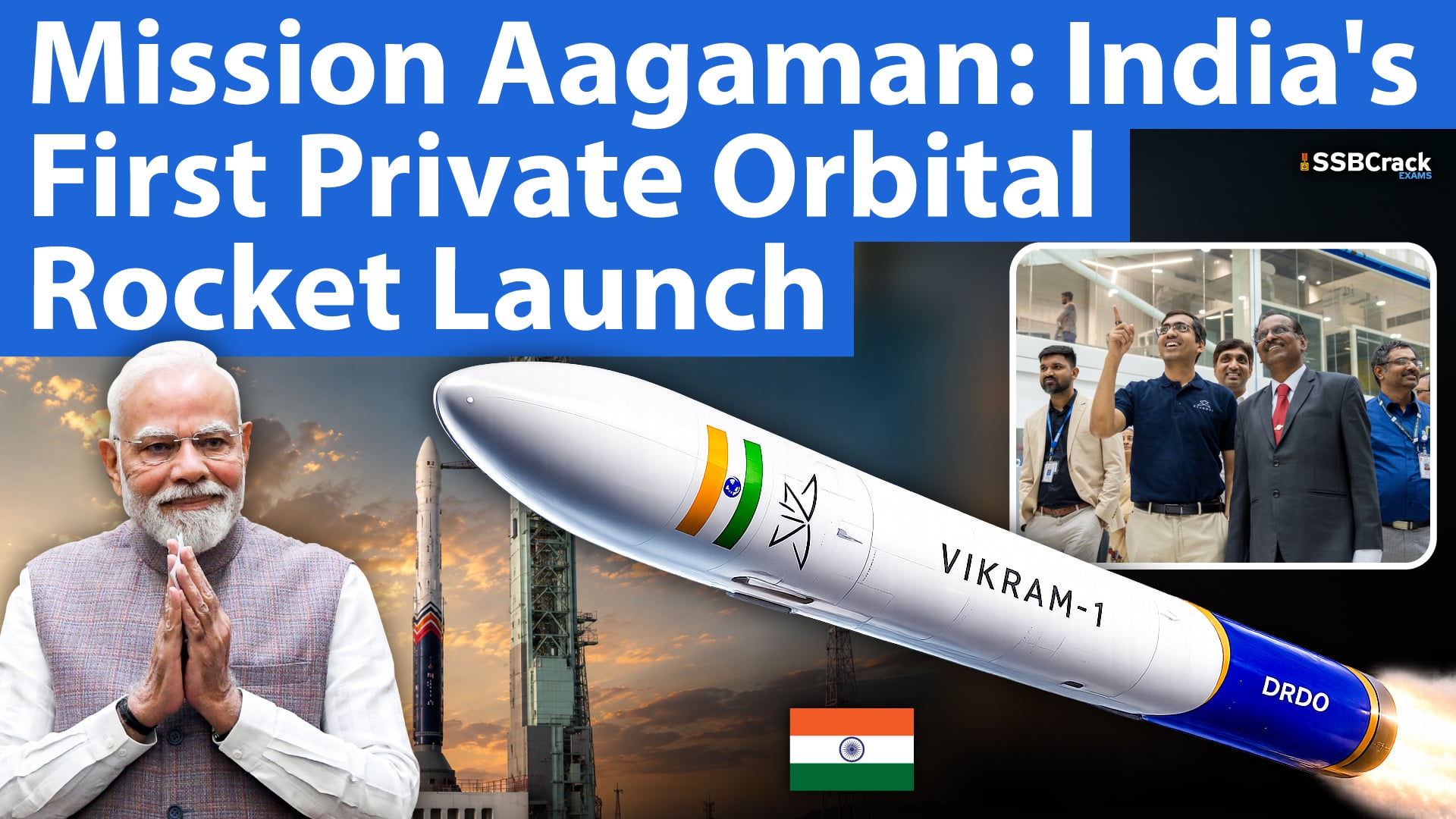
India’s space sector achieved a historic milestone with the successful launch of Vikram-1, the country’s first privately developed orbital-class launch vehicle, by Hyderabad-based Skyroot Aerospace.
Mission Aagaman: India’s First Private Orbital Rocket Launch
India’s space sector achieved a historic milestone with the successful launch of Vikram-1, the country’s first privately developed orbital-class launch vehicle, by Hyderabad-based Skyroot Aerospace. Named Mission Aagaman, the launch marks the beginning of a new era in which private companies play an active role in India’s space exploration and commercial satellite launch capabilities. The mission represents a significant achievement for India’s rapidly expanding private space ecosystem and reflects the success of recent space-sector reforms.
A Historic Milestone for India’s Space Industry
Mission Aagaman is the first attempt by an Indian private company to place payloads into orbit using an indigenously designed and developed launch vehicle. The mission was launched from the Satish Dhawan Space Centre (SDSC-SHAR), Sriharikota, the same spaceport used for ISRO’s major launch missions. A successful launch demonstrates that India’s private sector is now capable of contributing to orbital space missions alongside the national space agency.
About Vikram-1
Named after Dr. Vikram Sarabhai, the father of India’s space programme, Vikram-1 is a multi-stage launch vehicle developed entirely by Skyroot Aerospace. The rocket is designed to place small satellites weighing up to 350 kg into Low Earth Orbit (LEO), making it suitable for commercial satellite launches, Earth observation missions, scientific experiments, and technology demonstrations.
Mission Aagaman: Meaning and Objective
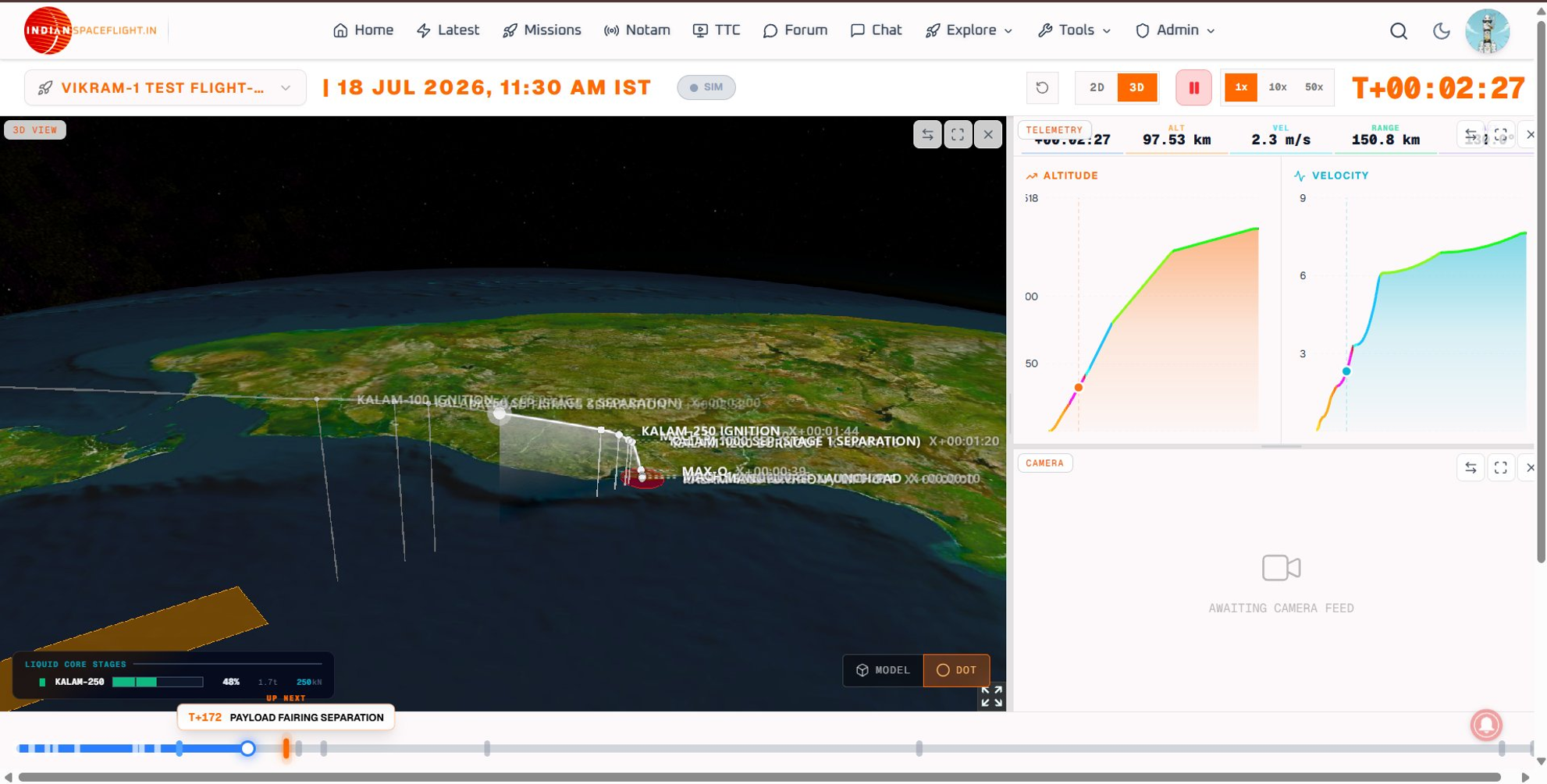
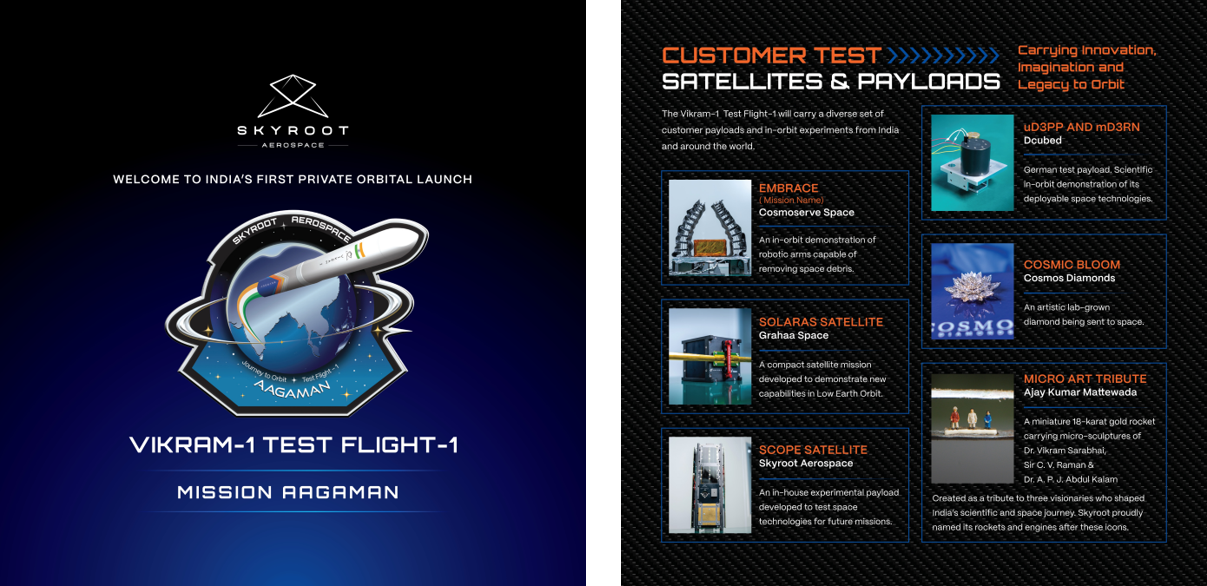
The word “Aagaman” means “arrival” in Sanskrit, symbolising the arrival of India’s private space industry into the global orbital launch market. The maiden mission primarily serves as a technology demonstration flight, validating the rocket’s propulsion system, avionics, stage separation, navigation, and flight performance before future commercial missions. The rocket carried multiple technology demonstration payloads from Indian and international customers into orbit.
Unique Features of the Mission
Mission Aagaman included several symbolic and technological highlights. The rocket carried a handwritten postcard from Prime Minister Narendra Modi bearing the message “Vande Mataram”, along with messages from scientists, engineers, astronauts, and unique artistic payloads. These additions celebrated India’s scientific achievements while showcasing the country’s growing confidence in private space innovation.
Importance for India’s Space Programme
The success of Vikram-1 strengthens India’s ambition to become a major player in the global commercial launch market. It demonstrates that Indian private companies can independently develop advanced launch vehicles and provide affordable launch services for small satellites. The mission also supports the Government of India’s vision of expanding private participation through organisations such as IN-SPACe and the Indian Space Policy.
The development is expected to encourage investment, promote technological innovation, create high-skilled employment opportunities, and strengthen India’s position in the global space economy. As demand for launching small satellites continues to increase worldwide, private launch vehicles such as Vikram-1 can help India emerge as a competitive and reliable launch service provider.
Conclusion
Mission Aagaman is more than the maiden flight of a rocket—it represents the emergence of India’s private space industry on the global stage. By successfully developing and launching Vikram-1, Skyroot Aerospace has demonstrated the technological capability and innovation of Indian private enterprises. The achievement opens new opportunities for commercial space missions, satellite deployment, and future space exploration, marking an important milestone in India’s journey toward becoming a leading global space power.
Key Facts
| Particular | Details |
|---|---|
| Mission Name | Mission Aagaman |
| Launch Vehicle | Vikram-1 |
| Developer | Skyroot Aerospace |
| Launch Site | Satish Dhawan Space Centre (SDSC-SHAR), Sriharikota |
| Rocket Type | Private Orbital-Class Launch Vehicle |
| Payload Capacity | Up to 350 kg to Low Earth Orbit (LEO) |
| Named After | Dr. Vikram Sarabhai |
| Significance | India’s first privately developed orbital rocket |


