




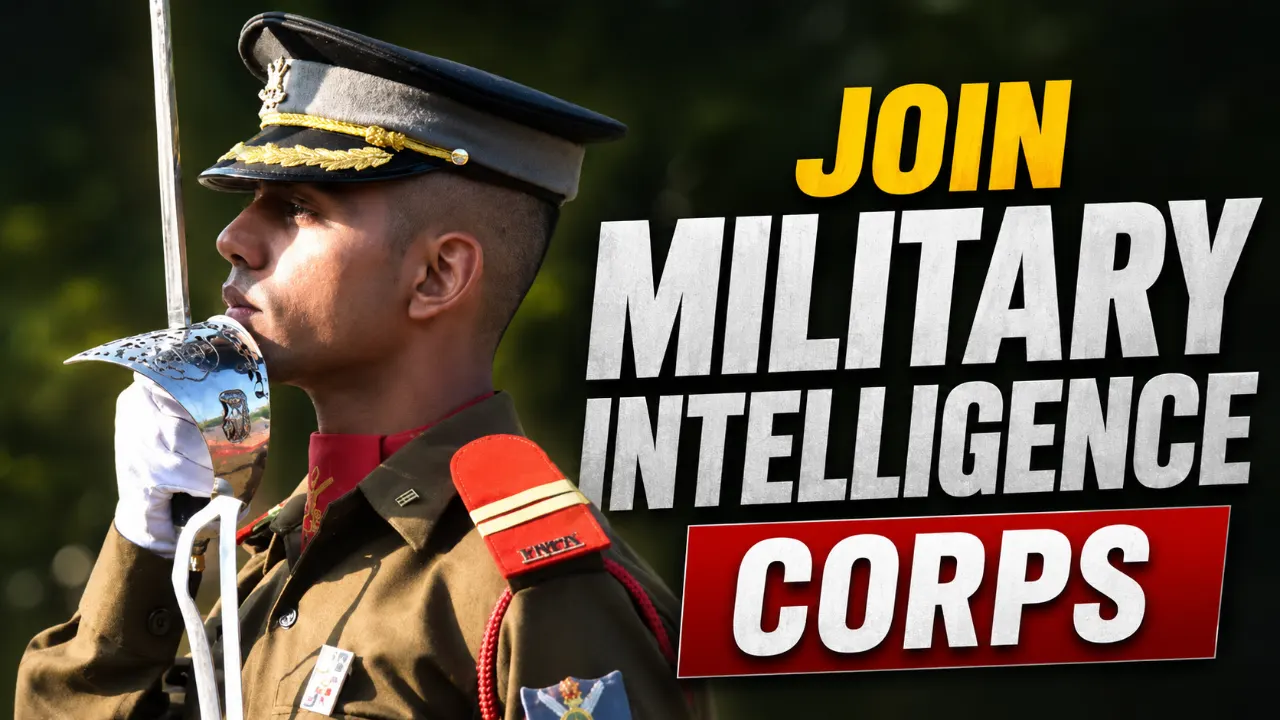
Military Intelligence (MI) is a crucial component of the Indian Army’s operational effectiveness, operating largely behind the scenes to ensure successful military operations. The Directorate of Military Intelligence (DMI) functions as the intelligence arm, while the Intelligence Corps provides the officers and soldiers tasked with intelligence and counter-intelligence duties.
The primary focus of MI is to gather and analyze intelligence within a strategic perimeter of 50 km from the borders, contributing to broader national security initiatives, including cross-border operations and counter-terrorism efforts. The motto “Sada Satark,” meaning "Always/Forever Alert," underscores the vigilance required of personnel in this field. The DMI is headquartered at Sena Bhawan in New Delhi, employing approximately 3,700 service members in various intelligence roles.
In this detailed overview, pathways, training, and operational realities of joining the Indian Army’s MI are explored, based on official sources and reports from defence education platforms. Aspiring candidates should be aware that specific vacancy numbers and internal criteria for selection remain classified, limiting publicly available information.
Historical Context
The Indian Army’s organized military intelligence harks back to the period of the British Indian Army. The inception of an Intelligence Branch occurred around the late 19th century, evolving from a small Topographical Section. The formal establishment of a dedicated Intelligence Corps gained traction in 1904 amid concerns regarding potential conflicts, particularly with Russia.
World War II played a significant role in shaping the modern intelligence structure. The Military Intelligence Training School and Depot (MINTSD) was established in Karachi in 1941 and has since moved through several locations before settling in Pune in 1952. The Intelligence Corps, which celebrates its Raising Day on November 1, has been involved in major conflicts, including the wars of 1947, 1962, 1965, 1971, Kargil, and various counter-insurgency operations.
Core Functions
The responsibilities of MI personnel include:
- Combat Intelligence: Collecting and analyzing field intelligence to assist military commanders.
- Counter-Intelligence: Conducting operations that identify and neutralize threats from adversarial intelligence agencies.
- Support Roles: Providing insights for special operations, border management, and crisis response.
- Advisory Duties: Offering guidance on organizing, training, and equipping forces.
Work in MI demands high analytical skills, discretion, integrity, language proficiency, technological acumen, and psychological resilience. Careers may involve postings in field units, headquarters, or inter-agency collaboration, where recognition often comes through outcome rather than visibility.
Training Pathways
All intelligence professionals receive specialized training at MINTSD in Pune, offering diploma and postgraduate diploma programs in various fields related to military intelligence. This training is rigorous, intertwining theoretical knowledge with practical applications and is essential for permanent assignment within MI.
Entry Routes for Officers
There is currently no direct civilian entry into the Intelligence Corps or DMI. Candidates must first gain a commission in the Indian Army through standard entry schemes, such as:
- National Defence Academy (NDA) for candidates post-10th grade.
- Combined Defence Services (CDS) for graduates.
- Technical entries such as the Technical Entry Scheme (TES) and Technical Graduate Course (TGC).
- Other entry schemes, including Short Service Commission (SSC).
After undergoing training, cadets submit their choice of Arms, and while the Intelligence Corps is a sought-after option, the allotment is based on merit and available vacancies, with intense competition given the limited number of positions.
Pathways for Junior Commissioned Officers and Soldiers
Direct recruitment for civilian intelligence roles is infrequent. Typically, aspirants must join the army through standard recruitment programs, and later become eligible for internal MI roles via selection processes that include psychological assessments and aptitude testing.
Eligibility Criteria
Candidates must meet general Army eligibility criteria regarding nationality, age, educational qualifications, and physical standards. A clean character record is crucial for security clearance, which is an essential aspect of selection.
Skills Required
Success in MI roles requires more than passing exams. Candidates need strong analytical skills, regional or foreign language proficiency, tech-savvy, high integrity, emotional stability, and the ability to perform under pressure.
Career Prospects
Progression within MI follows standard military rank structures with opportunities for specialization and leadership roles. The lifestyle associated with MI work is intense, with frequent travel, field postings, and strict operational protocols. The nature of the work means it often lacks public recognition, though it offers substantial challenges and contributions to national security.
Final Notes
The pathways into Military Intelligence are rigorous and not without their challenges. Aspiring candidates should stay informed through official Army channels for the latest information on entry schemes and eligibility, prioritizing not only academic readiness but also a strong motivation for a career in intelligence work. Diligent preparation and a clear understanding of the responsibilities involved significantly enhance prospects for those seeking to join this integral arm of the Indian Army.


