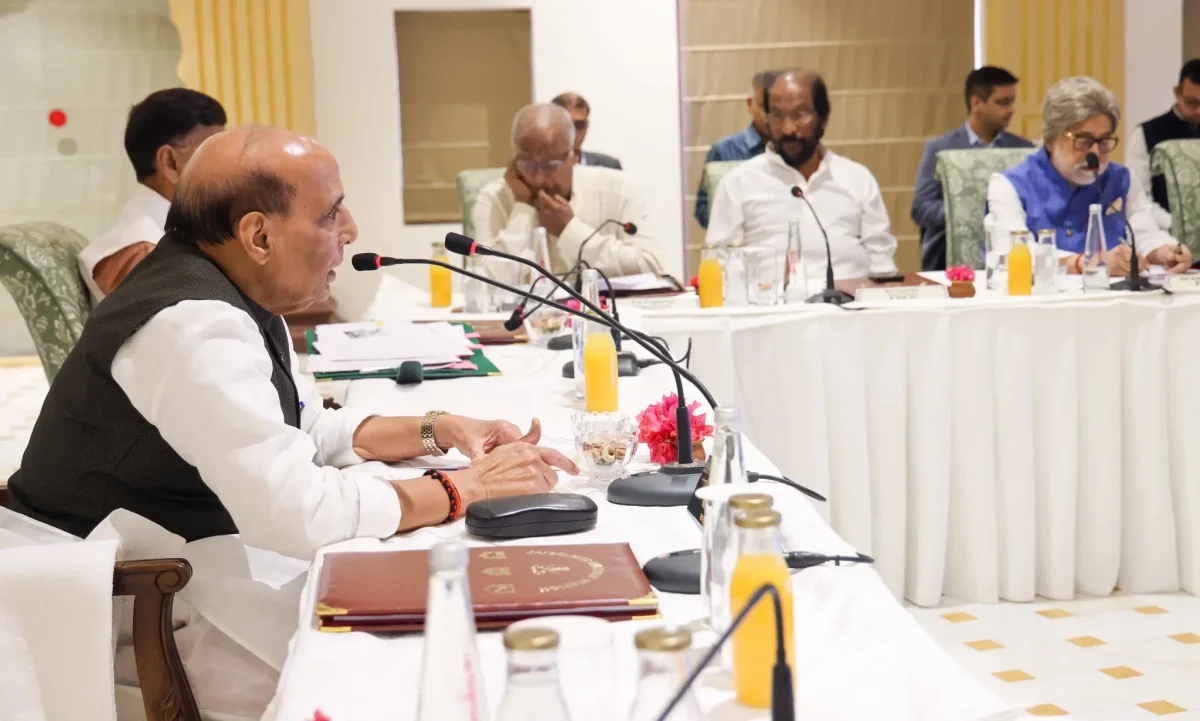
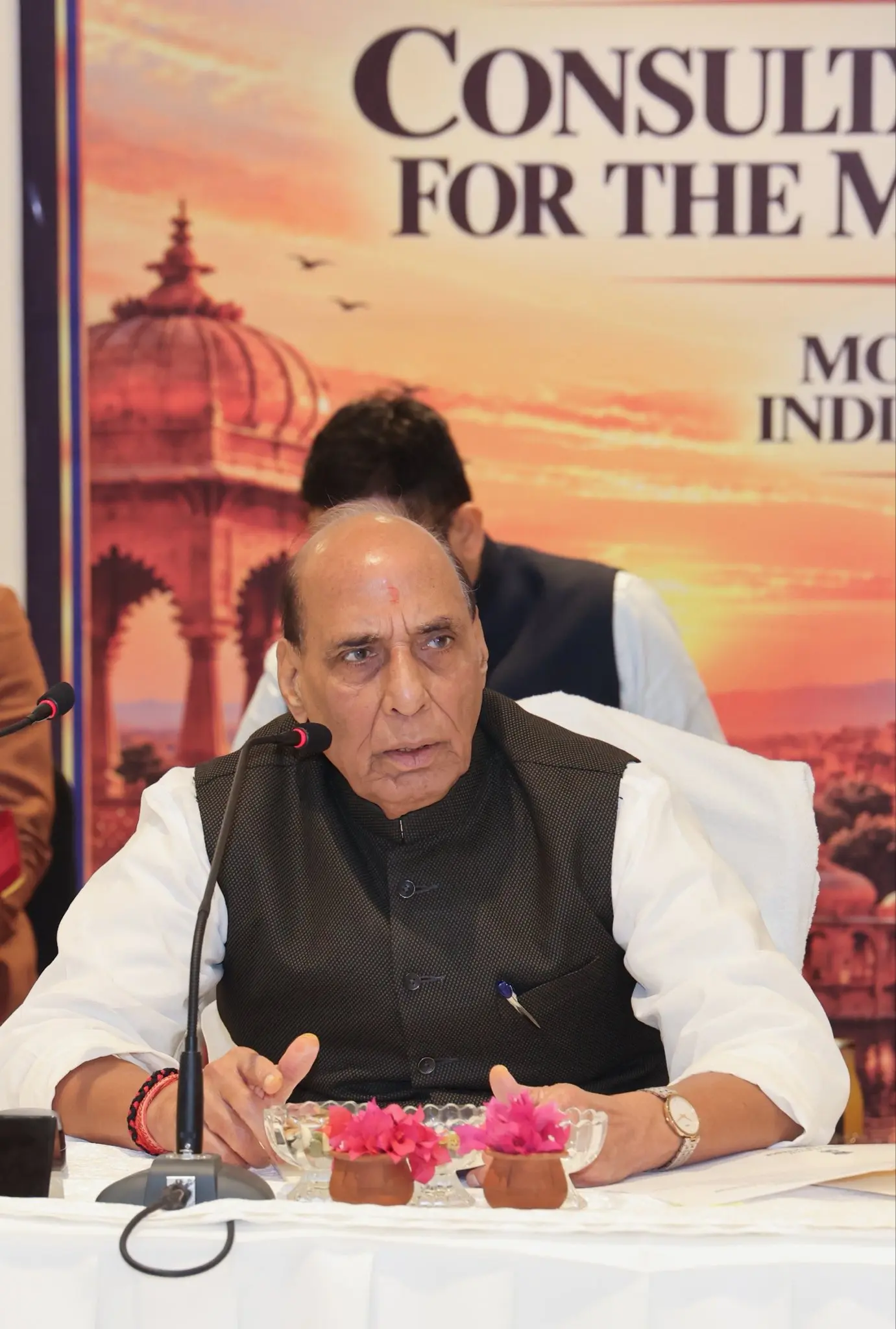
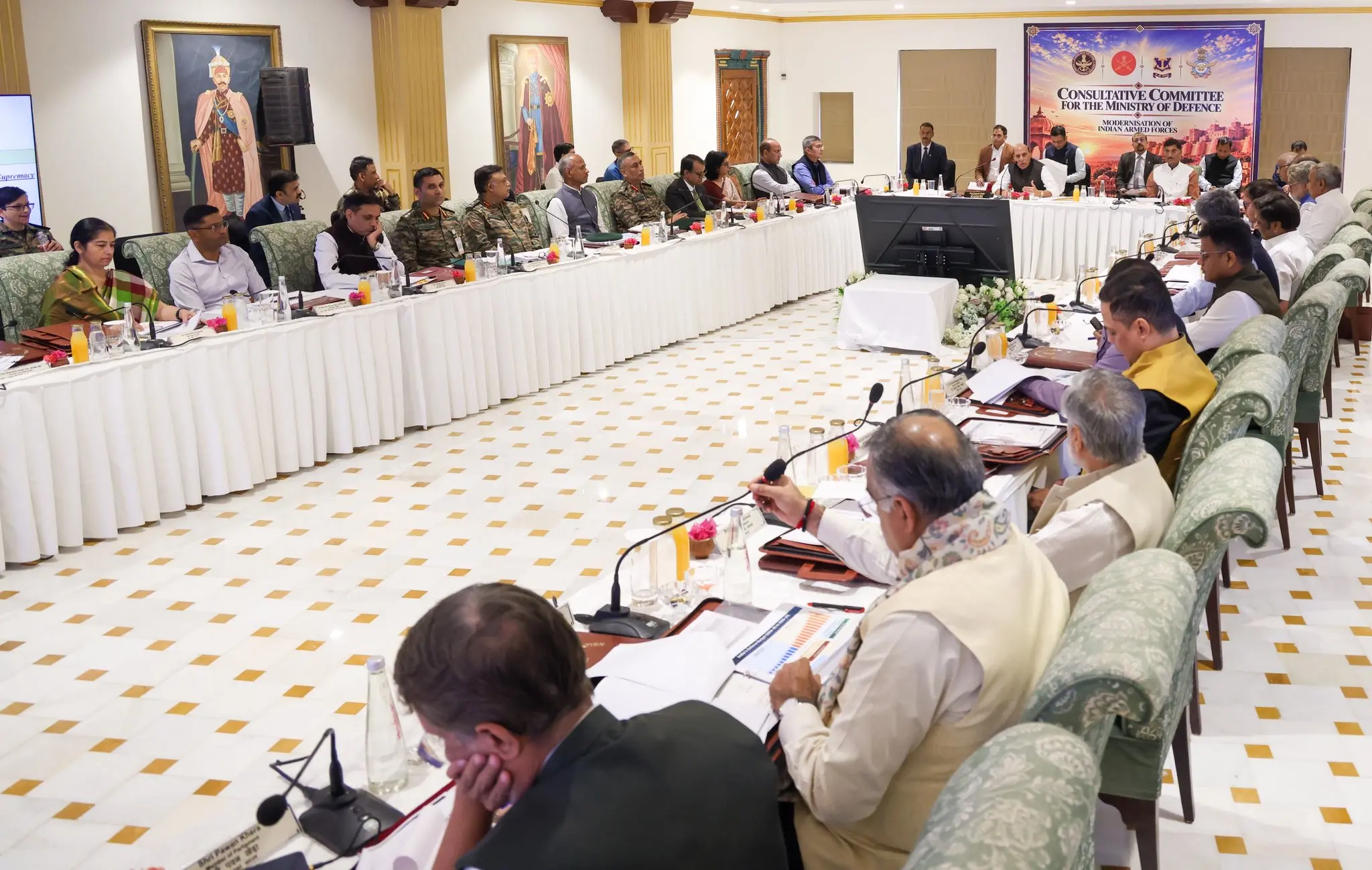
Defence Minister Rajnath Singh chaired the Consultative Committee of the Ministry of Defence in Jaisalmer, Rajasthan, on November 3, 2026, where the discussion centred on how the Indian Defence Forces are being prepared for a faster-changing security environment. The meeting brought together concerns linked to new forms of warfare, rapid technological change and the need for a force that can stay agile in operation and strong in capability.
Six areas guided the discussion
The committee reviewed six major themes: capability development and force modernisation, jointness and integration, indigenous defence manufacturing, emerging and disruptive technologies, defence research and innovation, and resource optimisation. According to the deliberations, the broad aim was to accelerate the introduction of next-generation platforms, weapon systems and technologies so that combat effectiveness and preparedness improve in step with evolving threats.
On capability development, the meeting stressed deeper tri-service integration and stronger joint operational planning. It also highlighted the need for coordinated use of military capabilities across multiple domains, along with closer collaboration between the Defence Forces, the Defence Research and Development Organisation (DRDO), Defence Public Sector Undertakings (DPSUs), private industry and academic institutions. The stated purpose was to move research and innovation more quickly into usable operational capability.
Emerging technologies received significant attention during the meeting. Artificial intelligence, autonomous systems, unmanned platforms, cyber, space, electronic warfare and advanced communications were all discussed in the context of future conflicts and increasingly complex operational environments. The source indicates that these technologies were viewed as central to preparing the armed forces for changing battlefield conditions.
Rajnath Singh highlights budget, production and self-reliance
Addressing the committee, Rajnath Singh said the government remains committed to building a technologically empowered military capable of responding to current and future challenges. He described the government’s approach through three linked dimensions: budget and capital acquisition with self-reliance, technology, and human capital.
He also pointed to the defence budget for the financial year 2026–27, which he said had been increased to a record Rs 7.85 lakh crore. Within that figure, Rs 2.19 lakh crore has been allocated as capital outlay for modernisation and capital procurement. He said that adequate financial resources, efficient use of funds and prioritisation of the three Services’ critical requirements are necessary for strengthening military capability.
Rajnath Singh further noted the growth in indigenous defence manufacturing. He said defence production had risen from Rs 46,429 crore in FY 2014–15 to a record Rs 1.78 lakh crore in FY 2025–26. He added that defence exports, which were below Rs 2,000 crore in 2014, had grown to approximately Rs 40,000 crore.
He set out the government’s next targets by stating, “We aim to achieve defence production worth Rs 3 lakh crore and defence exports worth Rs 50,000 crore by 2029.” He linked those goals to Make in India and Aatmanirbhar Bharat, saying both are important for strengthening the domestic defence industrial base and reducing dependence on foreign sources.
The Defence Minister said technology is reshaping modern warfare, and referred to DRDO’s work on advanced weapons, missiles and systems. He added that the government was providing a level playing field to private industry, and said the involvement of enterprises ranging from MSMEs to large corporations reflects a whole-of-the-nation approach to strengthening India’s defence capabilities.
Human capital and organisational change
Rajnath Singh also underlined that military strength depends not only on equipment and funding, but also on the capability, training and preparedness of personnel. He said the changing character of warfare requires the three Services to keep refining their structures and formations in line with evolving operational needs.
In that context, he referred to the Indian Army’s new formations, including the Asani, Bhairav and Shaktiban platoons, saying they are proving effective in meeting contemporary operational requirements and adapting to shifting battlefield dynamics. The source presents this as part of the broader effort to keep the force responsive to present-day demands.
He added that modernisation is not limited to the purchase of new weapons and equipment. It also includes improving operational preparedness, adopting advanced technologies and building indigenous capabilities over the long term. Strategic autonomy and domestic technological strength, he said, are essential for national security.
The meeting also covered sustained investment in research and development, greater participation by domestic industry, indigenous innovation and stronger coordination among stakeholders. Members of Parliament from the Lok Sabha and Rajya Sabha shared suggestions and perspectives during the deliberations, adding legislative and strategic input to the discussion.
By the end of the meeting, the emphasis was on prioritising critical capabilities, streamlining acquisition and development processes, improving institutional coordination and reviewing progress periodically against defined goals. The committee also stressed that modernisation should follow a structured and phased approach so that the effort produces measurable operational results.
More broadly, the objective highlighted in the meeting was to build a force able to respond effectively to conventional, sub-conventional and multi-domain security challenges while retaining technological superiority, operational agility and self-reliance.
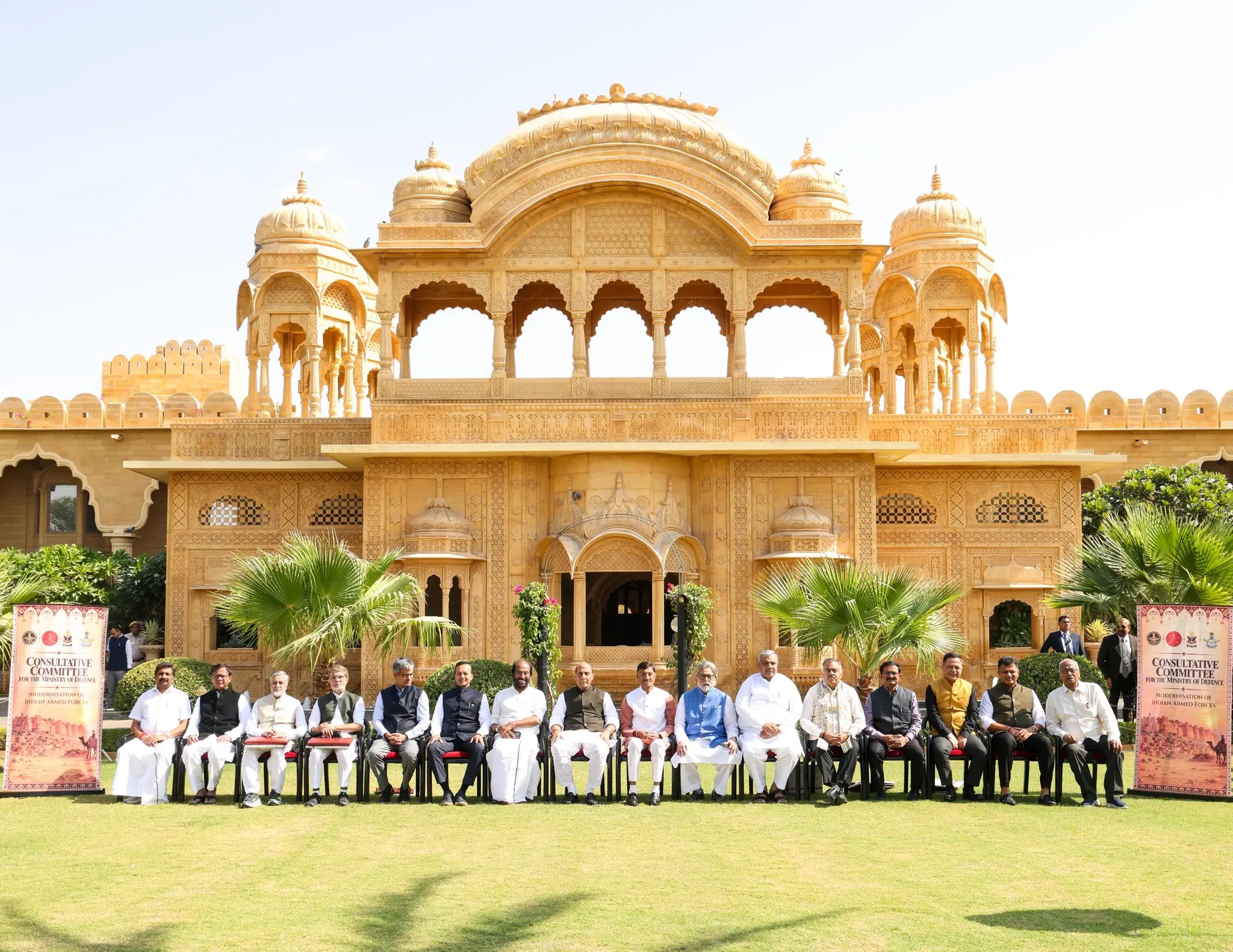
Raksha Rajya Mantri Sanjay Seth, Defence Secretary Rajesh Kumar Singh, Secretary (Defence Production) Sanjeev Kumar, Secretary (Ex-servicemen Welfare) Sukriti Likhi, Secretary (Defence Finance) Vishvajit Sahay and other senior civil and military officials attended the meeting.