In Current Affairs for 07 February 2026, we will see the latest national and international current affairs news. These important current affairs will be beneficial for your upcoming NDA, CDS, CDS OTA, AFCAT, TA, Agniveer Army, Agniveer Navy, Agniveer Air Force, Women Military Police, INET, MNS, ACC exams, SCO, PCSL, CAPF, and SSB interviews, and direct entries for Army, Navy, and Air Force like SSC Tech, TGC, JAG, NCC, TES, 10+2 Cadet. Download a PDF file about current events at the end of this article. Let us now see the Current Affairs.
Defence Current Affairs 07 February 2026
India Test-Fires Agni-III Missile, Global Geopolitics and Defence Updates
India and the world witnessed several significant strategic and diplomatic developments this week, ranging from missile tests and defence procurement to Arctic geopolitics and sensitive international negotiations.
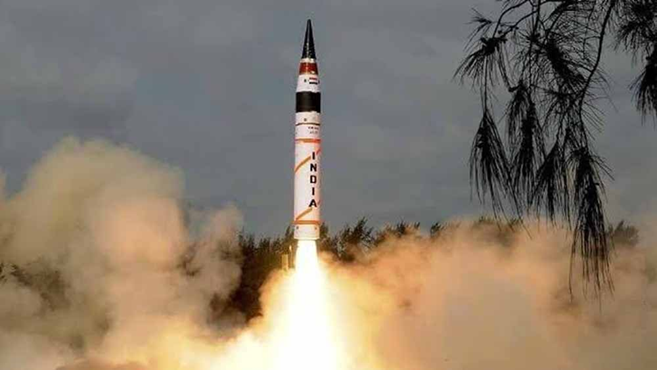
India Successfully Tests Agni-III Ballistic Missile
India has achieved another milestone in its strategic defence capabilities with the successful test-firing of the Agni-III intermediate-range ballistic missile. The launch was carried out from the Integrated Test Range and was conducted under the supervision of the Strategic Forces Command, which oversees the nation’s nuclear and strategic assets.
According to the Ministry of Defence, the missile met all planned mission objectives, confirming its operational readiness and technical reliability. During the test, the missile’s flight path, accuracy, and performance were closely monitored using advanced radar systems positioned along the eastern coast. Telemetry, electro-optical sensors, and tracking ships near the impact zone captured real-time data until the terminal phase.
The Agni-III, inducted into service in 2011 as an advancement over the Agni-II, has a strike range of over 3,000–3,500 kilometres. Measuring around 17 metres in length, it is capable of delivering a payload of up to 1.5 tonnes, making it a key component of India’s credible minimum deterrence strategy. The missile significantly strengthens India’s ability to respond to long-range threats in the region.
Canada and France Deepen Presence in Greenland
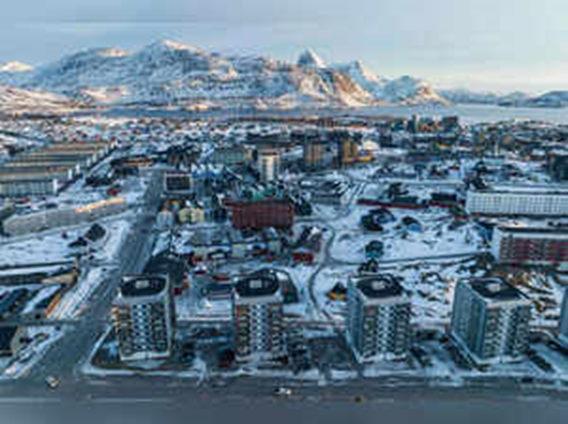
Amid growing global interest in the Arctic, Canada and France have moved to establish diplomatic missions in Greenland, signalling support for Denmark and highlighting the island’s rising strategic importance. Both countries announced the opening of consulates in Nuuk, Greenland’s capital.
Canadian Foreign Minister Anita Anand travelled to Nuuk to formally inaugurate Canada’s consulate, accompanied by Governor General Mary Simon, who has Indigenous roots. The move aims to enhance cooperation on climate change, Arctic governance, and Inuit community rights. France also made history by appointing Jean-Noël Poirier as consul general, becoming the first European Union nation to set up a consulate in Greenland.
Greenland has drawn increasing attention from the United States, primarily due to its strategic Arctic location. The island plays a crucial role in missile early-warning systems, hosts the Pituffik Space Base (formerly Thule Air Base), and sits along emerging Arctic shipping routes. Additionally, melting ice has exposed access to valuable natural resources such as rare earth minerals, oil, gas, and uranium—fueling geopolitical competition among major powers, including the U.S., China, and Russia.
India Begins Procurement of Low-Level Light-Weight Radars
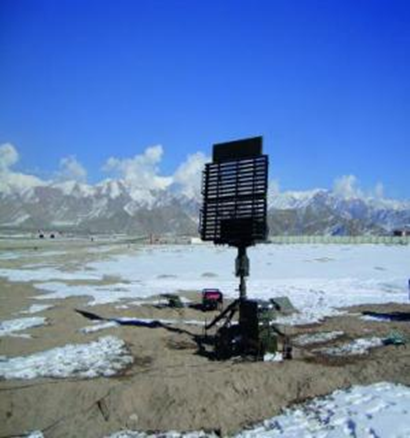
In another major defence initiative, the Indian government has initiated the procurement process for 30 Low-Level Light-Weight Radars (LLLRs) to strengthen the Army’s air-defence surveillance network. The Ministry of Defence has issued a Request for Proposal (RFP) under the ‘Buy (Indian)’ category.
The procurement includes 30 improved LLLRs (LLLR-I) and two classroom variants (CRVs), with an estimated project cost of around ₹725 crore. These radars are designed to detect low-flying aerial threats such as drones, helicopters, and aircraft, particularly in challenging terrains.
Participation in the bidding process has been limited to original equipment manufacturers (OEMs) or their authorised vendors, with preference given to OEMs when multiple bids are received for the same system. The move aligns with India’s focus on indigenous defence production and faster procurement under the fast-track mechanism.
Iran and the US Hold Indirect Talks in Oman
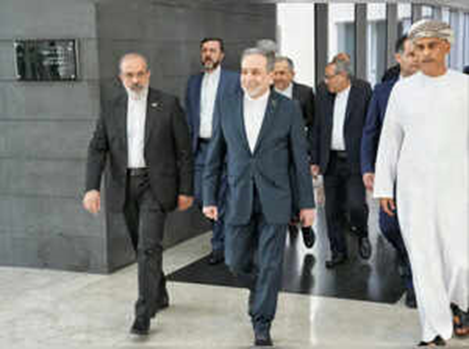
Meanwhile, Iran and the United States engaged in indirect negotiations in Oman, reopening dialogue on Tehran’s controversial nuclear programme amid heightened military tensions in the region. The talks, held in Muscat, marked a notable moment as the U.S. included its top Middle East military commander, Admiral Brad Cooper, head of U.S. Central Command.
The presence of Admiral Cooper underscored the seriousness of the situation, with U.S. naval forces, including the USS Abraham Lincoln, operating near Iranian waters. U.S. President Donald Trump described the talks as “very good” but maintained a firm stance, warning of severe consequences if Iran fails to reach a nuclear agreement.
Regional concerns remain high, as Gulf countries fear that any military escalation could trigger a wider conflict. Recent incidents—including the downing of an Iranian drone by U.S. forces and attempts to intercept shipping in the Strait of Hormuz—highlight the fragile security environment surrounding the negotiations.
Conclusion
From India’s advancing missile and radar capabilities to shifting alliances in the Arctic and delicate diplomacy in West Asia, these developments reflect a rapidly evolving global strategic landscape. Together, they underscore the growing importance of defence preparedness, geopolitical influence, and diplomatic engagement in shaping international security.
Review Questions
- The Agni-III ballistic missile was test-fired under the supervision of which
authority?
A. Defence Research and Development Organisation
B. Indian Air Force
C. Strategic Forces Command
D. Integrated Defence Staff
ANSWER: C - What is the approximate maximum range of the Agni-III missile?
A. 1,500 km
B. 2,000 km
C. 2,500 km
D. 3,500 km
ANSWER: D - Which two countries recently opened diplomatic consulates in Greenland?
A. United States and Germany
B. Canada and France
C. France and Norway
D. Canada and Sweden
ANSWER: B - The Low-Level Light-Weight Radars being procured by India are primarily
meant to strengthen which capability of the Army?
A. Naval surveillance
B. Space monitoring
C. Cyber defence
D. Air-defence surveillance
ANSWER: D - Why is Greenland strategically important to the United States?
A. Tourism potential
B. Agricultural expansion
C. Missile early-warning systems and Arctic access
D. Population growth
ANSWER: C - Which city is being transformed into India’s inaugural tri-service common
defence station?
A. Delhi
B. Bangalore
C. Mumbai
D. Chennai
ANSWER: C - What is the purpose of the MoU between RRU and Starburst Aerospace?
A. Enhance automotive technology
B. Advance aerospace, defence, and homeland security innovation
C. Develop renewable energy solutions
D. Promote agricultural research
ANSWER: B - What does the Transfer of Technology agreement b/w HAL and National
Aerospace Laboratories focus on?
A. Manufacture of agricultural equipment
B. Production of renewable energy systems
C. Development of automotive parts
D. Manufacture of the Bismaleimide Engine Bay Door for Light Combat Aircraft
Tejas Mk1A
ANSWER: D - Who Becomes First Woman Subedar Of Indian Army?
A. Havildar Preeti Rajak
B. Havildar Sucheta
C. Havildar Neha Tyagi
D. None
ANSWER: A - Exercise ‘SADA TANSEEQ’ Conducted b/w India &
A. Qatar
B. Oman
C. UAE
D. SAUDI ARABIA
ANSWER: D - INS Karmuk Is A
A. Destroyer
B. Missile Corvette
C. Submarine
D. Tank
ANSWER: B - Combat Air Teaming System (CATS) Is An Indian Unmanned & Manned
Combat Aircraft Air Teaming System Developed By
A. HAL
B. DRDO
C. JAXA
D. Boeing
ANSWER: A - Ex ‘Ekuverin’ Conducted B/W India &
A. Qatar
B. Oman
C. UAE
D. Maldives
ANSWER: D - Safran Manufactures Aircraft Engines, Rocket Engines MNC Comes From
A. Germany
B. France
C. Nepal
D. UK
ANSWER: B - ‘Praia’ Is The Capital Of
A. Costa Rica
B. Comoros
C. Cameroon
D. Cape Verde
ANSWER: D - “Roller Coaster: An Affair with Banking” Book Is Written By
A. Tamal Bandyopadhyay
B. Ranjan Gogoi
C. Manish Tiwari
D. Neha Sharma
ANSWER: A - UNDP Was Established In
A. 1965
B. 1975
C. 1985
D. 1995
ANSWER: A - Lamitye Exercise Held B/W India And___?
A. Thailand
B. USA
C. Qatar
D. Seychelles
ANSWER: D - War Cry of THE MAHAR REGIMENT
A. Bharat Mata ki Jai
B. Bolo Hindustan Ki Jay
C. Jai Hind
D. Durga Mata Ki Jai
ANSWER: B - Yudh Abhyas Exercise Held B/W India And___?
A. Thailand
B. USA
C. Qatar
D. Seychelles
ANSWER: B
ALSO READ:
- Latest Daily Current Affairs and Defence Updates
- Latest Daily Current Affairs January 2026[DOWNLOAD PDF]
- Latest Daily Current Affairs November 2025[DOWNLOAD PDF]
- Latest Daily Current Affairs October 2025[DOWNLOAD PDF]
- Latest Daily Current Affairs August 2025[DOWNLOAD PDF]
- Latest Daily Current Affairs July 2025[DOWNLOAD PDF]
- Monthly Defence Current Affairs June 2025 [DOWNLOAD PDF]
- Monthly Defence Current Affairs May 2025 [DOWNLOAD PDF]
- Monthly Defence Current Affairs April 2025 [DOWNLOAD PDF]
- Monthly Defence Current Affairs March 2025 [DOWNLOAD PDF]
- Monthly Defence Current Affairs February 2025 [DOWNLOAD PDF]
- Monthly Defence Current Affairs January 2025 [DOWNLOAD PDF]
- Defence Current Affairs Year End Review 2024
- Monthly Defence Current Affairs November 2024 [DOWNLOAD PDF]
- Monthly Defence Current Affairs October 2024 [DOWNLOAD PDF]
- Monthly Defence Current Affairs September 2024 [DOWNLOAD PDF]
- Monthly Defence Current Affairs August 2024 [DOWNLOAD PDF]
- Monthly Defence Current Affairs July 2024 [DOWNLOAD PDF]
- Monthly Defence Current Affairs June 2024 [DOWNLOAD PDF]