




In Defence Current Affairs for 29 July 2026, we will see the latest national and international current affairs news. These important current affairs will be beneficial for your upcoming NDA, CDS, CDS OTA, AFCAT, TA, Agniveer Army, Agniveer Navy, Agniveer Air Force, Women Military Police, INET, MNS, ACC exams, SCO, PCSL, CAPF, and SSB interviews, and direct entries for Army, Navy, and Air Force like SSC Tech, TGC, JAG, NCC, TES, 10+2 Cadet. Download a PDF file about current events at the end of this article. Let us now see the Current Affairs.
Defence Current Affairs 29 July 2026
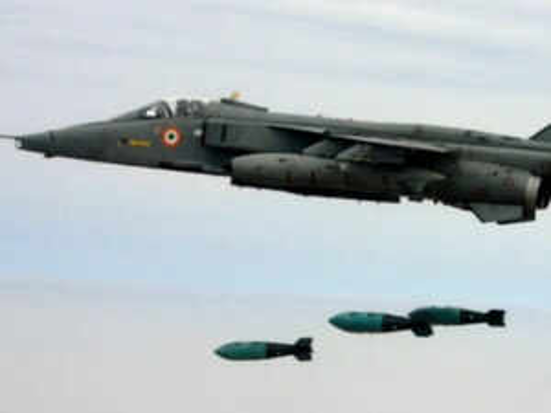
Apollo Micro Systems Selected by IAF for Indigenous Precision Range Extension Kit (IPREK)
In a major boost to India’s indigenous defence manufacturing programme, Apollo Micro Systems (AMS) has been shortlisted by the Indian Air Force (IAF) as a key development partner for the Indigenous Precision Range Extension Kit (IPREK). The project aims to convert conventional unguided bombs into long-range precision-guided weapons, significantly enhancing the Indian Air Force’s strike capability while reducing dependence on imported systems.
What is IPREK?
The Indigenous Precision Range Extension Kit (IPREK) is a bolt-on guidance and glide kit that can be attached to India’s existing inventory of 500 kg General Purpose (GP) bombs. Once integrated, the kit transforms these unguided bombs into precision-guided glide weapons capable of striking targets from a much greater distance.
The project has been sanctioned under the Make-II category of the Defence Acquisition Procedure (DAP) 2020, which encourages Indian companies to develop defence equipment using their own resources before induction by the armed forces.
Key Features
The IPREK system incorporates several advanced indigenous technologies, including:
- NavIC (Indian Regional Navigation Satellite System) for accurate navigation.
- Electro-Optical (EO) and Infrared (IIR) seekers for day and night precision targeting.
- Digital Scene Matching Area Correlation (DSMAC) guidance for operations even in GPS-denied environments.
The upgraded weapon is expected to achieve an engagement range of 80–100 km while maintaining an accuracy of approximately 3 metres from the intended target. This allows combat aircraft to release weapons from outside the engagement envelope of many enemy air defence systems.
Initial Procurement
The Indian Air Force plans to procure more than 500 IPREK units in the initial phase. The programme is expected to provide a cost-effective solution by upgrading existing bomb inventories instead of purchasing entirely new precision-guided munitions.
Significance
The selection of Apollo Micro Systems reflects India’s growing confidence in indigenous defence industries. The programme supports the government’s Aatmanirbhar Bharat initiative by promoting domestic technology development, reducing import dependence, and enhancing the operational effectiveness of the Indian Air Force.
Key Points
- Company: Apollo Micro Systems (AMS)
- Programme: Indigenous Precision Range Extension Kit (IPREK)
- User: Indian Air Force
- Category: Make-II under DAP 2020
- Range: 80–100 km
- Accuracy: Around 3 metres
- Navigation: NavIC-based guidance
- Initial Procurement: More than 500 units
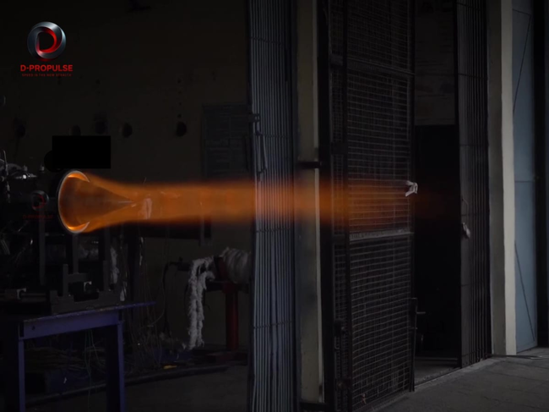
D-Propulse Demonstrates India’s First Indigenous 5 kN Air-Breathing Rotating Detonation Engine
Indian defence startup D-Propulse has achieved a major milestone in aerospace technology by successfully demonstrating the country’s first indigenously developed 5 kN air-breathing Rotating Detonation Engine (RDE) integrated with an aerospike nozzle. The achievement represents a significant advancement in India’s indigenous propulsion capabilities for future aerospace and defence applications.
What is a Rotating Detonation Engine?
A Rotating Detonation Engine (RDE) is an advanced propulsion system that generates thrust using continuous rotating detonation waves instead of the conventional combustion process used in traditional jet engines. This approach enables more efficient energy release, potentially resulting in:
- Higher fuel efficiency
- Greater thrust
- Reduced engine size and weight
- Improved overall propulsion performance
The demonstrated engine is integrated with an aerospike nozzle, a design that maintains high efficiency across a wide range of altitudes by automatically adapting to changing atmospheric pressure.
Demonstration Highlights
The indigenous engine successfully produced 5 kilonewtons (kN) of thrust, marking an important step in the development of next-generation propulsion technologies in India.
According to the company, the successful demonstration validates the engine’s performance in a relevant testing environment and highlights the potential of indigenous research and innovation in advanced aerospace systems.
Potential Applications
The technology has potential applications in several future aerospace platforms, including:
- High-speed unmanned aerial vehicles (UAVs)
- Advanced cruise missiles
- Next-generation aerospace propulsion systems
- Experimental high-speed aircraft
Further development and testing will be required before operational deployment, but the demonstration represents an important technological milestone for India’s indigenous defence ecosystem.
Significance
The successful demonstration positions India among the small group of countries actively developing advanced air-breathing detonation propulsion technology. It also strengthens the country’s indigenous research capabilities and supports long-term efforts to achieve self-reliance in advanced aerospace propulsion.
Key Points
- Company: D-Propulse
- Technology: Air-breathing Rotating Detonation Engine (RDE)
- Thrust: 5 kN
- Special Feature: Aerospike nozzle
- Achievement: First indigenous demonstration of its kind in India
- Potential Uses: UAVs, cruise missiles, and future aerospace platforms
- Significance: Boost to India’s indigenous propulsion and defence technology ecosystem.
Government Introduces Major Policy Reforms for the Indian Coast Guard
The Government of India has introduced two major policy reforms for the Indian Coast Guard (ICG) to improve gender inclusivity and simplify welfare measures for the families of personnel serving in challenging maritime conditions. Defence Minister Rajnath Singh announced the reforms as part of the government’s efforts to strengthen the Coast Guard ahead of its Golden Jubilee (Swarnim Jayanti) in 2027.
Background
The Indian Coast Guard is responsible for safeguarding India’s maritime interests, protecting the Exclusive Economic Zone (EEZ), preventing smuggling, conducting search and rescue operations, and responding to maritime emergencies. As the force prepares to complete 50 years of service, the government has introduced reforms aimed at making the organization more inclusive and efficient.
Gender-Neutral Recruitment and Career Growth
One of the key reforms introduces a gender-neutral induction policy for Coast Guard officers. Under the revised framework:
- Women are now eligible for both Short Service Appointment (SSA) and Permanent Appointment (PA) on par with male officers.
- Short Service Appointment has also been opened to eligible male candidates.
- Equal opportunities have been ensured for career progression from the initial training stage.
- Existing women officers holding Permanent Appointments will also be eligible for promotions to higher ranks, subject to meeting the prescribed criteria.
The policy is expected to encourage greater participation of women in maritime security while ensuring equal career opportunities within the force.
Simplified Ex-Gratia Benefits
The second reform focuses on supporting the families of Coast Guard personnel who go missing during operational duties at sea.
The new policy authorizes the declaration of personnel missing at sea while on duty as “presumed dead” for the purpose of granting ex-gratia financial assistance. This will simplify administrative procedures and enable the next of kin to receive benefits without prolonged delays.
Significance
These reforms represent an important step towards modernizing the Indian Coast Guard by promoting gender equality, improving personnel welfare, and strengthening operational efficiency. They also reflect the government’s commitment to building a future-ready maritime security force under the vision of Aatmanirbhar Bharat.
Key Points
- Organization: Indian Coast Guard (ICG)
- Announced By: Defence Minister Rajnath Singh
- Major Reforms: Gender-neutral recruitment and streamlined ex-gratia policy
- Objective: Improve inclusivity, welfare, and operational effectiveness
- Milestone: ICG to celebrate its Golden Jubilee in 2027
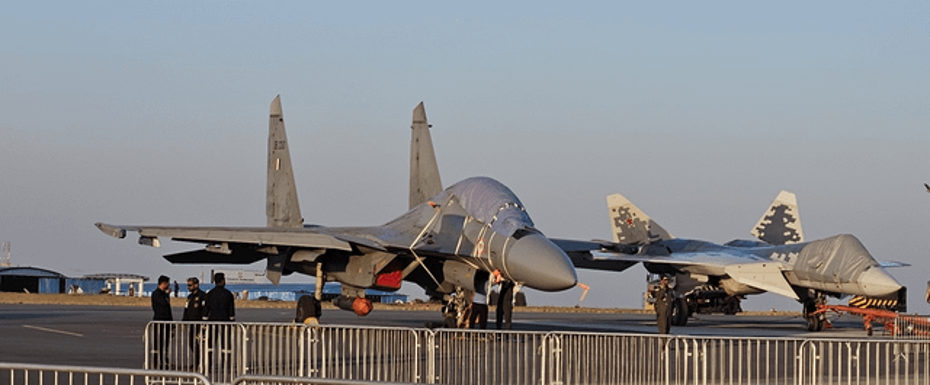
India Prioritises Su-30MKI Modernisation While Advancing Su-57 Discussions
India has decided to focus on the comprehensive modernization of its Su-30MKI fighter aircraft fleet instead of developing new variants of the platform. At the same time, discussions regarding the acquisition of the Russian Su-57 fifth-generation stealth fighter continue, reflecting India’s long-term strategy to strengthen its air combat capabilities.
Background
The Su-30MKI is the backbone of the Indian Air Force (IAF), with a fleet of nearly 260 aircraft. Introduced to meet India’s operational requirements, the multirole fighter has played a crucial role in maintaining air superiority and carrying out precision strike missions.
Rather than investing in new versions of the aircraft, India has chosen to upgrade the existing fleet with advanced indigenous technologies.
Key Highlights of the Upgrade Programme
The modernization programme will begin with 84 Su-30MKI aircraft, with deliveries expected between 2028 and 2030. In later phases, the upgrades are expected to cover nearly 200 aircraft.
The upgraded fighters will receive:
- Advanced Virupaksha Active Electronically Scanned Array (AESA) Radar.
- Improved avionics and mission computers.
- Modern electronic warfare systems.
- Enhanced weapon integration.
- Better flight control systems and operational capabilities.
A major feature of the upgrade is the indigenously developed Virupaksha AESA radar, which is designed to detect stealth aircraft at distances of up to 210 kilometres. The radar is expected to significantly improve target detection, tracking, and engagement capabilities.
Strategic Importance
The modernization programme will extend the operational life of the Su-30MKI fleet for many years while improving its effectiveness against emerging regional air threats. Simultaneously, India continues to evaluate future fifth-generation fighter capabilities, including the Russian Su-57, as part of its long-term air power strategy.
The decision reflects a balanced approach that combines the modernization of proven platforms with the exploration of next-generation combat aircraft.
Key Points
- Aircraft: Su-30MKI
- Operator: Indian Air Force
- Fleet Size: Around 260 aircraft
- First Upgrade Phase: 84 aircraft
- Delivery Timeline: 2028–2030
- Major Upgrade: Virupaksha AESA Radar
- Radar Detection Range: Up to 210 km
- Future Focus: Modernised Su-30MKI fleet alongside evaluation of fifth-generation fighter capabilities
Indian Army and IIT Jammu Sign MoU
- In a pivotal move aimed at enhancing India’s self-sufficiency in defense technology, the Indian Army’s Northern Command has entered into a strategic alliance with the Indian Institute of Technology (IIT) Jammu by signing a Memorandum of Understanding (MoU). This partnership is designed to propel mission-oriented defense research and innovation, supporting the government’s Atmanirbhar Bharat initiative.
- The MoU is set to meld the operational insights of the Indian Army with the academic prowess and research capabilities of IIT Jammu, tackling specific challenges faced by the Armed Forces with cutting-edge solutions. The initiative is poised to foster closer collaboration among military personnel, researchers, and academic institutions, thereby bolstering the technological self-reliance of India’s defense sector.
- The signing ceremony was attended by notable figures including Lieutenant General Pratik Sharma, the General Officer Commanding-in-Chief of Northern Command, along with Lieutenant General P.K. Mishra from the White Knight Corps. Senior officials from IIT Jammu, including Director Professor Manoj Singh Gaur, Deans Professor Bacham Eswar Reddy and Professor Durai Prabhakaran, were also present, alongside senior Army officers, faculty, and students.
- This agreement came during NAVARAMBH’26, an inaugural foundation course for IIT Jammu’s new academic session. Addressing the audience, Lieutenant General Sharma underscored the critical need for collaboration between the Armed Forces and academia to address emerging security challenges through technology-driven innovation. He urged researchers and students to engage actively with the military in developing practical solutions aimed at real-world operational problems.
- The General highlighted the fast-evolving nature of modern warfare, indicating that the future of defense capabilities hinges significantly on indigenous innovation and the integration of advanced technologies. The partnership is set to focus on mission-oriented research in specialized operational areas, creating indigenous systems that enhance operational efficacy while decreasing reliance on foreign technologies.
- Moreover, the collaboration provides students and researchers with the opportunity to contribute directly to national security through applied research. This aligns seamlessly with the Indian government’s vision of an AtmaNirbhar Bharat that fosters self-reliance in defense manufacturing and technological advancement.
- For the Indian Army, particularly the Northern Command—responsible for safeguarding some of India’s most strategically critical frontiers—leveraging innovative domestic technologies is vital for bolstering operational preparedness and capability. This collaboration with IIT Jammu is anticipated to expedite the development and implementation of solutions tailored to the unique challenges encountered in demanding operational contexts.
- The MoU signifies a crucial development in the increasingly synergistic relationship between India’s Armed Forces and its higher education institutions. By integrating military expertise, scientific research, and academic knowledge, this partnership underlines a shared commitment to innovation, self-reliance, and capability enhancement, ultimately contributing to a more robust and technologically advanced national defense framework.
Review Questions
- Apollo Micro Systems has been shortlisted by the Indian Air Force for the
development of which indigenous programme?
A) Akash-NG Programme
B) BrahMos-II Programme
C) Indigenous Precision Range Extension Kit (IPREK)
D) Astra Mk-III Programme
Answer: C) Indigenous Precision Range Extension Kit (IPREK) - The Indigenous Precision Range Extension Kit (IPREK) is being developed under
which category of the Defence Acquisition Procedure (DAP) 2020?
A) Make-I
B) Buy (Indian-IDDM)
C) Strategic Partnership Model
D) Make-II
Answer: D) Make-II - Which Indian defence startup successfully demonstrated India’s first indigenous 5
kN air-breathing Rotating Detonation Engine (RDE)?
A) ideaForge Technology
B) Solar Defence & Aerospace Ltd.
C) NewSpace Research & Technologies
D) D-Propulse
Answer: D) D-Propulse - The indigenous engine demonstrated by D-Propulse uses which advanced
propulsion technology?
A) Scramjet Engine
B) Ramjet Engine
C) Turbojet Engine
D) Air-breathing Rotating Detonation Engine (RDE)
Answer: D) Air-breathing Rotating Detonation Engine (RDE) - The Government recently introduced gender-neutral recruitment reforms for
which Indian maritime security force?
A) Indian Navy
B) Border Security Force (BSF)
C) Central Industrial Security Force (CISF)
D) Indian Coast Guard (ICG)
Answer: D) Indian Coast Guard (ICG) - Under the new Indian Coast Guard policy, women officers are now eligible for:
A) Only Short Service Appointment (SSA)
B) Only Permanent Appointment (PA)
C) Neither SSA nor PA
D) Both Short Service Appointment (SSA) and Permanent Appointment (PA)
Answer: D) Both Short Service Appointment (SSA) and Permanent Appointment (PA) - India has decided to strengthen its air power by modernising its existing fleet of:
A) MiG-29UPG
B) Rafale
C) Su-30MKI
D) Tejas Mk-1A
Answer: C) Su-30MKI - Which indigenous radar will serve as the centrepiece of the Su-30MKI upgrade
programme?
A) Uttam AESA Radar
B) Ashwini Radar
C) Rohini Radar
D) Virupaksha AESA Radar
Answer: D) Virupaksha AESA Radar - Exercises B/w The India And UK Is Called:
A. Desert Eagle
B. SLINEX
C. Indra
D. Indradhanush
ANSWER: D - ‘Nirdeshak’ Ship Is built by
A. MDL
B. GRSE
C. CSL
D. DRDO
ANSWER: B - Netaji Subhash Chandra Bose Island Is Located At
A. A&N
B. Ladakh
C. J&K
D. Puducherry
ANSWER: A - V. O. Chidambaranar Port Trust Is Located In
A. T.N
B. M.H
C. Goa
D. A.P
ANSWER: A - Full-Form of ATAGS Is
A. Adventure Towed Artillery Gun System
B. Advanced To Artillery Gun System
C. Advanced Towed Artillery Gun System
D. Advanced Towed Artillery Gum System
ANSWER: C - At Which Of The Following Places Is The Heavy Vehicles Factory Located?
A. Kanpur
B. Khadki
C. Avadi
D. 24 Paraganas
ANSWER: C - Georgetown Is The Capital Of
A. Brunei
B. Qatar
C. UAE
D. Guyana
ANSWER: D - “Prashata Ranvirta” Is A Motto Of
A. Jammu And Kashmir Rifles
B. Gorkha Regiment
C. Punjab Regiment
D. None
ANSWER: A - Exercises B/w India And Bangladesh Is Called:
A. GARUDA SHAKTI
B. SLINEX
C. SAMPRITI
D. Yudha Abhyas
ANSWER: C - Barrett M95 Is A
A. Sniper Rifles
B. Helicopter
C. ATAGS
D. ATGM
ANSWER: A - Astra Is A
A. Air-to-air Missile
B. Air-to-surface Missile
C. Air-to-sea Missile
D. None
ANSWER: A - Where Is The Hq Of The Southern Command of The IAF?
A. Kochi
B. Vishakhapatnam
C. Pune
D. Thiruvantpuram
ANSWER: D
ALSO READ:
- Latest Daily Current Affairs and Defence Updates
- Latest Daily Current Affairs June 2026[DOWNLOAD PDF]
- Latest Daily Current Affairs May 2026[DOWNLOAD PDF]
- Latest Daily Current Affairs April 2026[DOWNLOAD PDF]
- Latest Daily Current Affairs March 2026[DOWNLOAD PDF]
- Latest Daily Current Affairs February 2026[DOWNLOAD PDF]
- Latest Daily Current Affairs January 2026[DOWNLOAD PDF]
- Latest Daily Current Affairs November 2025[DOWNLOAD PDF]
- Latest Daily Current Affairs October 2025[DOWNLOAD PDF]
- Latest Daily Current Affairs August 2025[DOWNLOAD PDF]
- Latest Daily Current Affairs July 2025[DOWNLOAD PDF]
- Monthly Defence Current Affairs June 2025 [DOWNLOAD PDF]
- Monthly Defence Current Affairs May 2025 [DOWNLOAD PDF]


