




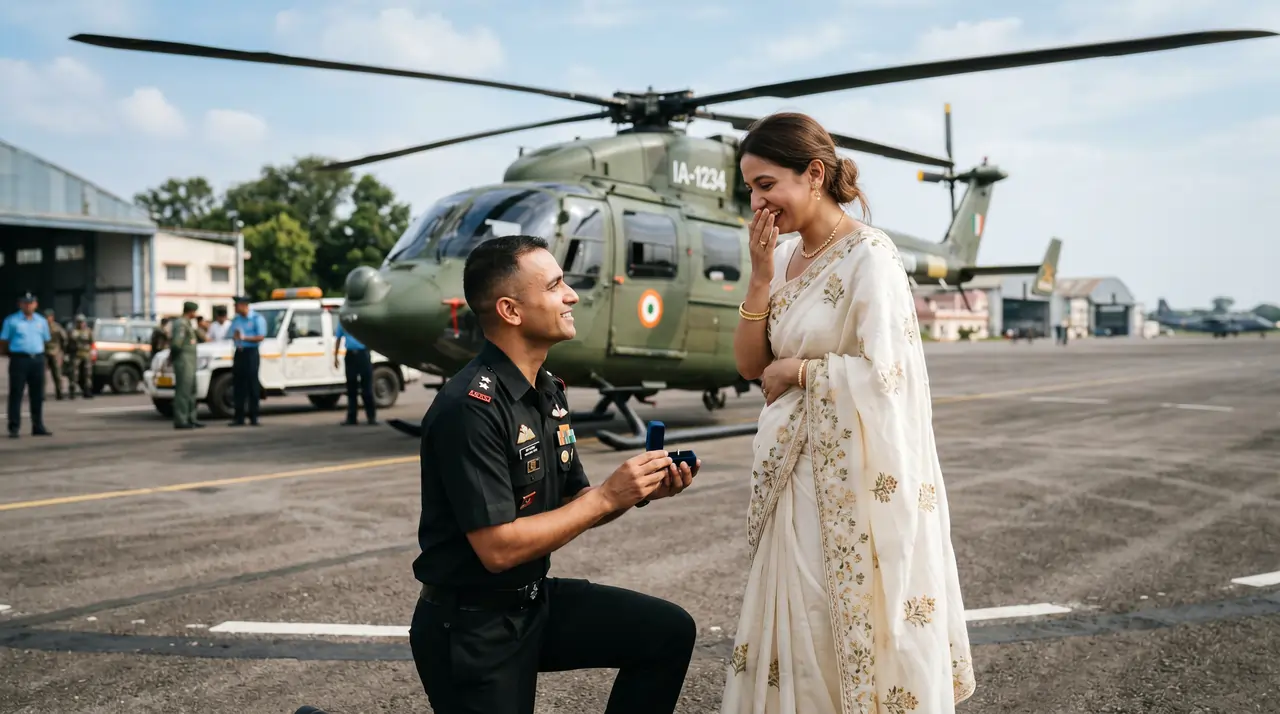
Indian Army officers, akin to their colleagues in the Navy and Air Force, navigate a unique blend of personal and professional life marked by significant milestones. The uniform they wear is more than just attire; it symbolizes the institution, its rich traditions, and the trust vested in them by the nation. As such, the question of whether to don the uniform during personal events such as proposals or weddings necessitates a thorough understanding of regulations and customs, emphasizing the need to maintain military decorum.
General Framework Governing Uniform Wear
The Indian Army’s policy on uniforms is delineated by the Army Dress Regulations alongside the broader Defence Services Regulations. These guidelines detail the occasions and standards for wearing different types of uniforms, which include combat, working, ceremonial (such as No. 1 Dress), and mess attire.
Authorized occasions for uniform wear encompass:
- Official duties and parades
- Ceremonial functions endorsed by the command hierarchy or government
- Specific personal or unit events that are formally recognized
Using the uniform for private purposes is not entirely unrestricted. Unauthorized or inappropriate use can lead to disciplinary action under the Army Act, 1950, as it might risk bringing disrepute to the service or misusing institutional symbolism. Personnel must follow strict regulations regarding uniform fit, accessories, grooming, and permitted adornments.
A recent reiteration of dress code rules by the Indian Army also highlighted a zero-tolerance policy for visible unauthorized religious symbols and jewellery. Female officers are allowed to wear a mangalsutra provided it is concealed, and only one ring is permitted on the left hand’s ring finger, with restrictions during certain parades.
Marrying in Uniform: Established Tradition
Officers in the Indian Army are permitted to marry in ceremonial uniform, a tradition many serving personnel choose to honor. Accounts from both current and retired officers, as well as standard practices across the Armed Forces, confirm that officers may wear full ceremonial attire—complete with appropriate headgear and medals—during wedding ceremonies and receptions. This is particularly prevalent within the Indian Navy but is also observed within the Army and Air Force.
Key protocols include:
- Permission: Officers should inform or seek approval from their Commanding Officer or appropriate authority, especially if the wedding involves unit resources or public visibility. Requests for permission are typically approved to honor significant personal milestones.
- Dress Compliance: The uniform must be worn precisely as defined. Religious items must be concealed when required, and the overall appearance should reflect high standards of grooming.
- Nature of the Event: While weddings are private, wearing the uniform can lend an official character to the event from the military’s perspective, often signifying pride in the profession.
Female officers have the same options and regulations, having the choice between uniform or traditional attire, and must adhere to similar rules concerning jewellery.
Proposing in Uniform: Contextual Sensitivity
While officers can propose while in uniform during private settings, the context is crucial. The use of military premises, which carry institutional weight, must not compromise decorum or create perceptions of impropriety.
An illustrative incident involved Captain Bharat Bhardwaj, who proposed to his fiancée next to a helicopter immediately following a formal ceremony at the Combat Army Aviation Training School. While the act appeared romantic, authorities deemed the timing and location inappropriate, highlighting concerns regarding military decorum and protocol. The Army addressed the incident, indicating that the act might necessitate a show-cause notice.
Additional Regulations Regarding Marriage
Commissioned officers are required to obtain formal approval to marry. Procedures are usually straightforward for marriages to Indian nationals meeting set criteria, but additional scrutiny applies to foreign nationals or specified categories. The Armed Forces support and encourage “in-service” marriages, especially between officers, with policies that aim to keep couples together operationally where feasible.
Restrictions are more stringent for those enlisted under the Agnipath scheme, especially regarding marriage during their engagement period.
Conclusion and Guidance for Aspirants
Indian Army officers can marry in ceremonial uniform, provided they follow regulations and secure the necessary approvals. Although proposing in uniform is not explicitly forbidden, it requires careful judgment concerning context to avoid potential perceptions of impropriety.
The uniform represents a privilege earned through dedication and service. Using it to mark significant life events—when done with dignity and strict adherence to prescribed standards—uplifts rather than detracts from the service’s prestige. Aspirants preparing for the SSB and commissioning must learn to balance personal fulfillment with institutional discipline.
Officers are encouraged to consult their chain of command, adhere closely to dress regulations, and ensure that personal celebrations reflect the values inherent to the uniform: honor, integrity, and selfless service.


