In Monthly Defence Current Affairs for April 2026, we will see the latest national and international current affairs news. These important current affairs will be beneficial for your upcoming NDA, CDS, CDS OTA, AFCAT, TA, Agniveer Army, Agniveer Navy, Agniveer Air Force, Women Military Police, INET, MNS, ACC exams, SCO, PCSL, CAPF, and SSB interviews, and direct entries for Army, Navy, and Air Force like SSC Tech, TGC, JAG, NCC, TES, 10+2 Cadet. Download a PDF file about current events at the end of this article. Let us now see the Current Affairs.
Monthly Defence Current Affairs April 2026
IAF to Get 2 Mountain Radars in Rs 1,950 cr Deal
- The defence ministry inked a Rs 1,950 crore contract with state-run Bharat Electronics Limited for the procurement of two mountain radars and related infrastructure for the Indian Air Force.
- The installation and commissioning of these radars will boost the country’s air defence and strengthen national security, the ministry said, adding the procurement will also reduce the dependency on foreign equipment.
- “The Ministry of Defence has inked a major capital acquisition contract with Bharat Electronics Limited (BEL) for the procurement of two mountain radars, including associated equipment and required infrastructure for the Indian Air Force, at a cost of around Rs 1,950 crore,” an official statement said.
- This mountain radar is indigenously designed and developed by Electronics and Radar Development Establishment of DRDO and will be manufactured by BEL.
Indian Navy Gets three GRSE- Built Ships
- Defence PSU Garden Reach Shipbuilders and Engineers Ltd (GRSE) delivered three frontline platforms to the Indian Navy, marking a significant milestone for indigenous defence manufacturing, an official said.
- The warship-maker delivered to the Navy the advanced guided missile frigate ‘Dunagiri‘, the survey vessel ‘Sanshodhak‘, and anti-submarine warfare shallow watercraft ‘Agray‘, he said.
- ‘Dunagiri’, the second advanced guided missile frigate built by GRSE under Project 17A, is among the most sophisticated platforms built by the Kolkata-based PSU, the official said in a statement.
- The 149-metre-long, 6,670-tonne guided-missile frigate is equipped with state-of-the-art weapons and sensors, including advanced missile systems and an integrated combat management system, enabling multi-dimensional operations across air, surface, and sub-surface domains, he said.
- “Equipped with BrahMos anti-ship and land-attack cruise missiles, along with advanced defence systems, Dunagiri represents a significant leap in naval strike and defensive capabilities”.
- ‘Sanshodhak‘, the last of the four large survey vessels built by GRSE, represents a key addition to the Navy’s hydrographic and survey capabilities.
- The 110-metre-long vessel is equipped with advanced systems for conducting full-scale coastal and deep-water hydrographic surveys, including port and harbour approaches, navigation channels, and maritime limits.
- ‘Agray’, one of the eight anti-submarine warfare shallow watercrafts (ASW-SWCs) being built by GRSE, is designed for operations in coastal waters.
- It is capable of full-scale sub-surface surveillance, search and attack missions, as well as coordinated operations with aircraft, and is armed with lightweight torpedoes and anti-submarine warfare rockets, the official said.
India To Deploy Fourth S-400 System In Rajasthan
- India is set to receive its fourth S-400 Triumf air defence system by the end of April, with deployment planned in the Western sector, most likely Rajasthan. An Indian Air Force team has already arrived in Russia to inspect the system before delivery.
- The fifth system is expected to be deployed by November, following the Defence Acquisition Council’s approval of five additional units. This will eventually raise India’s total inventory to ten S-400 systems, doubling the original order placed in 2018.
- The acquisition process for such systems is tightly regulated. It begins with a statement of case outlining operational requirements, followed by scrutiny from the Defence Procurement Board. The proposal then moves to the Defence Acquisition Council for Acceptance of Necessity.
- After this, cost negotiations are undertaken with the vendor, financial approval is secured, and final clearance is granted by the Cabinet Committee on Security. This layered process ensures oversight and accountability at every stage.
- The deployment of S-400 units at Adampur and Bhuj created a formidable deterrent, showcasing India’s growing air defence capabilities. With additional systems on the way, India is set to significantly strengthen its aerial shield against cross-border threats.
Exercise Dweep Shakti 2026
- Exercise Dweep Shakti 2026 was a high-intensity, tri-service military drill conducted by India’s Andaman and Nicobar Command (ANC) from March 24–28, 2026. It validated integrated rapid-response capabilities, focusing on amphibious assaults, maritime dominance, and beach landing drills to strengthen the security of India’s island territories.
Key Details of Exercise Dweep Shakti:
- Participants: Combined forces from the Indian Army, Navy, Air Force, and Coast Guard, including Special Forces.
- Location: Andaman and Nicobar Islands, strategically crucial for monitoring maritime routes.
- Objectives: To demonstrate synergy in multi-domain operations (land, sea, air) and enhance interoperability between the three services.
- Operations: Included maritime dominance patrols, complex beach landings with heavy equipment, and amphibious assaults to secure coastal areas.
- Technology: Deployed next-generation equipment, drones, and AI-enabled sensors for real-time battlefield awareness.
INS Malwan Delivered
- India has taken delivery of ‘Malwan’, the second of eight anti-submarine warfare shallow water craft (ASW SWC) built by Cochin Shipyard Limited, Kochi, on March 31, 2026, marking another step in strengthening indigenous naval capabilities.
- Designed and constructed in India to naval specifications and in line with DNV classification rules, the vessel underscores the country’s push for self-reliance, with over 80% indigenous content.
- These vessels are compact yet potent platforms designed to detect, track and neutralise underwater threats close to India’s coastline. ‘Malwan’ is the second vessel in a planned series of eight under a Ministry of Defence-approved programme aimed at replacing older Abhay-class corvettes and modernising the naval fleet.
- Named after the historic coastal town of Malwan in Maharashtra, associated with Chhatrapati Shivaji Maharaj’s maritime legacy, the ship also carries forward the lineage of the erstwhile INS Malwan, a minesweeper that served until 2003.
- Length: Around 80 metres
- Displacement: About 1,100 tonnes
- Propulsion: Waterjet system for high agility
- Weapons: Lightweight torpedoes and anti-submarine rockets
- Sensors: Advanced sonar systems and radars
- Operations: Anti-submarine warfare, mine warfare and surveillance
- ‘Malwan’ follows INS Mahe, delivered in October 2025, as part of an eight-vessel series that includes Mahe, Malwan, Mangrol, Malpe, Mulki, Munroe, Makkah and Mandavi. This fleet is expected to play a key role in strengthening India’s coastal defence network.
New Vice Chief of Army Staff
- Lieutenant General Dhiraj Seth, who helmed the Southern Command during Operation Sindoor last year, took charge as the Vice Chief of the Army Staff. The decorated military officer succeeds Lt Gen. Pushpendra Singh.
- Lt Gen. Seth served as the 51st general officer commanding-in-chief of the elite Southern Command from July 1, 2024, to March 31 this year. When India carried out Operation Sindoor — the decisive military action in the wake of the Pahalgam terror attack — last year, Lt Gen. Seth was at the helm of the Southern Command.
BEL Secures ₹6,795 Crore Orders
- Bharat Electronics Limited (BEL), a Navratna Defence Public Sector Undertaking, has secured fresh orders totalling ₹6,795 crore, bolstering its order book since the previous disclosure on 30 March 2026.
- The company made this announcement via a press release filed under Regulation 30 of the SEBI (Listing Obligations and Disclosure Requirements) Regulations, 2015. This influx of contracts underscores BEL’s pivotal role in India’s defence ecosystem.
- The order portfolio encompasses a wide array of defence equipment and services. Key highlights include mountain radars supplied to the Ministry of Defence, avionics packages for the Light Combat Aircraft (LCA) from HAL and a major export order for communication equipment.
- Additional components comprise electronic fuses for advanced ammunition, strategic elements for vital defence applications, upgrades for legacy systems, and comprehensive spare parts with maintenance services.
INS Shachi Launched, ICGS Achal Delivered
- Goa Shipyard Limited (GSL), a leading Defence Public Sector Undertaking under India’s Ministry of Defence, has achieved a remarkable dual milestone that bolsters the nation’s maritime prowess.
- On 31 March 2026, the shipyard in Vasco da Gama, Goa, ceremonially launched the Next Generation Offshore Patrol Vessel (NGOPV) INS Shachi (Yard 1280) for the Indian Navy.
- This event was swiftly followed by the successful delivery of the Indian Coast Guard Ship (ICGS) Achal (Yard 1274) to the Indian Coast Guard.
- The launch of INS Shachi, a pivotal asset in the Indian Navy’s NGOPV programme, was gracefully performed by Smt. Shagun Sobti.
- Over the past 600 days, GSL has launched 14 vessels, achieving an average of one launch every 40 to 43 days. This extraordinary pace demonstrates the yard’s bolstered industrial capacity, optimised processes, and steadfast dedication to delivering intricate maritime platforms on schedule.
- Both vessels embody India’s escalating prowess in indigenous defence manufacturing. ICGS Achal boasts over 65 per cent indigenous content, while INS Shachi integrates approximately 76 per cent local components.
- These include indigenous designs, cutting-edge engineering, and systems procured from Indian industries.
Indian Navy Commissions INS Aridhaman
- The Indian Navy commissioned its indigenous nuclear-powered submarine, INS Aridhaman, a crucial development in building national defence capabilities which was earlier teased by Defence Minister Rajnath Singh.
- The development was hinted at by Singh in a post on X, where he described the submarine as more than just a name, calling it a symbol of power. “Not just a word, ‘Aridhaman’ is power!,” said the post.
- INS Aridhaman is an advanced version of the Arihant-class submarines, following earlier inductions such as INS Arighaat in August 2024 and INS Arihant in 2016. Its commissioning marks another step forward in strengthening India’s nuclear triad and maritime deterrence.
- INS Aridhaman is a 7,000-tonne vessel, making it larger and more advanced than its predecessors INS Arihant and INS Arighaat. It was built under the Advanced Technology Vessel programme at Visakhapatnam and represents a key milestone in India’s indigenous defence capabilities.
- The submarine features advanced indigenous sonar systems and acoustic suppression technologies, improving its underwater detection and survivability. INS Aridhaman is fitted with eight vertical launch system tubes, allowing it to carry up to 24 K-15 Sagarika missiles with a range of 750 km or eight K-4 missiles with a range of 3,500 km.
- With the induction of INS Aridhaman, India will operate three nuclear-powered ballistic missile submarines under the Strategic Forces Command. It is expected to be based at Project Varsha near Visakhapatnam, a high-security naval facility designed to house India’s nuclear fleet.
BRO’s Project Chetak celebrates 47th Raising Day
- Project Chetak of the Border Roads Organisation (BRO) celebrated its 47th Raising Day at Bikaner, Rajasthan on April 04, 2026, marking over four decades of dedicated service in the strategically important regions of the western sector.
- Raised on this day in 1980, the project has played a vital role in developing and maintaining infrastructure in Rajasthan, Punjab and northern parts of Gujarat, thereby connecting border areas & contributing to national security as well as regional development.With its motto ‘Chetak ka Prayas, Desh ka Vikas’, Project Chetak is one of the largest projects of the BRO in terms of geographical area, covering more than 4,000 kms of road network and 214 kms of Ditch Cum Bund.
- It supports the Defence Forces by maintaining key feeder roads towards the International Border with continuous efforts underway to upgrade them to National Highway Double Lane specifications.
Suryastra Rocket Launcher
- India’s Suryastra multi-calibre rocket launcher system has successfully cleared pre-contract trials, demonstrating exceptional accuracy with a circular error probable (CEP) of less than 5 metres.
- Developed by Pune-based NIBE Limited in collaboration with Israel’s Elbit Systems, the system draws on the proven PULS architecture. Suryastra boasts impressive versatility, capable of firing 122mm, 306mm, and 370mm rockets, as well as Sky Striker loitering munitions.
- Its operational range extends up to 300 km, providing significant standoff capability for precision strikes. A ₹293 crore contract has already been signed, underscoring the urgency and confidence in the system’s readiness.
India–Egypt Joint Special Forces Exercise “Cyclone-IV”
- India continues to expand its global defence cooperation as an Indian Army contingent has departed to participate in the fourth edition of the India–Egypt Joint Special Forces Exercise, Cyclone-IV. The exercise is being held in Egypt from 9 to 17 April 2026.
- The contingent, comprising around 25 personnel from special forces units, will train alongside Egyptian troops in realistic operational conditions. The exercise is designed to improve joint planning, coordination, and interoperability between the two armies.
- Training activities will focus on advanced special operations techniques, particularly suited for desert and semi-desert environments. Such exercises help both nations exchange tactical knowledge and enhance their readiness for complex missions.
- Beyond military training, Cyclone-IV also plays an important role in strengthening mutual trust, cultural understanding, and defence ties between India and Egypt. It reflects the growing strategic partnership between the two countries in the field of defence cooperation.
CRPF Valour Day
- Union Home Minister and Minister of Cooperation, Shri Amit Shah paid tribute to the martyrs of the Central Reserve Police Force (CRPF) on the occasion of CRPF Valour Day.
- CRPF Valour Day, known as Shaurya Diwas, is celebrated annually on April 9 to honour the extraordinary courage of the CRPF on this day in 1965.
- A small contingent of 2nd Battalion CRPF at Sardar Post in Gujarat’s Rann of Kutch repulsed a massive Pakistani brigade attack, killing 34 soldiers and capturing four, while sacrificing 6-7 soldiers.
India Approves Indigenous Runway-Independent UAV Project
- India has taken a significant step towards strengthening its indigenous defence capabilities by approving the development of a runway-independent Unmanned Aerial Vehicle (UAV) for the Indian Air Force. This advanced project is aimed at enhancing both combat search and rescue (CSAR) operations and logistics support in challenging terrains.
- Project OverviewThe newly approved UAV project focuses on designing a highly capable unmanned system that can operate without the need for conventional runways. This makes it especially useful in remote and difficult environments such as mountainous regions and high-altitude zones.The initiative has been cleared under the Defence Acquisition Procedure (DAP) 2020, reflecting India’s commitment to promoting indigenous defence technologies and reducing dependence on foreign systems.
- Key Features and Capabilities
- The UAV is expected to incorporate cutting-edge technologies and advanced operational capabilities:
- Ability to operate from unprepared surfaces, including rough terrainCapable of functioning at altitudes up to 16,000–20,000 feet
- Minimum range of 200 km with a loiter time of about 45 minutesPayload capacity of around 400 kg, including stretchers and personnelEquipped with autonomous systems for take-off, navigation, and landingOperational even in GPS-denied environments
- These features will enable the UAV to perform missions such as rescuing stranded personnel and transporting essential supplies in extreme conditions.
- Role in Combat and LogisticsOne of the primary roles of this UAV will be combat search and rescue missions, allowing the military to recover injured or stranded personnel without risking manned aircraft. This is particularly crucial during wartime or emergency situations.
- Additionally, the UAV will serve as a logistics platform, capable of delivering supplies to forward bases and remote locations where traditional helicopters may face operational limitations.
- Indigenous Development Model
- The project is categorized under the ‘Make-I’ framework, which encourages domestic companies to lead development:Government funding: 70% of development costIndustry contribution: 30% Final procurement under Buy (Indian-IDDM) category
- This ensures that a significant portion of the system is designed, developed, and manufactured within India, supporting the vision of Aatmanirbhar Bharat.
- Strategic Importance
- This initiative aligns with global trends where unmanned systems are becoming central to modern warfare. The UAV is expected to:
- Enhance operational readiness of the Indian Air Force
- Reduce risks to human pilots in dangerous missionsStrengthen indigenous defence manufacturing ecosystem
- Promote innovation among Indian startups and defence companies
Mission Mitra
- India’s journey towards human spaceflight is gaining momentum with Mission Mitra, a unique initiative showcasing how the country is preparing its astronauts for extreme space conditions. Recently, Indian astronaut Shubhanshu Shukla shared glimpses from this mission being conducted in Leh, Ladakh, highlighting the rigorous training and scientific efforts behind India’s upcoming space missions.
- ❄️ What is Mission Mitra?Mission Mitra (Mapping of Interoperable Traits and Response Assessment) is a large-scale behavioural study designed to prepare astronauts for human spaceflight.It is jointly developed by Indian Space Research Organisation (ISRO) and the Institute of Aerospace Medicine.The mission focuses on understanding how astronauts behave under stress, isolation, low oxygen, and extreme cold.
- It is India’s first major effort to study the human side of space missions at such a scale.
- 🏔️ Why Leh Was ChosenLeh provides a natural environment that closely simulates space-like conditions:
- High altitude (~3,500 meters) leads to low oxygen levels Freezing temperatures and harsh terrain test physical endurance Isolation helps simulate psychological stress faced in space These conditions make Leh an ideal “earth-based laboratory” for astronaut training.
- 👨🚀 Role of Shubhanshu ShuklaGroup Captain Shubhanshu Shukla is at the center of this mission:A key astronaut associated with India’s Gaganyaan programme Has extensive flying and space experience Shared real-time visuals from Leh, offering insights into India’s preparation efforts He represents a new generation of Indian astronauts preparing for long-duration human space missions.
·
- 🧠 Focus on Human Behaviour in SpaceUnlike traditional missions that focus on rockets and technology, Mission Mitra emphasizes:Mental resilience under pressure Decision-making ability in extreme conditions Team coordination and performance The mission studies how astronauts and ground teams function together when pushed to their limits.
·
- 🚀 Link with Gaganyaan MissionMission Mitra is a crucial step toward India’s first human spaceflight programme, Gaganyaan:Helps in astronaut selection and training Improves crew safety and mission readiness Provides real-world data for better mission planning While spacecraft and rockets prepare the hardware, Mission Mitra prepares the human component, ensuring astronauts are fully ready for space challenges. 🌍 Significance for IndiaStrengthens India’s position in global human space exploration Builds indigenous capability in astronaut training Demonstrates scientific innovation using local environments like Ladakh
Indian Army Showcases Apache “Tank in Air” Power During Brahmastra Drill
- The Indian Army demonstrated its cutting-edge combat capabilities during the ‘Brahmastra’ desert exercise at the Pokhran Firing Range in Rajasthan. The highlight of the drill was the display of the powerful Apache attack helicopters, often referred to as “tanks in the air,” showcasing India’s growing military strength and modernization.
- 🔥 Brahmastra Exercise: A Display of Firepower
- The exercise involved live firing operations in a simulated battlefield environment.
- Conducted at Pokhran Field Firing Range, Rajasthan
- Focus on real combat simulation and operational readiness
- Demonstrated coordination between aircrew and ground forces
- The drill highlighted India’s shift towards high-precision, network-centric warfare, where technology and coordination play a decisive role.
·
- 🚁 Apache Helicopters: “Tanks in the Air”At the center of the exercise was the Boeing AH-64 Apache, one of the world’s most advanced combat helicopters.Key capabilities:Equipped with a 30 mm chain gun Can launch AGM-114 Hellfire anti-tank missiles Carries Hydra rockets for area attacks Advanced Longbow radar and night-vision systems Capable of all-weather, day-and-night operations During the drill, Apache helicopters executed precision strikes, accurately destroying designated targets in desert conditions.
·
- 🎯 Focus on Precision & CoordinationThe Brahmastra exercise was not just about firepower—it emphasized:Pilot training and mission planning Continuous simulator-based preparation Strong coordination between technical teams and pilots According to military officials, the successful firing demonstrated the accuracy, preparedness, and combat efficiency of Indian Army personnel.
·
- ⚔️ Role in Modern WarfareAttack helicopters like Apache are becoming crucial in modern battle scenarios:Provide instant fire support to ground forces Operate under land force command control Work alongside drones, artillery, and counter-UAS systems This integration represents the concept of “air-land battle synergy”, where aerial and ground operations are seamlessly connected.
·
- 🇮🇳 Boost to India’s Combat CapabilitiesThe induction of Apache helicopters, along with indigenous platforms like:Light Combat Helicopter (LCH) Prachand ALH Rudra (weaponised helicopter) has significantly enhanced India’s battlefield strength. These platforms together improve speed, precision, and lethality in combat operations.
·
- 🌍 Strategic SignificanceStrengthens India’s defence preparedness in desert warfare Enhances capability for future high-tech conflicts Demonstrates India’s focus on modern, technology-driven warfare
Kargil War Hero Colonel Sonam Wangchuk Passes Away
- India mourns the loss of one of its bravest soldiers, Colonel Sonam Wangchuk, a decorated veteran of the 1999 Kargil War, who passed away on April 10, 2026. He was 61. His demise has drawn heartfelt tributes from the government, armed forces, and citizens across the country.
- Colonel Sonam Wangchuk was widely respected for his exceptional courage during Operation Vijay, India’s military campaign in the Kargil conflict. As a young Major in the Ladakh Scouts, he led daring missions in extremely harsh high-altitude conditions, particularly in the Batalik sector.
- One of his most remarkable achievements was leading a counter-ambush operation under heavy enemy fire, successfully neutralizing enemy positions and securing strategic territory along the Line of Control. His leadership and bravery played a crucial role in India’s success during the war.
- For his extraordinary gallantry, he was awarded the Maha Vir Chakra, the country’s second-highest wartime honour.
- Popularly known as the “Lion of Ladakh,” Colonel Wangchuk was born in 1964 in Leh. He joined the Indian Army in 1987 and served in various challenging terrains, including the Northeast and high-altitude regions of Ladakh.
- Over a distinguished career spanning three decades, he earned multiple honours and built a reputation as an expert in mountain warfare and leadership under extreme conditions.
- Colonel Wangchuk’s life stands as a powerful example of dedication, patriotism, and sacrifice. From leading troops in one of India’s toughest battles to mentoring younger soldiers, his contribution to the nation remains invaluable.
- His passing marks the end of an era, but his legacy—rooted in courage, discipline, and service—will continue to inspire generations of Indians.
India–Uzbekistan Joint Military Exercise
- India continues to strengthen military diplomacy through joint exercises.
- The 7th edition of Exercise Dustlik held from April 12–25, 2026 in Uzbekistan.
- Focus areas include counter-terror operations, special forces coordination, and tactical drills.
- The exercise enhances interoperability and strengthens bilateral defence ties.
- An Indian Army contingent comprising 60 personnel participated in the 7th edition of the India-Uzbekistan joint military exercise, Exercise DUSTLIK. The exercise, which commenced today in Uzbekistan, will continue until the 25th of this month.
- The Defence Ministry noted the exercise conducted on a yearly basis alternatively in India and Uzbekistan, with an aim to foster military cooperation and enhance combined capabilities to execute joint operations in semi-mountainous terrain. It will enable the two sides to share their best practices in Tactics, Techniques and Procedures of conducting joint operations and will further strengthen interoperability, operational synergy and joint command and control coordination between the contingents.
- The event provided an opportunity to enhance the level of defence cooperation, further fostering bilateral relations between the two friendly nations. The Indian Armed Forces contingent is being represented by 45 personnel from the Indian Army, majorly from a Battalion of the MAHAR Regiment and 15 personnel from the Indian Air Force. The Uzbekistan contingent also comprises a total of 60 personnel from the Uzbekistan Army and Air Force.
Major Export Achievement for BEML
- India’s defence manufacturing sector is also expanding globally:
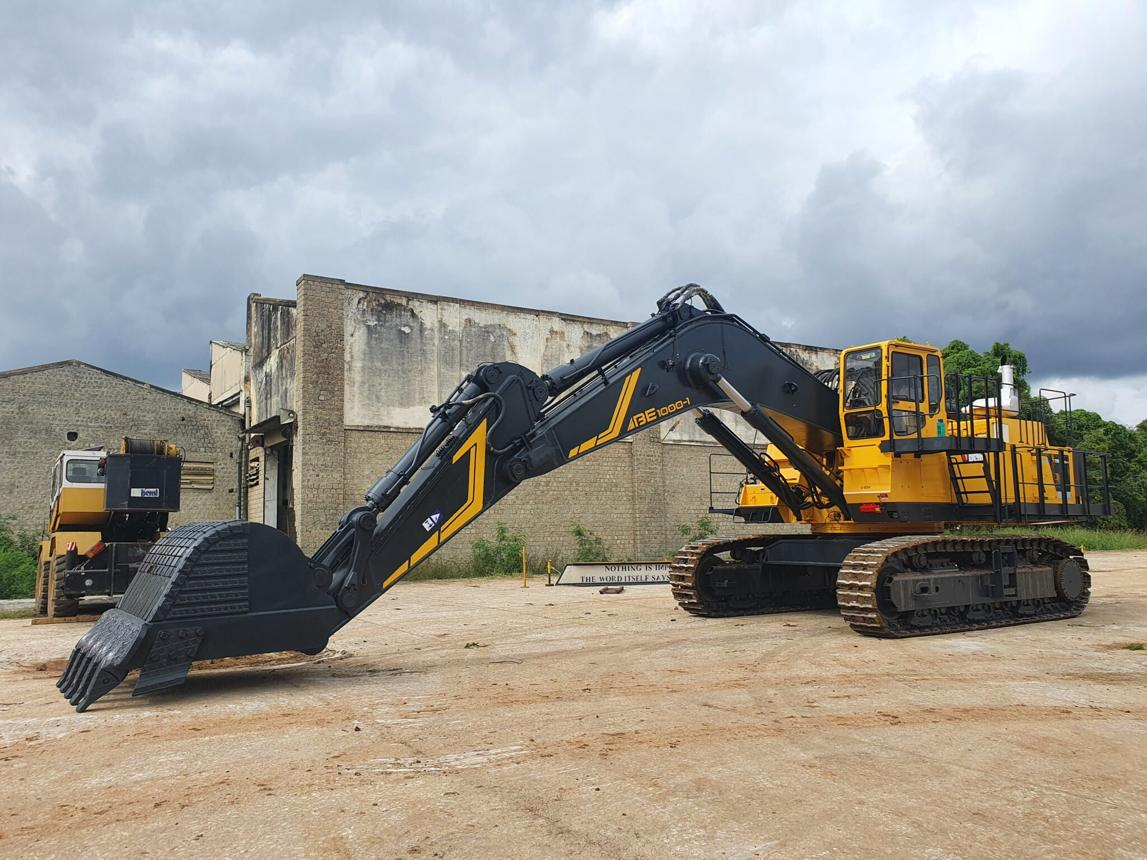
- BEML (Bharat Earth Movers Limited) has secured a $36.38 million export order from the Middle East.
- This highlight growing international trust in Indian defence and engineering capabilities.Defence exports are becoming a key pillar of India’s economic and strategic growth.
- Focus on Heavy Earthmoving Equipment
- The order primarily involves the supply of heavy earthmoving machinery, which will be deployed in large-scale infrastructure projects across the Middle East.
- These machines are traditionally used in mining operations
- They have now been re-engineered for infrastructure development
- Designed to operate in high-intensity and demanding environments
- The equipment includes performance and durability enhancements to meet global standards and harsh operational conditions.
·
- Comprehensive Lifecycle SupportA key aspect of the contract is not just equipment supply but also end-to-end lifecycle support:Maintenance and servicingSpare parts supplyOperational readiness supportLong-term lifecycle managementThis ensures that the machinery remains efficient and functional throughout its deployment period, enhancing customer trust and reliability.
·
- Boost to Global PresenceThis deal is part of BEML’s broader strategy to expand internationally:Total international order book has risen to around $106.95 millionStrengthens India’s position in global infrastructure equipment marketsReduces dependence on domestic demand cyclesThe Middle East, with its large-scale infrastructure and urban development projects, is emerging as a key market for Indian engineering exports.
·
- Strategic Significance for IndiaThe export order reflects several broader trends:Growing global competitiveness of Indian PSUsSuccess of Make in India and Aatmanirbhar Bharat initiativesIncreasing demand for cost-effective and durable Indian equipmentIt also highlights India’s transition from being an importer to becoming a key exporter of defence and industrial equipment.
First Female Army Chief of Australian Defence Force
- Australia has appointed the Susan Coyle as the first-ever female Army Chief. This announcement was made in the month of April 2026. She will officially take the charge in July 2026.
- Lieutenant General Susan Coyle brings decades of experience to her new role. She is currently serving as the Chief of Joint Capabilities. She has held multiple senior command positions since joining the army in 1987.Women currently make up in the Australian army for around 21% of the total ADF workforce.Also, about the 18.5% of women holds the senior leadership roles.
- The government has set a target to increase women’s participation to 25% by 2030 which showcases the long-term commitment to diversity and inclusion.
India–Germany Strengthen Defence & Energy Ties
- Amid escalating global uncertainties, particularly the ongoing West Asia crisis, India and Germany have decided to deepen their cooperation in several strategic sectors, including defence, energy, and advanced technologies.
- The decision was taken during high-level India–Germany Foreign Office Consultations held in Berlin, co-chaired by senior officials from both countries.
- Key Areas of Cooperation
- Defence and security collaborationGreen hydrogen and renewable energyCritical and emerging technologiesIndustrial partnerships and digital governanceBoth nations also exchanged views on major global developments such as:
- The West Asia conflictThe Russia–Ukraine warThese discussions highlight a shared commitment to strengthening strategic partnerships and ensuring stability in an increasingly uncertain global environment.
- Strategic Significance
- These developments reflect a broader global trend:Countries are boosting defence capabilities in response to rising geopolitical tensions
- Nations are forming strategic partnerships to secure energy supplies and technological advancementThe West Asia crisis is influencing both defence planning and energy security worldwide
- For India, collaboration with Germany enhances its push for technological growth and energy diversification, while Australia’s move signals a stronger military posture in the Indo-Pacific region.
India to Launch Bids for Bharat Small Modular Reactor (BSMR-200)
- In a separate but strategically important development, India is preparing to invite bids for the 220 MWe Bharat Small Modular Reactor (BSMR-200), marking a major step in its clean energy and nuclear expansion strategy.
- The project is being developed by:Bhabha Atomic Research Centre (BARC)Nuclear Power Corporation of India Limited (NPCIL)The government is expected to invite bids within the next 3–6 months, with both domestic and foreign companies allowed to participate (in partnership with Indian firms).
- Key Features of BSMR-200
- Capacity: 220 Megawatt Electric (MWe)
- Type: Compact Pressurised Heavy Water Reactor
- Cost: Approx. ₹5,900+ crore (pilot project)
- Construction timeline: 5–6 yearsDesigned for modular, scalable deploymentStrategic ImportanceSupports India’s green energy transition
- Helps reduce dependence on fossil fuelsStrengthens energy security and self-reliance
- Part of the Nuclear Energy Mission targeting 100 GW nuclear capacity by 2047
- Small Modular Reactors (SMRs) are seen as a game-changing technology, offering:Lower costsEnhanced safety features
- Flexibility for industrial and remote applications
Army Commanders’ Conference 2026
- The biannual Army Commanders’ Conference (ACC) which commenced on 13 April 26, culminated on 16 April 26. The conference chaired by Chief of the Army Staff (COAS), was attended by apex military leadership.
- Aligned with the vision of evolving into a ‘Future Ready Force’, the Indian Army has designated the year 2026 as the year of “Networking and Data Centricity”.
- The conference discussed a wide array of issues pertaining to modernisation, technology infusion in combat operations, doctrinal and training requirements besides networking and data centricity to enhance operational readiness and address emerging security challenges.
- Based on the lessons learnt from Operation Sindoor, and in keeping with the current operational dynamics globally, senior army leadership also focussed on operational capability requirements including employment of Unmanned Aerial Systems (UAS) and Counter Unmanned Aerial Systems (C-UAS).
- With specific reference to lessons emerging from global conflicts, the speakers alluded to the need for Hard Power for Guaranteed Protection of India’s strategic and security interests while emphasising on inter ministerial coordination, enhanced synergy between civil and military institutions.
World Border Security Congress 2026
- India showcased its leadership in maritime security and reinforced its commitment to international cooperation during its participation in the World Border Security Congress 2026 held in Vienna, Austria from April 14-16, 2026.
- A three-member Indian delegation, led by Additional Director General Anand Prakash Badola, represented the country at the international forum. The delegation presented India’s best practices in safeguarding its maritime boundaries, reflecting the nation’s focus on building robust and resilient maritime governance.
- Established in 2012, the World Border Security Congress is a premier international platform that brings together senior government officials, security experts, and industry leaders to deliberate on emerging challenges, technological innovations, and best practices in border management, while fostering international cooperation.
Tata Semiconductor Manufacturing Gets Special Economic Zone Nod
- To become the global semiconductor hub India have taken the strategic step. As the government have cleared the approval of a Special Economic Zone (SEZ) for the Tata Semiconductor Manufacturing in Dholera, Gujarat.
- It will be backed by the massive ₹91,000 crore investment and this project will establish the country’s first chip fabrication unit. The initiative is also expected to boost the domestic manufacturing, reduce reliance on the imports and will create the thousands of jobs.
- The government has officially notified the Special Economic Zone (SEZ) for the Tata Semiconductor Manufacturing Pvt Ltd at Dholera.
- It is approved by the Board of Approval which is the highest authority for SEZ matters.
- It will also be Chaired by the Commerce Secretary.
- And it was notified by the Department of Commerce on April 9, 2026
- Massive Investment For The Semiconductor Hub
- Key Highlights Are,
- To establishment of the India’s first chip fabrication unit
- Also strengthening the domestic production of semiconductors
- Will reducing the dependency on global chip imports
India-Russia Troop Pact
- India and Russia have taken a significant step forward in strengthening their defence partnership by formalising a pact that allows the stationing of up to 3,000 military personnel in each other’s territory. This agreement marks a deepening of bilateral relations and reflects the growing strategic trust between the two nations.
- The deal extends beyond the deployment of troops, as it also permits the stationing of ships and aircraft in each other’s territory. According to reports from Russia Today, the arrangement is designed to enhance operational cooperation and ensure smoother logistical coordination between the armed forces of both countries.
- The pact is part of the Reciprocal Exchange of Logistics Agreement (RELOS), which covers a wide range of military cooperation activities. These include joint military exercises, training programmes, and humanitarian missions.
- The framework is intended to provide logistical support for military formations during mutually agreed operations, whether they involve disaster relief, humanitarian assistance, or other collaborative undertakings.
MoD inks Rs 975 crore contracts for TRAWL Assembly
- The Ministry of Defence has signed contracts with Bharat Earth Movers Limited (BEML) and Electro Pneumatics and Hydraulics (India) Private Limited for the procurement of TRAWL Assembly for T-72/T-90 Tanks, at an approximate cost of Rs 975 crore.
- The TRAWL Assembly for T-72/T-90 Tanks is a critical equipment developed by DRDO which will enhance the minefield breaching capability of the Indian Army.
- It would generate additional capability of creating Vehicle Safe Lanes through minefields with anti-tank mines with proximity magnetic fuses, thus enhancing the operational effectiveness of the Indian Army.
- Being a Buy (Indian-Indigenously Designed, Developed and Manufactured) case, the procurement marks a pivotal step towards modernising India’s defence infrastructure and empowering indigenous industries, which will be a proud flag-bearer of Aatmanirbhar Bharat.
IN-SLN DIVEX 2026
- INS Nireekshak, the Diving Support and Submarine Rescue Vessel of Indian Navy, arrived at the port of Colombo, Sri Lanka, on 21 Apr 2026 to participate in the 4th edition of IN-SLN DIVEX 2026, a bilateral diving exercise scheduled from 21-27 Apr 2026.
- The joint exercise will see diving teams from both the Navies undertake a series of specialised diving operations and training aimed at enhancing interoperability, cohesion, and exchange of Best Practices.
- The week-long engagement reinforces the continued commitment towards strengthening Indo-Sri Lankan maritime ties and shared maritime interests.
- As part of India’s humanitarian outreach, the ship will be presenting two BHISM (Bharat Health Initiative for Sahyog Hita & Maitri) cubes to the Sri Lankan authorities under the Government of India’s ‘Aarogya Maitri’ initiative.
- These state-of-the-art portable medical units capable of handling up to 200 emergency cases are designed to provide rapid response and are equipped with essential medicines and surgical tools for basic procedures.
- Further strengthening maritime security cooperation, Indian Navy will also hand over 50,000 rounds of 9 mm ammunition to the Sri Lankan Navy.
- The IN-SLN Diving Exercise (DIVEX) is a key bilateral engagement that stands as a testament to the deep-rooted maritime partnership between India and Sri Lanka.
Gen Naravane’s New Book
- Former Indian Army Chief Manoj Mukund Naravane has added another dimension to military literature with his latest non-fiction book, The Curious and the Classified: Unearthing Military Myths and Mysteries. The work explores lesser-known stories, traditions, and folklore of India’s armed forces, offering readers a blend of history, culture, and intriguing anecdotes.
·
- Overview of the Book
- The book delves into military myths, legends, and unexplored narratives associated with the Indian Army, Navy, and Air Force. Rather than focusing on strategy or operations, it highlights the human, cultural, and historical aspects that shape military traditions.
- It is designed to be engaging and accessible, aiming to bridge the gap between civilian understanding and military life through storytelling.
·
- Key Themes and Stories
- One of the most striking features of the book is its wide range of fascinating topics:
- Origin of “Chak De Phatte”
The book traces this popular Punjabi battle cry back to Sikh military history, explaining its deeper cultural and martial roots. - Legend of Baba Harbhajan Singh
A revered figure in military folklore, often associated with spiritual protection of soldiers. - Story of Badluram and Battle of Kohima (1944)
Connects a wartime incident with the famous marching song “Badluram ka Badan.” - Fate of INS Khukri
Revisits the tragic sinking of INS Khukri during the 1971 Indo-Pak war, highlighting naval bravery and sacrifice. - Unusual Military Anecdotes
Includes stories about airmen’s call signs and even a brave military mule named Pedongi, reflecting the diversity of military experiences.
·
- Purpose and Significance
- The book serves multiple important purposes:
- 1. Demystifying Military Life
It simplifies complex and often misunderstood aspects of the armed forces by presenting them through relatable stories. - 2. Preserving Military Heritage
By documenting folklore and traditions, it helps preserve the cultural identity of India’s armed forces. - 3. Civil-Military Connect
Naravane aims to make military history more accessible to the general public, strengthening awareness and appreciation.
·
- Context: After the Memoir Controversy
- The release comes after controversy surrounding Naravane’s unpublished memoir Four Stars of Destiny. Unlike that work, his new book avoids sensitive political or strategic issues and instead focuses on shared heritage and lighter, narrative-driven themes.
Vikram VT21 Wheeled Platform
- The DRDO has achieved a notable milestone with the rollout of the Vikram VT21 Advanced Armoured Platform in its wheeled configuration.
- The platforms were flagged off at the Vehicle Research and Development Establishment in Ahilyanagar in the presence of senior officials, including DRDO Chairman Samir V Kamat.
- The Vikram VT21 platform has been designed and developed by DRDO’s Vehicle Research Development Laboratory in collaboration with Tata Advanced Systems Limited and Bharat Forge Limited.
- The Advanced Armoured Platform has been built to meet the evolving operational needs of the Indian Armed Forces, with capabilities suited for both Infantry Combat Vehicle and Armoured Personnel Carrier roles.
- Both the tracked and wheeled variants are equipped with an indigenously developed 30 mm crewless turret, along with a 7.62 mm PKT gun. The system is also configured to launch anti-tank guided missiles, enhancing its combat versatility.
India’s Military Expenditure Rose by 8.9%
- India, the fifth biggest military spender in the world in 2025, increased its military spending by 8.9 per cent to USD 92.1 billion, according to a report released by arms watchdog group SIPRI.
- The global world military expenditure reached USD 2887 billion in 2025, the 11th consecutive year of growth, and the five biggest spenders in 2025 were the United States, China, Russia, Germany and India, together accounting for 58 per cent of world military spending, at a total of USD 1,686 billion, according to new data published today by the Stockholm International Peace Research Institute (SIPRI).
- The India-Pakistan conflict in May 2025–which involved the use of combat aircraft, drones and missiles–pushed up military spending of India during the year, according to SIPRI’s annual “Trends in World Military Expenditure” report.”Pakistan’s military spending grew by 11 per cent to USD 11.9 billion in 2025.
- The increase was largely due to new orders for aircraft and missiles placed with China in 2025 following the armed conflict with India in May, as well as payments for earlier procurement contracts nearing completion,” it said
- The world’s military burden–the share of global gross domestic product (GDP) devoted to military expenditure–went up from 2.4 per cent in 2024 to 2.5 per cent in 2025. The global average military expenditure as a share of government expenditure was 6.9 per cent in 2025, compared with 7.0 percent in 2024, and world spending per person stood at USD 352 in 2025.
Review Questions
- Which of the following ships was delivered as a guided missile frigate to the
Indian Navy by GRSE?
A. Sanshodhak
B. Agray
C. Dunagiri
D. Arnala
ANSWER: C - The vessel ‘Agray’ belongs to which category?
A. Aircraft Carrier
B. Anti-Submarine Warfare Shallow Water Craft
C. Destroyer
D. Amphibious Ship
ANSWER: B - Which organization built and delivered the three ships to the Indian Navy?
A. Mazagon Dock Shipbuilders Limited
B. Cochin Shipyard Limited
C. Garden Reach Shipbuilders & Engineers (GRSE)
D. Hindustan Shipyard Limited
ANSWER: C - INS Aridhaman belongs to which class of submarines?
A. Kalvari-class
B. Scorpene-class
C. Arihant-class
D. Chakra-class
ANSWER: C - What is the approximate displacement (weight) of INS Aridhaman?
A. 5,000 tonnes
B. 6,000 tonnes
C. 7,000 tonnes
D. 8,500 tonnes
ANSWER: C - Which submarine was commissioned as India’s third indigenous nuclear
powered ballistic missile submarine in April 2026?
A. INS Arihant
B. INS Arighaat
C. INS Chakra
D. INS Aridhaman
ANSWER: D - The theme of the Tri-Service seminar ‘Ran Samwad’ (2026) is:
A. Cyber Warfare and Artificial Intelligence
B. Maritime Security in Indo-Pacific
C. Multi Domain Operations for Conventional and Irregular Threats
D. Space-Based Defence Systems
ANSWER: C - The Suryastra rocket launcher system has been developed in collaboration
with which country?
A. USA
B. Russia
C. Israel
D. France
ANSWER: C - Cyclone-IV joint military exercise is conducted between India and which
country?
A. USA
B. Russia
C. Egypt
D. France
Answer: C - Cyclone-IV exercise is being held in which country?
A. India
B. Egypt
C. UAE
D. Saudi Arabia
Answer: B - Mission Mitra is related to which field?
A. Agriculture
B. Defence
C. Space
D. Health
Answer: C. Space - Mission Mitra is jointly developed by ISRO and which organization?
A. DRDO
B. HAL
C. Institute of Aerospace Medicine
D. NASA
Answer: C. Institute of Aerospace Medicine - The Brahmastra exercise was conducted in which state?
A. Gujarat
B. Rajasthan
C. Punjab
D. Haryana
Answer: B. Rajasthan - The Apache helicopter is manufactured by which company?
A. Lockheed Martin
B. Boeing
C. Airbus
D. HAL
Answer: B. Boeing - The India–Uzbekistan joint military exercise held in April 2026 is named:
A. Yudh Abhyas
B. Malabar
C. Dustlik
D. Garuda
Answer: C. Dustlik - Who has been appointed as the first female Army Chief of Australia?
A. Inda Reynolds
B. Susan Coyle
C. Angus Campbell
D. Julia Gillard
Answer: B. Susan Coyle - What does BSMR stand for?
A. Bharat Small Modular Reactor
B. Basic Small Machine Reactor
C. Bharat Strategic Mega Reactor
D. None of the above
Ans: A - What is the capacity of BSMR-200?
A. 100 MWe
B. 150 MWe
C. 220 MWe
D. 500 MWe
Ans: C - Which organizations are involved in developing BSMR-200?
A. ISRO & DRDO
B. BARC & NPCIL
C. HAL & BEL
D. NTPC & ONGC
Ans: B - The World Border Security Congress 2026 was held in:
A. Paris
B. Vienna
C. London
D. Berlin
Ans: B
ALSO READ:
- Latest Daily Current Affairs and Defence Updates
- Latest Daily Current Affairs March 2026[DOWNLOAD PDF]
- Latest Daily Current Affairs February 2026[DOWNLOAD PDF]
- Latest Daily Current Affairs January 2026[DOWNLOAD PDF]
- Latest Daily Current Affairs November 2025[DOWNLOAD PDF]
- Latest Daily Current Affairs October 2025[DOWNLOAD PDF]
- Latest Daily Current Affairs August 2025[DOWNLOAD PDF]
- Latest Daily Current Affairs July 2025[DOWNLOAD PDF]
- Monthly Defence Current Affairs June 2025 [DOWNLOAD PDF]
- Monthly Defence Current Affairs May 2025 [DOWNLOAD PDF]
- Monthly Defence Current Affairs April 2025 [DOWNLOAD PDF]
- Monthly Defence Current Affairs March 2025 [DOWNLOAD PDF]
- Monthly Defence Current Affairs February 2025 [DOWNLOAD PDF]
- Monthly Defence Current Affairs January 2025 [DOWNLOAD PDF]
- Defence Current Affairs Year End Review 2024
- Monthly Defence Current Affairs November 2024 [DOWNLOAD PDF]
- Monthly Defence Current Affairs October 2024 [DOWNLOAD PDF]
- Monthly Defence Current Affairs September 2024 [DOWNLOAD PDF]
- Monthly Defence Current Affairs August 2024 [DOWNLOAD PDF]
- Monthly Defence Current Affairs July 2024 [DOWNLOAD PDF]