




In Defence Current Affairs for 16 May 2026, we will see the latest national and international current affairs news. These important current affairs will be beneficial for your upcoming NDA, CDS, CDS OTA, AFCAT, TA, Agniveer Army, Agniveer Navy, Agniveer Air Force, Women Military Police, INET, MNS, ACC exams, SCO, PCSL, CAPF, and SSB interviews, and direct entries for Army, Navy, and Air Force like SSC Tech, TGC, JAG, NCC, TES, 10+2 Cadet. Download a PDF file about current events at the end of this article. Let us now see the Current Affairs.
Defence Current Affairs 16 May 2026
Defence Manufacturing Gets Major Boost in Andhra Pradesh
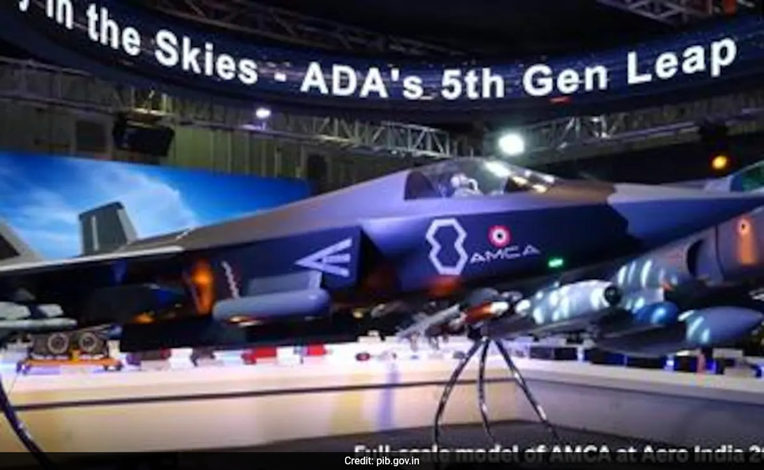
- Union Defence Minister Rajnath Singh and Andhra Pradesh Chief Minister N. Chandrababu Naidu laid the foundation stones for two major defence facilities in Andhra Pradesh. These include the Advanced Medium Combat Aircraft (AMCA) Core Integration & Flight Testing Centre and a Naval Systems Manufacturing Facility.
- The projects are expected to strengthen India’s indigenous defence ecosystem and support the “Aatmanirbhar Bharat” initiative in the defence sector. During the event, Rajnath Singh stated that India’s defence production is likely to touch an all-time high of ₹1.75 lakh crore within the next one to two months.
- The AMCA programme is considered one of India’s most ambitious aerospace projects. It aims to develop a fifth-generation stealth fighter aircraft equipped with advanced avionics, artificial intelligence support, and modern combat capabilities. The new integration and testing centre will help speed up research, development, and flight trials for the aircraft.
- The Naval Systems Manufacturing Facility will focus on producing advanced naval equipment and systems for the Indian Navy. Experts believe the project will improve domestic production capacity and reduce dependence on foreign defence imports.
- The Andhra Pradesh government is also positioning the state as an emerging hub for aerospace and defence manufacturing by attracting investment and promoting industrial infrastructure.
India and UAE Sign Key Strategic Agreements
- Prime Minister Narendra Modi visited the United Arab Emirates and both nations announced several important agreements aimed at strengthening bilateral cooperation in energy, trade, infrastructure, and technology.
- One of the major outcomes was a strategic collaboration agreement between Indian Strategic Petroleum Reserves Limited (ISPRL) and Abu Dhabi National Oil Company (ADNOC). The agreement may allow ADNOC to store up to 30 million barrels of crude oil in India’s strategic petroleum reserves, including facilities in Visakhapatnam and future reserves planned in Odisha.
- The agreements are expected to improve India’s energy security by ensuring stable crude oil supplies during global disruptions. The partnership also reflects growing trust between India and the UAE in strategic sectors.
- Apart from energy cooperation, both countries discussed expanding investments, strengthening digital and technological collaboration, and improving trade connectivity. The visit further reinforced the Comprehensive Strategic Partnership shared by India and the UAE.
- Growing Global Role of India
- These developments show India’s increasing emphasis on becoming a global manufacturing and strategic power. While defence projects aim to strengthen military self-reliance, international partnerships like the UAE agreements help secure energy supplies and expand economic cooperation.
- Together, the announcements demonstrate how India is simultaneously focusing on domestic industrial growth and stronger international strategic partnerships to support long-term national development.

Super Sukhoi Upgrade to Keep Su-30MKI Combat Ready Till 2050s
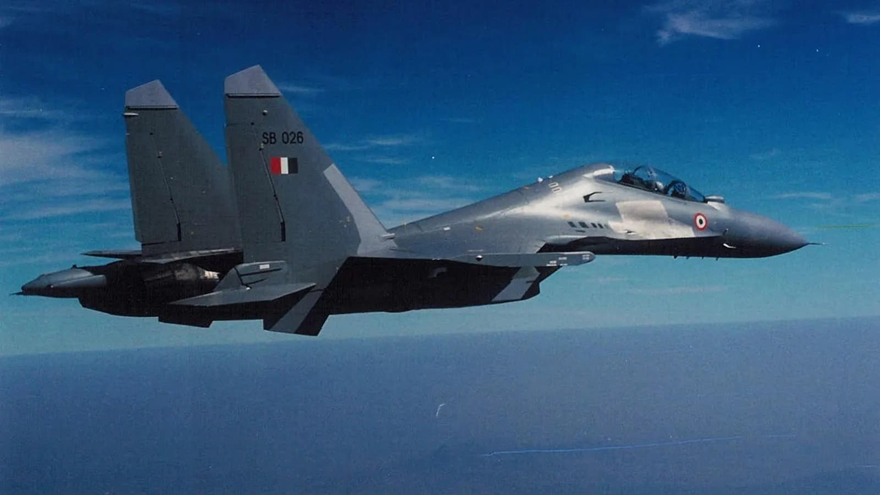
India is moving ahead with a major modernization programme for the Sukhoi Su-30MKI fighter aircraft, ensuring that the backbone of the Indian Air Force (IAF) remains battle-ready for decades to come. Known as the “Super Sukhoi” upgrade programme, the initiative is aimed at transforming the aircraft into a highly advanced combat platform capable of operating effectively in future warfare environments dominated by electronic warfare, long-range precision weapons, and network-centric operations.
The Su-30MKI has been the mainstay of the Indian Air Force for more than two decades. Around 260 aircraft are currently in service and are regularly deployed for a wide variety of missions including long-range air patrols, strike support operations, air superiority roles, and multinational military exercises. Due to its versatility, long combat range, and heavy weapons carrying capacity, the aircraft remains one of the most powerful fighters in the IAF fleet.
The aircraft’s operational importance was highlighted during Operation Sindoor, where Su-30MKI fighters reportedly carried out escort and strike missions while launching missiles against enemy air force installations. The operation once again demonstrated the aircraft’s value in both offensive and defensive air operations.
Although the Su-30MKI continues to be highly capable, changing warfare requirements have made modernization essential. Modern battlefields now depend heavily on real-time data sharing, electronic warfare systems, advanced radar technologies, and precision-guided weapons. To maintain superiority against emerging threats, the aircraft is being upgraded with next-generation systems and improved combat capabilities.
The “Super Sukhoi” programme is being jointly led by Hindustan Aeronautics Limited and Defence Research and Development Organisation with technical support from Russian original equipment manufacturers (OEMs). The modernization plan is expected to include upgraded radar systems, enhanced avionics, better electronic warfare suites, integration of advanced indigenous weapons, and improved networking capabilities.
Experts believe the upgraded Su-30MKI will be capable of operating seamlessly in future network-centric warfare environments where aircraft, drones, satellites, and ground systems continuously share battlefield information in real time. This capability is considered crucial for future air combat operations.
The modernization effort also supports India’s broader goal of strengthening indigenous defence capabilities under the “Aatmanirbhar Bharat” initiative. By integrating more Indian-made systems and weapons into the aircraft, India aims to reduce dependence on foreign suppliers and improve long-term operational sustainability.
With the latest upgrades, the Su-30MKI is expected to remain in active service well into the 2050s. Defence analysts believe the aircraft will continue to play a central role in India’s air power strategy alongside future platforms such as the Advanced Medium Combat Aircraft (AMCA) and upgraded Tejas fighters.
Paras Defence Develops Indigenous Integrated Manpack Drone Detector
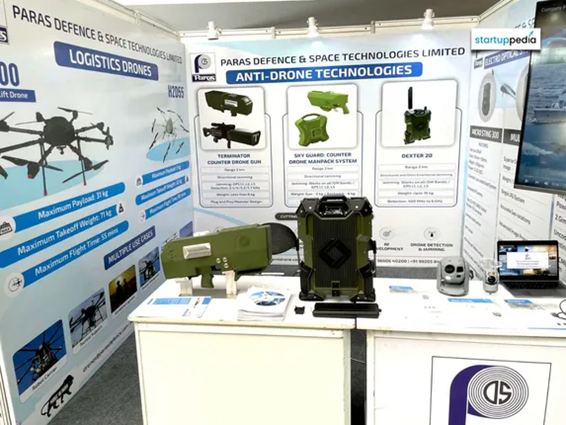
India’s counter-drone capabilities received a major boost after Paras Defence and Space Technologies unveiled an advanced Integrated Manpack Drone Detector combined with a Handheld Drone Jammer. The portable system has been designed to help Indian security forces detect, identify, and neutralize hostile drones in real time.
The development comes at a time when drone threats are rapidly increasing across borders, military zones, and critical infrastructure installations. Unmanned Aerial Vehicles (UAVs) are increasingly being used for surveillance, smuggling, and even potential attacks, making counter-drone technologies an important requirement for modern security forces.
The system has been developed through Paras Defence’s subsidiary, Paras Anti Drone Technologies Pvt. Ltd., and is fully indigenous in design and development. The project aligns with the government’s “Aatmanirbhar Bharat” vision, which encourages domestic innovation and defence manufacturing.
The Integrated Manpack Drone Detector uses advanced radio frequency (RF) analysis to identify and classify drones operating within its surveillance range. The system continuously scans a broad frequency spectrum ranging from 400 MHz to 6 GHz, enabling it to detect multiple types of UAVs, including commercial quadcopters, FPV drones, and more sophisticated unmanned platforms.
Once a hostile drone is detected, the handheld jammer can disrupt communication links between the drone and its operator, effectively neutralizing the threat. The portable design allows security personnel to deploy the system quickly in sensitive areas, border zones, airports, military bases, and public events.
Defence experts believe such indigenous anti-drone systems will play a crucial role in strengthening India’s counter-UAS ecosystem. As drone warfare and aerial surveillance technologies continue to evolve globally, portable detection and jamming systems are becoming increasingly important for both military and civilian security applications.
The development also highlights the growing role of Indian private defence companies in building advanced military technologies. In recent years, India has witnessed rapid growth in indigenous defence innovation, particularly in sectors such as drones, radar systems, electronic warfare, and aerospace technologies.
With the introduction of this new system, Paras Defence has positioned itself as a significant player in India’s expanding counter-drone and homeland security market.
IAF Achieves Major Self-Reliance Milestone with Indigenous Overhaul of Navy’s MiG-29K Ejection Seat
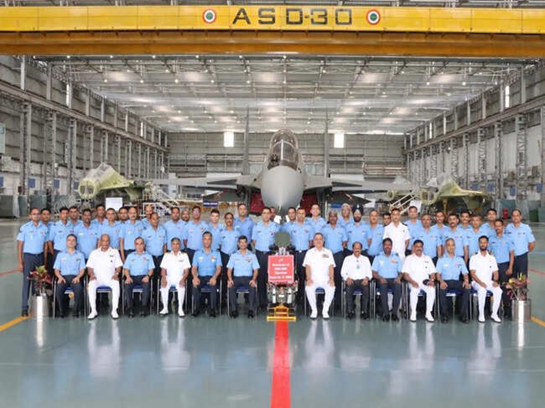
- India achieved another important milestone in defence self-reliance as the Indian Air Force’s (IAF) Base Repair Depot (BRD) in Nashik successfully carried out the indigenous overhaul of the Indian Navy’s MiG-29K fighter aircraft ejection seat. Until now, these critical systems had to be sent to Russia for servicing and overhaul.
- The achievement marks a significant step under India’s “Aatmanirbhar Bharat” initiative, which aims to reduce dependence on foreign defence maintenance and strengthen domestic military capabilities.
- Major Boost to Defence Self-Reliance
- The Base Repair Depot in Nashik has long been responsible for the overhaul and maintenance of fighter aircraft such as the MiG-29 and Sukhoi Su-30MKI. Over the years, the depot developed advanced technical expertise and specialised infrastructure for handling complex aerospace systems.
- Using this expertise, the depot successfully completed the first indigenous overhaul of the MiG-29K ejection seat used by the Indian Navy. The work received approval from the Regional Centre for Military Airworthiness (RCMA), demonstrating the technical capability achieved by Indian defence engineers and technicians.
- Previously, these ejection seats were sent to Russia for repairs and servicing, leading to longer turnaround times, higher costs, and dependence on foreign support. The new indigenous capability is expected to significantly improve operational readiness and reduce delays in aircraft maintenance.
- Importance of the MiG-29K Fleet
- The Mikoyan MiG-29K is a carrier-based fighter aircraft operated by the Indian Navy aboard aircraft carriers such as INS Vikrant and INS Vikramaditya. The aircraft performs multiple roles including fleet air defence, maritime strike missions, and anti-shipping operations.
- The MiG-29K fleet plays a critical role in strengthening India’s maritime security and naval combat capabilities. Faster maintenance and repair support within India will improve aircraft availability and fleet readiness during operational deployments.
- Strengthening Jointness Between Armed Forces
- The successful overhaul also reflects growing cooperation between the Indian Air Force and the Indian Navy. The overhauled ejection seat was formally handed over to the Navy in the presence of senior military officials, including Air Marshal Yalla Umesh and Vice Admiral Rahul Gokhale.
- Defence experts believe such collaboration between services will help India build a stronger and more integrated defence ecosystem. Indigenous maintenance capabilities are especially important during emergencies or wartime situations when foreign support may not be readily available.
- India’s Growing Defence Manufacturing Capability
- India has increasingly focused not only on manufacturing defence equipment domestically but also on developing advanced repair, maintenance, and overhaul (MRO) capabilities. The Nashik BRD achievement shows that India is steadily moving toward mastering the complete lifecycle support of modern military platforms.
- With projects such as the AMCA stealth fighter, Tejas programme, and indigenous aircraft carrier development already progressing, achievements like this further strengthen India’s long-term goal of becoming a global defence manufacturing hub.
Review Questions
- Which two major defence facilities were launched in Andhra Pradesh?
A) Tejas Assembly Unit and Missile Centre
B) AMCA Core Integration & Flight Testing Centre and Naval Systems Manufacturing Facility
C) BrahMos Factory and Tank Assembly Unit
D) Radar Testing Centre and Drone Factory
Answer: B) AMCA Core Integration & Flight Testing Centre and Naval Systems Manufacturing Facility
- The AMCA programme aims to develop which type of aircraft?
A) Cargo aircraft
B) Helicopter gunship
C) Fifth-generation stealth fighter aircraft
D) Passenger aircraft
Answer: C) Fifth-generation stealth fighter aircraft
- India’s defence production is expected to touch approximately:
A) ₹50,000 crore
B) ₹1 lakh crore
C) ₹1.75 lakh crore
D) ₹3 lakh crore
Answer: C) ₹1.75 lakh crore
- The Naval Systems Manufacturing Facility will mainly support:
A) Indian Army
B) Indian Coast Guard
C) Indian Navy
D) DRDO
Answer: C) Indian Navy
- Which initiative is closely linked with India’s indigenous defence manufacturing efforts?
A) Digital India
B) Make for World
C) Aatmanirbhar Bharat
D) Skill India
Answer: C) Aatmanirbhar Bharat
- Prime Minister Narendra Modi visited which country for strategic agreements?
A) Saudi Arabia
B) UAE
C) Qatar
D) Oman
Answer: B) UAE
- ISPRL signed a strategic collaboration agreement with:
A) Saudi Aramco
B) Qatar Energy
C) ADNOC
D) BPCL
Answer: C) ADNOC
- ADNOC may store up to how many barrels of crude oil in India’s reserves?
A) 5 million barrels
B) 10 million barrels
C) 20 million barrels
D) 30 million barrels
Answer: D) 30 million barrels
- Which Indian city currently has strategic petroleum reserve facilities mentioned in the agreement?
A) Chennai
B) Kochi
C) Visakhapatnam
D) Mumbai
Answer: C) Visakhapatnam
- The Su-30MKI upgrade programme is popularly known as:
A) Super Tejas
B) Super Sukhoi
C) Mission Garuda
D) Project Astra
Answer: B) Super Sukhoi
- Approximately how many Su-30MKI aircraft are currently in service with the IAF?
A) 100
B) 150
C) 260
D) 500
Answer: C) 260
- The Super Sukhoi programme is being led by:
A) ISRO and BEL
B) HAL and DRDO
C) Indian Navy and HAL
D) BHEL and DRDO
Answer: B) HAL and DRDO
- Paras Defence recently developed which indigenous system?
A) Laser missile shield
B) Drone aircraft carrier
C) Integrated Manpack Drone Detector with Handheld Drone Jammer
D) Underwater surveillance drone
Answer: C) Integrated Manpack Drone Detector with Handheld Drone Jammer
- The Manpack Drone Detector mainly uses which technology for drone detection?
A) Infrared imaging
B) Radio Frequency analysis
C) Sonar tracking
D) Satellite navigation
Answer: B) Radio Frequency analysis
- The Manpack Drone Detector can monitor frequencies between:
A) 10 MHz to 100 MHz
B) 100 MHz to 200 MHz
C) 400 MHz to 6 GHz
D) 8 GHz to 12 GHz
Answer: C) 400 MHz to 6 GHz
- The indigenous overhaul of the Navy’s MiG-29K ejection seat was carried out at:
A) Bengaluru
B) Pune
C) Nashik
D) Hyderabad
Answer: C) Nashik
- Before indigenous overhaul capability was developed, MiG-29K ejection seats were sent to which country?
A) France
B) Israel
C) Russia
D) USA
Answer: C) Russia
- The MiG-29K is primarily a:
A) Cargo aircraft
B) Carrier-based fighter aircraft
C) Reconnaissance helicopter
D) Bomber aircraft
Answer: B) Carrier-based fighter aircraft
- Which aircraft carriers operate the MiG-29K fleet?
A) INS Kolkata and INS Chennai
B) INS Vikrant and INS Vikramaditya
C) INS Arihant and INS Chakra
D) INS Delhi and INS Mysore
Answer: B) INS Vikrant and INS Vikramaditya
- The approval for the indigenous overhaul work was given by:
A) HAL
B) ISRO
C) RCMA
D) BEL
Answer: C) RCMA
ALSO READ:
- Latest Daily Current Affairs and Defence Updates
- Latest Daily Current Affairs April 2026[DOWNLOAD PDF]
- Latest Daily Current Affairs March 2026[DOWNLOAD PDF]
- Latest Daily Current Affairs February 2026[DOWNLOAD PDF]
- Latest Daily Current Affairs January 2026[DOWNLOAD PDF]
- Latest Daily Current Affairs November 2025[DOWNLOAD PDF]
- Latest Daily Current Affairs October 2025[DOWNLOAD PDF]
- Latest Daily Current Affairs August 2025[DOWNLOAD PDF]
- Latest Daily Current Affairs July 2025[DOWNLOAD PDF]
- Monthly Defence Current Affairs June 2025 [DOWNLOAD PDF]
- Monthly Defence Current Affairs May 2025 [DOWNLOAD PDF]
- Monthly Defence Current Affairs April 2025 [DOWNLOAD PDF]
- Monthly Defence Current Affairs March 2025 [DOWNLOAD PDF]
- Monthly Defence Current Affairs February 2025 [DOWNLOAD PDF]
- Monthly Defence Current Affairs January 2025 [DOWNLOAD PDF]


