In Monthly Defence Current Affairs for Febrauary 2025, we will see the latest national and international current affairs news. These important current affairs will be beneficial for your upcoming NDA, CDS, CDS OTA, AFCAT, TA, Agniveer Army, Agniveer Navy, Agniveer Air Force, Women Military Police, INET, MNS, ACC exams, SCO, PCSL, CAPF, and SSB interviews, and direct entries for Army, Navy, and Air Force like SSC Tech, TGC, JAG, NCC, TES, 10+2 Cadet. Download a PDF file about current events at the end of this article. Let us now see the Current Affairs.
Monthly Defence Current Affairs February 2026
‘Miniratna’ Category-I status to Yantra India
- Defence Minister Rajnath Singh has approved the grant of ‘Miniratna’ Category-I status to Yantra India Limited (YIL), a move that underscores the government’s continued commitment to the vision of Aatmanirbhar Bharat.
- It is in line with the broader defence reforms which aim to reduce import dependence, promote domestic defence production, encourage participation of Indian industry and position India as a global defence manufacturing hub.
- It lays a strong focus on building indigenous capabilities in defence manufacturing, research and strategic technologies, the officials added.
- “The Miniratna (Category-I) status empowers the Board of the YIL to incur capital expenditure on new projects, modernisation, purchase of equipment, etc., up to Rs 500 crore without government approval.
- This will further empower the company to achieve an accelerated growth trajectory and new heights in defence production and exports,” the defence ministry said in a statement.

Ramjet Missile Test
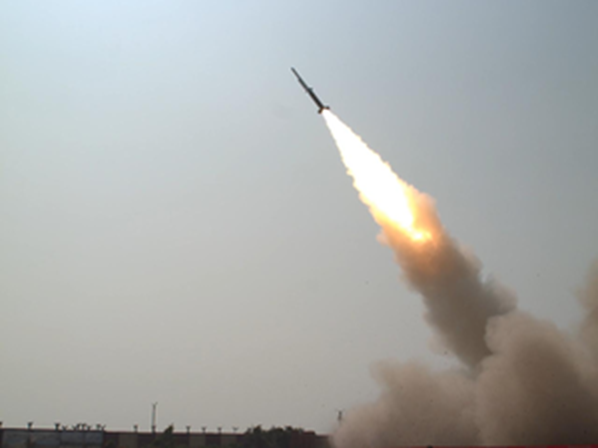
- India took a major step forward in missile propulsion technology on Tuesday, after the Defence Research and Development Organisation successfully demonstrated its Solid Fuel Ducted Ramjet system from the Odisha coast.
- The test was carried out from the Integrated Test Range at Chandipur at around 10.45 am.
- With this success, India has joined a small group of countries that possess SFDR technology, a critical capability for developing long-range air-to-air missiles with greater speed, range and manoeuvrability, a government release noted.
- WHAT IS RAMJET TECHNOLOGY?
- A ramjet is a type of air-breathing jet engine that uses the missile’s forward speed to compress incoming air, rather than relying on complex rotating parts like conventional jet engines.
- In a Solid Fuel Ducted Ramjet, solid fuel is burned in a controlled manner as atmospheric air flows through the engine, producing sustained thrust at high speeds.
- Unlike traditional rocket motors, which burn fuel quickly and then coast, ramjet-powered missiles can maintain high speeds for much longer durations, especially in the final phase of flight.
- This makes them faster, more manoeuvrable and significantly harder for enemy aircraft to evade.
- HOW DRDO TESTED RAMJET TECHNOLOGY?
- During the test, the missile system was first accelerated to the required speed by a ground-based booster. Once it reached the desired Mach number, the ramjet system took over.
- According to DRDO, all key subsystems, including the nozzle-less booster, the solid fuel ducted ramjet motor, and the fuel flow controller, performed exactly as planned.
- The missile’s performance was closely tracked using multiple instruments deployed along the coast of the Bay of Bengal. Data collected during the flight confirmed the success of the technology, validating both propulsion and control systems.
- Senior scientists from several DRDO laboratories, including the Defence Research & Development Laboratory, High Energy Materials Research Laboratory, Research Centre Imarat and ITR, monitored the launch.
- WHY RAMJET TECHNOLOGY IS IMPORTANT FOR INDIA?
- The successful SFDR test has major strategic implications. Ramjet-powered air-to-air missiles can strike targets at much longer ranges while retaining high energy during the final moments before impact.
- This gives fighter aircraft a decisive edge in beyond-visual-range combat, allowing pilots to engage enemy jets earlier and from safer distances.
- Globally, only a few countries have mastered this technology due to its engineering complexity, especially in managing stable combustion at supersonic speeds.
Adani, Leonardo Team Up To Make Military Helicopters
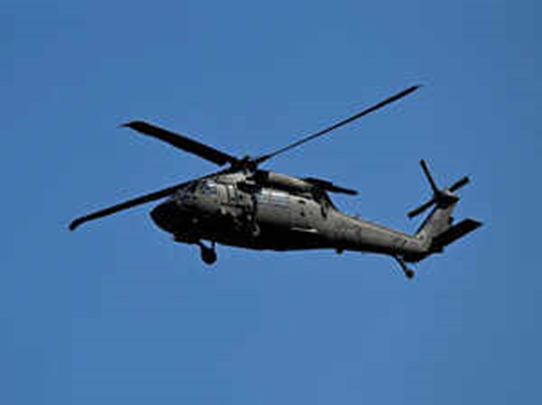
- Seeking to target the lucrative market for military choppers, Adani Defence and Aerospace has announced a partnership with Italian manufacturer Leonardo to set up a helicopter manufacturing ecosystem in India.
- The partnership, which seeks to target a projected requirement of 1,000 helicopters for the Indian armed forces, was announced in the presence of defence secretary RK Singh and ministry of defence’s director general (acquisition) A Anbarasu.
- Jeet Adani, Director at Adani Defence & Aerospace, reinforced the partnership’s foundational ethos. He described it as rooted in shared expertise and purpose, encompassing manufacturing, training, and world-class maintenance support.
- This ecosystem, to be built entirely on Indian territory, aims to bolster national confidence in India’s burgeoning helicopter capabilities and contribute enduringly to the country’s strategic future.
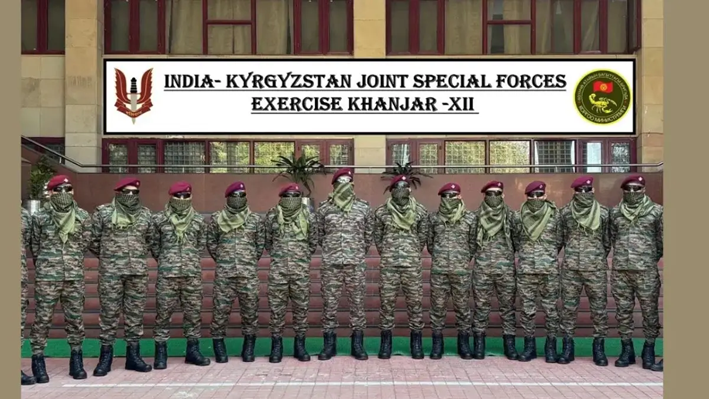
Exercise KHANJAR-XIII
- Exercise KHANJAR is an annual joint Special Forces military exercise between India and Kyrgyzstan, started in 2011.
- The exercise aims to strengthen interoperability and mutual understanding between the armed forces of both nations.
- The 13th edition, KHANJAR-XIII, will take place at Misamari from February 4 to February 17, 2026.
- Misamari is a major military training location in Northeast India, offering terrain suitable for realistic combat training.
Govt Starts Process To Procure 30 Low-Level Light-Weight Radars
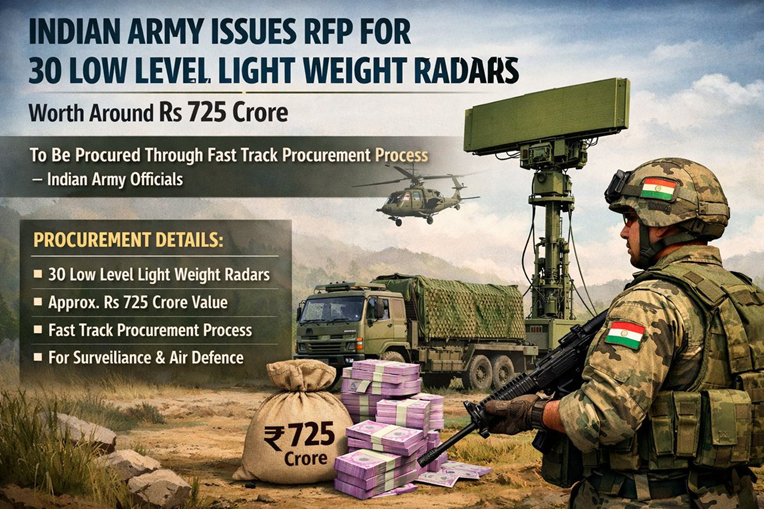
- The government has started the process to procure 30 low-level light-weight radars (LLLRs), which are envisaged to be a surveillance system for boosting the Army’s air-defence mechanism, with a request for proposal (RFP) issued on.
- These 30 LLLRs are to be procured through a “fast-track procurement process”, a source in the Army said.
- According to a copy of the RFP, uploaded on the Indian Army’s website, the defence ministry “intends to procure quantity 30 (Thirty) LLLR (I) and two (2) CRVs of LLLR (I) under ‘Buy (Indian)’ category and seeks participation in the procurement process from prospective bidders subject to requirements in succeeding paragraphs”.
- LLLR (I) refers to low-level light-weight radars (improved) and CRV stands for classroom variant.
- An RFP for 30 LLLRs, “for an amount, approximately Rs 725 crore” and to be procured through a fast-track procurement process, has been issued, the source said.
- Also, the search radar of the Low Level Light Weight Radar (Improved) “should provide continuous 3D surveillance of friendly and hostile aerial targets in the area of responsibility”.
- The radar should be able to detect all types of aerial targets up to 50 km, with a wide beam coverage in elevation, the RFP said.
IIT-Madras And BEL Develop Precision 80mm Rocket
- Researchers at the Indian Institute of Technology Madras (IIT-Madras), in collaboration with Bharat Electronics Limited (BEL), have unveiled a ground breaking 80mm rocket system designed specifically for helicopter deployment.
- This indigenous innovation promises a range of 10 to 12 kilometres, marking a significant leap in India’s aerial munitions capabilities. The project aligns seamlessly with the nation’s push towards self-reliance in defence manufacturing under the Atmanirbhar Bharat initiative.
- The rocket, engineered for unguided yet highly precise strikes, integrates advanced propulsion and guidance technologies. Developed over several years at IIT-Madras’s Sudha Murty Centre for Electronic Systems and Instrumentation, it leverages cutting-edge research in aerodynamics and materials science.
- BEL, a stalwart in India’s defence electronics sector, has handled the production scaling and integration aspects, ensuring compatibility with existing helicopter platforms.
- Helicopters such as the HAL Dhruv and indigenous Light Combat Helicopter (LCH) Prachand stand to benefit immensely from this munition. The 80mm calibre strikes an optimal balance between payload capacity and launch pod compatibility, allowing for salvo fire without compromising aircraft stability.
- Trials conducted at the Aeronautical Test Range in Chitradurga have validated the rocket’s performance, with impacts achieving sub-10-metre accuracy under simulated combat conditions.
Project KUSHA Hits Key Milestone With M1 Trials
- India is advancing its indigenous air defence ambitions with a new focus on a long-range, multi-layered surface-to-air missile system that could parallel or exceed the capabilities of the Russian S-400 Triumf. Defence Secretary Rajesh Kumar Singh indicated that work is well underway on an Indian variant of a long-range air defence system.
- He noted that early trials have yielded encouraging results, which effectively constitutes one of the first official recognitions of substantive progress on this frontier. The disclosure underscores a concentrative drive to strengthen national defence autonomy through homegrown technical solutions rather than relying predominantly on imported capabilities.
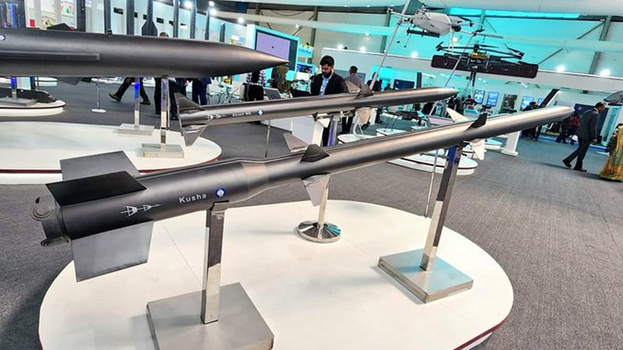
- The project in question is linked to Project Kusha, a major DRDO-driven initiative aimed at delivering a robust, multi-layered long-range surface-to-air missile (LR-SAM) system.
- Project KUSHA is conceived as a multi-layered air defence system, broadly structured into three interceptor classes:
- M1 Interceptor: ~150 km range
- M2 Interceptor: ~250 km range
- M3 Interceptor: ~350 km range
- These interceptors are designed to counter a wide spectrum of aerial threats, including:
- Fighter and support aircraft
- Cruise missiles
- High-Speed and Manoeuvring Targets
- Project KUSHA is structured as a multi-layered system featuring three distinct interceptor classes. The M1 variant offers an engagement range of approximately 150 km, while the M2 extends to around 250 km. The M3, the most advanced, reaches up to 350 km, providing comprehensive coverage against diverse threats.
Russia Launches Nuclear Submarine Khabarovsk
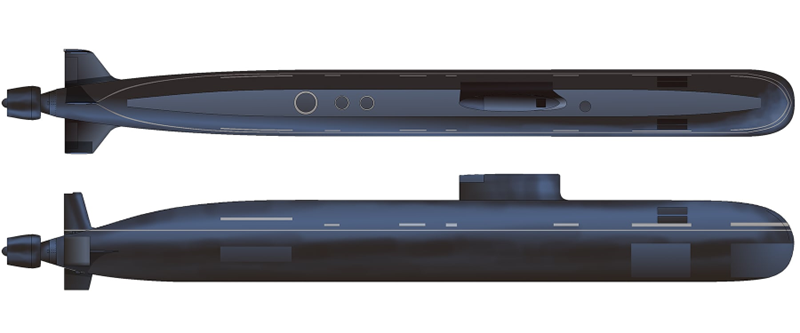
- Russia has launched its latest nuclear-powered submarine, Khabarovsk, marking a significant advancement in its naval capabilities. The vessel, part of Project 09851, is specifically engineered to deploy the Poseidon underwater nuclear drone, a weapon system frequently dubbed the “doomsday drone” in international discourse due to its apocalyptic potential.
- The launch took place at the Sevmash shipyard in Severodvinsk, amid heightened global tensions over nuclear proliferation. Khabarovsk represents Russia’s push to modernise its strategic submarine fleet, integrating cutting-edge technology for undersea operations that could alter maritime power dynamics.
- Poseidon, officially known as Status-6, is an autonomous, nuclear-armed underwater vehicle capable of travelling at speeds exceeding 100 knots. Powered by a compact nuclear reactor, it boasts an operational range of over 10,000 kilometres and can dive to depths beyond 1,000 metres, evading conventional detection and defence systems.
- Khabarovsk itself displaces around 20,000 tonnes when submerged and measures approximately 120 metres in length. It features a strengthened hull for deep-water operations and advanced stealth technologies, including reduced acoustic signatures, making it one of the quietest submarines in Russia’s arsenal.
Solar Industries Unveils Vijayastra
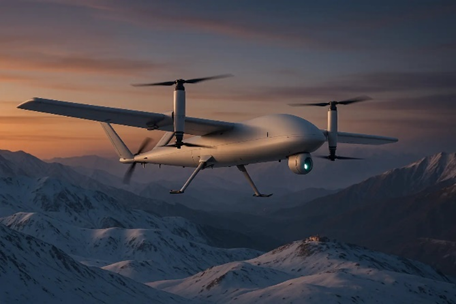
- Solar Industries India Limited, a leading explosives and defence manufacturing firm based in Nagpur, has unveiled Vijayastra, its indigenous unmanned aerial vehicle (UAV) designed for precision strikes and reconnaissance missions.
- The development marks a significant stride in India’s push for self-reliance in defence technologies under the Atmanirbhar Bharat initiative. Announced on 11 February 2026, Vijayastra integrates advanced propulsion systems derived from Solar Industries’ expertise in rocket propellants and warheads.
- Vijayastra boasts a loitering munition capability, allowing it to patrol designated areas for up to 90 minutes before executing kamikaze-style attacks on high-value targets. Its lightweight composite airframe, weighing under 15 kilograms, enables deployment from man-portable launchers or small UAV carriers. The system employs GPS/INS navigation augmented by electro-optical/infrared (EO/IR) seekers for terminal guidance, achieving pinpoint accuracy within a 2-metre circular error probable (CEP).
- Engineered for versatility, Vijayastra operates at altitudes between 100 and 4,000 metres, with a maximum range exceeding 50 kilometres. Solar Industries has incorporated indigenous rocket motors, drawing from its proven Nagastra-1 platform, which the Indian Army inducted in 2023. This evolution addresses gaps in swarm drone tactics and counter-UAV operations amid escalating border tensions with neighbours.
- Solar Industries invested over ₹50 crore in R&D, leveraging its 75% domestic content in explosives manufacturing. Production scaling is underway at its Ambernath facility, aiming for 1,000 units annually by 2027. The firm anticipates orders from the Tri-Services, including Navy adaptations for maritime surveillance.
Ministry of Defence inks Rs 2,312 Crore Contract With HAL
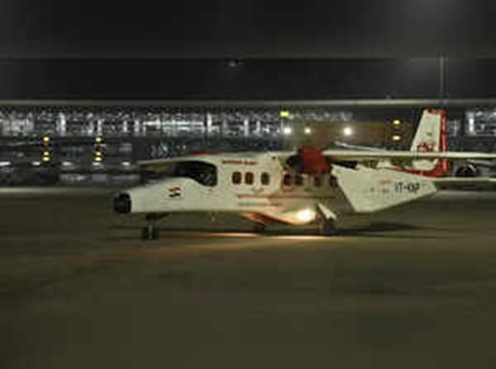
- The Defence Ministry has signed a contract with Hindustan Aeronautics Limited (HAL), Transport Aircraft Division, Kanpur, for the acquisition of eight Dornier 228 Aircraft along with Operational Role Equipment for the Indian Coast Guard (ICG) at a cost of Rs 2,312 crore under the Buy (Indian) category.
- According to the Ministry of Defence, the contract was signed in the presence of Defence Secretary Shri Rajesh Kumar Singh in New Delhi today.
- The programme is expected to generate significant direct & indirect employment by strengthening HAL’s production ecosystem and supporting a broad network of MSMEs & ancillary industries. It will also create sustained opportunities in Maintenance, repair, and overhaul, as well as life-cycle technical support.
- The Dornier 228 is a twin-turboprop STOL utility aircraft, designed and first manufactured by Dornier GmbH from 1981 until 1998. About 245 such aircraft were built in Oberpfaffenhofen, Germany. In 1983, Hindustan Aeronautics Limited bought a production licence and manufactured 125 aircraft in Kanpur, India.
- Engine type: Honeywell TPE331
- Manufacturers: Dornier Flugzeugwerke, Hindustan Aeronautics Limited, DASA
- Range: 1,111 km
- Wingspan: 17 m
- Cruise speed: 315 km/h
- Weight: 3,739 kg
- Top speed: 433 km/h
DAC Greenlights Six Additional P-8I Aircraft
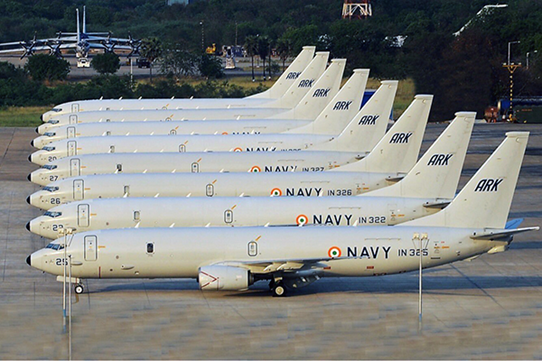
- The Defence Acquisition Council (DAC), chaired by Defence Minister Rajnath Singh, has approved the procurement of six additional Boeing P-8I maritime patrol aircraft for the Indian Navy.
- This decision, announced on 12 February 2026, marks a significant enhancement to India’s maritime reconnaissance and anti-submarine warfare capabilities.
- The P-8I, a long-range multi-mission platform derived from the Boeing 737, excels in anti-submarine warfare (ASW), anti-surface warfare (ASuW), and intelligence, surveillance, and reconnaissance (ISR) roles.
- These aircraft will join the Navy’s existing fleet of 12 P-8Is, codenamed “Neptune”, which have amassed over 40,000 mishap-free flight hours since their induction more than a decade ago.
- This exemption stems from DAP 2020 provisions that removed offsets for IGAs, streamlining acquisitions while prioritising strategic interoperability with allies. The deal, valued at approximately $3-4 billion, resolves prior cost disputes through recent high-level talks involving US Department of Defence officials and Boeing representatives.
Safran Pledges Indian Engine
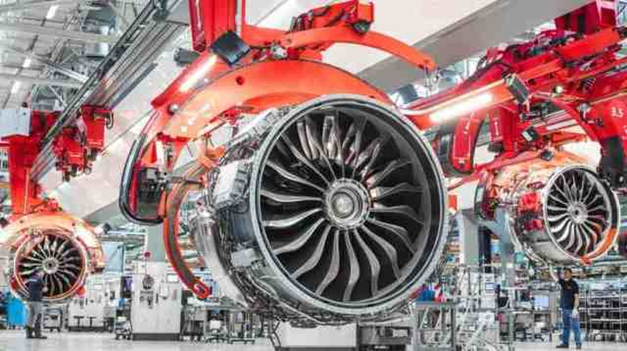
- Safran, the French engine manufacturer renowned for powering Dassault Aviation’s Rafale fighter jets, has signalled its willingness to establish an engine assembly line in India. This move comes amid ongoing negotiations between the French and Indian governments for the acquisition of 114 additional Rafale aircraft.
- The M-88 engines, which equip the Rafale jets, form the core of this prospective partnership. Safran not only plans to assemble these engines on Indian soil but also intends to source components from local suppliers. This strategy aims to bolster India’s burgeoning aerospace sector, fostering technology transfer and indigenous manufacturing capabilities.
- India’s defence ministry took a significant step forward on Thursday by granting initial clearance for several high-value procurements. Among these are the Rafale jets and Boeing P-8I maritime patrol aircraft. The approvals pave the way for accelerated discussions, timed perfectly ahead of French President Emmanuel Macron’s forthcoming visit to India next week.
- The Rafale program has already proven transformative for the Indian Air Force. The initial 36 jets, inducted in 2020, have enhanced operational readiness along tense borders with China and Pakistan. Expanding the fleet to over 150 aircraft would significantly bolster air superiority, especially amid rising regional threats.
DAC Gives Nod For 288 S-400 Missiles
- The Defence Acquisition Council chaired by Defence Minister Rajnath Singh, has granted Acceptance of Necessity for procuring 288 S-400 missiles from Russia at an estimated cost of ₹10,000 crore. This decision marks a significant step to replenish stocks depleted during Operation Sindoor last year.
- IAF is advocating for five more complete S-400 squadrons, paired with Pantsir short-range systems. This push aims to fortify a robust two-layer air defence architecture capable of neutralising incoming aerial threats, including armed and Kamikaze drones from adversarial borders.
- The Indian Army secured AoN for Vibhav anti-tank mines and overhauls of Armoured Recovery Vehicles (ARVs), T-72 tanks, and BMP-II Infantry Combat Vehicles, ensuring mechanised fleet readiness.
- Naval approvals covered a 4 MW Marine Gas Turbine-based Electric Power Generator and additional P-8I Long Range Maritime Reconnaissance Aircraft, bolstering maritime patrol and power redundancy.
India, Japan, Indonesia Conduct Trilateral Naval Exercise
- The Indian Navy, along with Japan and Indonesia, conducted a trilateral exercise in the Andaman Sea on Friday (February 13).
- The exercise aimed to enhance joint operational readiness, improve interoperability, and strengthen maritime cooperation for a safe and stable region.
- In a post on X, Spokesperson of the Indian Navy shared, “Ships from the navies of India, Japan and Indonesia undertook a trilateral exercise in the Andaman Sea on 13 Feb 26, enhancing combined operational readiness, interoperability and reinforcing maritime cooperation towards a safe, secure and stable region.”
- Earlier, on Thursday, the Indian Navy assumed command of Combined Task Force (CTF) 154, a key multinational training task force under the Combined Maritime Forces (CMF).
- According to the release, CTF 154 is specifically oriented toward training and capacity building for member nations of the CMF. It reflects the region’s growing trust in India’s professional expertise, operational experience, and role as a Preferred Security Partner among the 47 nations of the CMF.CTF 154, established in May 2023, is dedicated to enhancing maritime security through multinational training programs across the Middle East and the wider region.
National Aero Engine Mission Launched
- As India moves towards finalising a deal with French aerospace major Safran for the indigenous co-development of advanced fighter jet engines, the domestic defence industry has urged the government to simultaneously launch a “Mission Aero Engine” — a national initiative to develop indigenous 110 kN thrust engines for both military and civilian applications.
- The recommendation, made by the Society of Indian Defence Manufacturers (SIDM) in a recent report titled “A Road Map for Aero Engine Development in India,” cautions that overdependence on foreign partners could expose India’s aviation sector to future sanctions or delays arising from geopolitical factors.
- “India is highly vulnerable, and any restriction or sanction — whether by the USA, UK, France or Russia — can severely affect our Armed Forces as well as the high-growth civil aviation sector,” the report warns.
- According to SIDM’s assessment, India will require at least 712 engines in the coming years for the LCA series — including Mk-1, Mk-1A and Mk-2 variants — as well as the future Advanced Medium Combat Aircraft (AMCA). The combined market value of these engines is estimated at over ₹60,000 crore.
- India’s indigenous Kaveri engine programme, originally conceived for the LCA, was shelved after delays and performance shortfalls. However, its derivative Dry Kaveri is being developed for unmanned aerial platforms, and DRDO is reportedly working on reviving the full-fledged version with an afterburner to reach 80 kN thrust.
- The report highlights that the same 110 kN core engine — modified with thrust reversal, additional fan and turbine stages, and without an afterburner — could also power single-aisle commercial aircraft such as the Airbus A320 and Boeing 737 series.
India-France Upgrade To ‘Special Global Strategic Partnership’
- India and France have elevated their bilateral relations to a ‘Special Global Strategic Partnership’, marking a significant enhancement in their longstanding alliance.
- Prime Minister Narendra Modi and French President Emmanuel Macron made this announcement during a joint press conference on 17 February, underscoring a deepened commitment across multiple domains.
- The leaders launched the India-France Year of Innovation for 2026, focusing on collaboration in technology, defence, clean energy, and culture. This initiative aims to harness the combined strengths of both nations to drive global progress.
- Accompanying the announcements were 21 agreements and declarations, covering diverse areas such as helicopter manufacturing, missile production, artificial intelligence in healthcare, critical minerals, double taxation relief, and aeronautics skilling. These outcomes highlight the comprehensive nature of the alliance.
- The French President highlighted space as a vital frontier for future collaboration. This reflects the broadening scope of Indo-French ties beyond traditional defence procurement. Macron positioned India as a global leader in innovation, from Silicon Valley to the Champs-Élysées. He praised India’s role in advancing technology and culture on the world stage.
2026 G7 Summit In France
- French President Emmanuel Macron has extended a formal invitation to Indian Prime Minister Narendra Modi to attend the 52nd G7 Summit, hosted by France in 2026 at Evian. This announcement came during a press statement in Mumbai on Tuesday, underscoring the deepening strategic ties between the two nations.
- Macron highlighted 2026 as a pivotal year of “acceleration” for the India-France partnership. With India set to chair the BRICS Summit and France presiding over the G7, he described it as a “moment of innovation” particularly beneficial for the youth of both countries.
- The French leader proposed an ad hoc bilateral meeting in the coming weeks. This gathering aims to forge consensus on key international issues ahead of the Evian Summit, focusing on resolving major global imbalances.
- In his remarks, Macron emphasised translating shared agendas into tangible actions. He invited Modi as a “very special guest” to the G7, signalling India’s elevated role in discussions among the world’s leading economies.
- Both nations plan a dedicated bilateral segment at the summit. This will feature young innovators from top Indian universities, French institutions, Europe, and G7 countries, mobilising them to tackle pressing global challenges.
Airbus India Line To Meet Regional Demand
- Global aviation giant Airbus is looking to address regional needs with its new helicopter production line in India and sees a sizeable market for more than 1,000 choppers just for the civilian sector, besides large requirements of the armed forces.
- Airbus Helicopters CEO Bruno Even said the partnership with Tata to set up a final assembly line in India is part of a commitment by the European consortium to bring in technology and expertise, and the plan is to not only have manufacturing locally but also invest in training and maintenance, repair and overhaul facilities. The first helicopter from the new line is expected to be ready by early 2027.
- While Modi and Macron inaugurated the facility virtually from Mumbai, Defence Minister Rajnath Singh, Civil Aviation Minister K Rammohan Naidu, and France’s Minister of the Armed Forces and Veterans Affairs Catherine Vautrin, were present at the FAL site for the inauguration.
- The delivery of the first made-in-India H125 helicopter is expected in early 2027, and the FAL will serve the Indian market as well as other markets in the region.
- Airbus sees the H125M as an “ideal successor” to Cheetah and Chetak helicopters used by the Indian armed forces. These helicopters were a result of an industrial collaboration agreement dating back over 60 years between Airbus and government undertaking Hindustan Aeronautics.
- TASL and Airbus said that the H125M is optimised to serve as a “high-altitude force multiplier across a spectrum of critical missions”, adding that it is designed to excel in tactical reconnaissance and surveillance.
India Joins Pax Silica
- On the fifth day of the India AI Impact Summit 2026, India formally joined the Pax Silica coalition, marking a significant milestone in the strengthening of strategic technology and supply chain cooperation between India and the United States.
- The signing ceremony brought together senior government leaders from both nations, underscoring a shared commitment to securing the full technology stack that will power the AI-driven global economy.
- Pax Silica is envisioned as a strategic coalition of trusted nations committed to securing the “silicon stack”, from critical minerals and semiconductor fabrication to advanced AI systems and deployment infrastructure.
- The initiative seeks to reduce overconcentration in global supply chains, prevent economic coercion, and ensure that emerging technologies are developed and governed by open, democratic societies.
- The Pax Silica initiative was launched in December last year at a summit in Washington, with partner nations including Australia, Greece, Israel, Japan, Qatar, the Republic of Korea, Singapore, the United Arab Emirates, and the United Kingdom.
- Pax Silica is a US-led strategic alliance launched to secure the global supply chain for artificial intelligence and semiconductors, marking a shift from the 20th-century reliance on oil and steel to an economy powered by silicon and critical minerals.
- The term “Pax” comes from the Latin word for peace, signalling a vision of global stability through secure and trusted technology. “Silica” refers to the mineral that forms the fundamental building block of computer chips and AI systems.
- India is seen as a crucial node in Pax Silica due to its vast talent pool and largely untapped mineral resources. Participation could help India reduce its heavy dependence on China, which currently accounts for about 93 per cent of its rare earth imports.
‘Global power’ India To Be Part of ‘hexagon’
- Describing India as a “global power” and its Prime Minister Narendra Modi a “personal” friend, Israeli Prime Minister Benjamin Netanyahu on Sunday talked about his vision of a “hexagon” of alliances in and around the region that will include India.
- “This week, expression will be given to the special relationship that has been forged over recent years between Israel and the global power that is India, and between myself and its leader, Prime Minister Modi”, Netanyahu said at the beginning of the weekly cabinet meeting.
- “We waded together in the waters of the Mediterranean, and much water has flowed since then in the Mediterranean, the Ganges, and the Jordan, though less in the Jordan”, he added in reference to pictures of the two leaders walking barefoot in the sea in 2017 that went viral with talk of “bromance”.
- “This includes India, Arab nations, African nations, Mediterranean nations (Greece and Cyprus), and nations in Asia that I won’t detail at the moment. I will present this in an organised manner”, he stressed.
- The description broadly matches the vision of IMEC, India- Middle East- Europe Economic Corridor, which aims to bolster economic development by fostering connectivity.
‘Vajra Prahar’ In Himachal
- India and the United States are set to conduct the 16th edition of their joint Special Forces exercise, Vajra Prahar, at the Special Forces Training School in Bakloh, Himachal Pradesh. Scheduled from 23 February to 15 March 2026, the drill underscores deepening defence ties between the two nations.
- The exercise aims to bolster interoperability and joint operational readiness. It will facilitate the exchange of advanced special operations tactics, techniques, and procedures, as stated by the Indian Army.
- The previous edition, the 15th Vajra Prahar, occurred in Idaho, United States, in 2024. It involved 45 personnel from each nation, with India’s Special Forces facing off against the elite Green Berets of the US Army.
- Vajra Prahar and Vayushakti-26 together signal robust military modernisation. They reflect India’s strategic partnerships amid regional security challenges in South Asia.
Indian Navy Commissioned Anjadip
- The Indian Navy is set to enhance its Anti-Submarine Warfare (ASW) capabilities with the commissioning of Anjadip, the third vessel of the eight-ship Anti-Submarine Warfare Shallow Water Craft (ASW-SWC) project. The warship formally commissioned into the Eastern Naval Command at Chennai Port on 27 Feb 2026.
- The commissioning ceremony highlights the nation’s accelerated progress towards achieving ‘Aatmanirbhar Bharat’ in defence, as the ASW-SWC project exemplifies the triumph of indigenous warship design and construction.
- The vessel is engineered to act as a ‘Dolphin Hunter‘, focused on the detection, tracking, and neutralisation of enemy submarines in coastal areas. The ship is packed with an indigenous, cutting-edge Anti-Submarine Warfare weapons and sensor package, including the Hull Mounted Sonar Abhay, and armed with Lightweight Torpedoes and ASW Rockets.
- In addition to its primary ASW role, the agile and highly manoeuvrable warship is also equipped to undertake Coastal Surveillance, Low-Intensity Maritime Operations (LIMO) and Search & Rescue operations.
- The 77 meter-long ship, features a high-speed Water-Jet Propulsion system, enabling it to achieve a top speed of 25 knots for rapid response and sustained operations.
India’s First Anti-terror & Cybersecurity Policy PRAHAAR
- The Union Home Ministry has released the National Counter-Terrorism Policy and Strategy, a comprehensive framework outlining India’s approach to preventing, responding to, and mitigating terrorism.
- Named PRAHAAR, the strategy provides a holistic roadmap for counter-terrorism, emphasizing intelligence-led operations, multi-agency coordination, respect for human rights and rule of law, international collaboration, and societal resilience.
- Objectives of the PRAHAAR strategy
- PRAHAAR seeks to achieve multiple objectives across the spectrum of counter-terrorism activities. The primary goals include:
- Preventing terror attacks to protect citizens and national interests
- Ensuring swift, proportionate, and coordinated responses to terrorist threats
- Aggregating internal capacities to create synergy among central, state, and local agencies
- Conducting operations under human rights and rule of law frameworks
- Addressing conditions conducive to radicalization and extremist violence
- Shaping and aligning international counter-terrorism efforts with national interests
- Promoting recovery and resilience through a whole-of-society approach
- The strategy emphasizes a multi-layered approach where intelligence, operational readiness, legal measures, technology, and societal engagement work together to counter both domestic and transnational terrorism.
Exercise Agni Varsha
- The Indian Army, under the aegis of Headquarters Southern Command, conducted Exercise Agni Varsha at the Pokhran Field Firing Ranges to validate operational preparedness and integrated combat capabilities in the Desert Sector.
- The exercise focused on coordinated employment of combined arms, precision long-range fires and network-enabled command and control in a realistic battlefield setting.
- The Integrated Fire and Manoeuvre Exercise showcased the combat effectiveness of mechanised forces operating in synergy across multiple domains.
- Foreign defence journalists from twenty-five countries witnessed the demonstration, gaining first-hand insight into the speed, precision and decisive firepower of the Indian Army’s Combined Arms Forces in the Thar Desert.
- The Integrated Manoeuvre Force comprised Main Battle Tanks (T-90), Infantry Combat Vehicles, K-9 Vajra, Sharang and Bofors artillery systems, rocket platforms, indigenous ALH Weapon System Integrated helicopters, Apache attack helicopters and a range of surveillance and strike drones, the release noted.
Indian Navy’s Mega Naval Exercise Milan concludes
- Indian Navy’s premier multilateral maritime exercise Milan saw participation of 42 warships and submarines that included 18 ships from friendly countries.
- The exercise culminated on Wednesday with a closing ceremony held onboard India’s indigenous aircraft carrier INS Vikrant off the coast of Visakhapatnam.
- “Held under the theme ‘Camaraderie, Cooperation, Collaboration’, The Milan 2026 witnessed participation on an unprecedented scale, comprising 42 ships and submarines and, 29 aircraft. These also included 18 ships from the participating friendly foreign countries,” the Indian Navy said.
- The mega exercise was held for over a week. It commenced with a harbour phase that featured bilateral engagements and international maritime seminar (IMS).
- This was followed by the ‘Sea Phase’, which comprised high-intensity operational drills focused on advanced warfare disciplines including integrated air defence and antisubmarine warfare exercises, maritime interdiction operations, communication exercises, and cross-deck flying operations.
What Is ‘Iron Alliance’
- Israel Prime Minister Benjamin Netanyahu on Wednesday proposed the formation of an “iron alliance” with India. Speaking in the Israeli Parliament – the Knesset – Netanyahu said, “In the face of extremist Islam that threatens all humanity and the free nations, we will build together an iron alliance – an alliance of nations that believe in moderation, in progress, in human dignity, in mutual respect. An alliance of nations that sanctify life and are ready to fight against those who sanctify death and seek to return us to the dark barbarism of the Middle Ages.”
- Netanyahu described the bilateral ties in sweeping terms: “We’ve doubled our trade, tripled our cooperation, quadrupled our understanding in ways that I cannot begin to describe. It’s been a wondrous friendship both personally, between our two countries and our two peoples. Israel is stronger than ever, and India is stronger than ever.”
- What is India’s interest in Israel’s Iron Beam system?
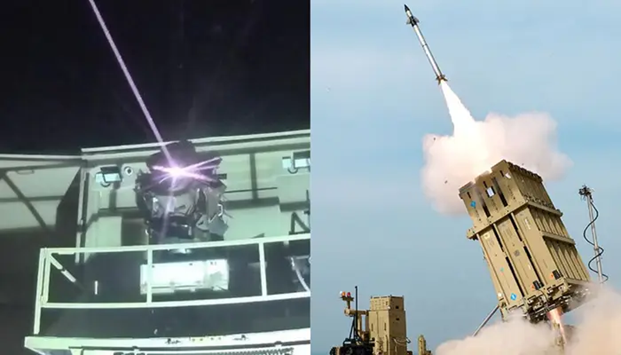
- India is considering purchasing Israel’s Iron Beam laser weapon system to enhance its air defense capabilities. This system, designed to intercept drones, rockets, and mortars, aligns with India’s Mission Sudarshan, aimed at creating a multi-layered air defense architecture. The economic viability of Iron Beam makes it an attractive option for India, which is focused on modernizing its military capabilities.
- How does the Iron Dome relate to India’s defense strategy?
- India is exploring elements of Israel’s Iron Dome system to enhance its own air defense capabilities under the Sudarshan Chakra initiative. This system, known for intercepting various aerial threats, could significantly improve India’s multi-layered defense architecture, particularly against missile and drone attacks, aligning with India’s goal of achieving strategic autonomy in defense.
- ‘Hexagon Alliance’
- Netanyahu’s remarks on iron alliance come days after he proposed the formation of a Hexagon alliance – a strategic bloc in West Asia with India at its centre. The announcement was made on February 22 and released by Israel’s foreign office. It comes at a time of increased regional tensions between Israel and Iran. Meanwhile, Pakistan and Saudi Arabia too have signed a Strategic Mutual Defence Agreement. The SMDA, signed in September 2025, is often described by analysts as an ‘Islamic NATO’ – with Turkey too said to be keen on joining.

Israel To Share Iron Dome, Iron Beam
- Israel is set to share its cutting-edge Iron Dome defence technology underpinnings with India, marking a significant escalation in their strategic partnership. Reports indicate that Benjamin Netanyahu will authorise the transfer of the technological foundations of both the Iron Dome and the newer Iron Beam systems to Narendra Modi.
- The Iron Dome has proven instrumental in protecting Israel from short- and long-range missile threats launched by groups such as Hamas, the Houthis, and Iran. Its success rate remains impressively high, intercepting rockets with precision.
- An anticipated MOU could unlock up to $10 billion in defence deals between the nations. While neither government has officially confirmed the details, the inclusion of full technology transfer for Iron Dome and Iron Beam would place India on par with the United States in terms of Israeli trust.
Review Questions
- Under the new India–US trade agreement, India committed to purchasing
more than how much worth of goods from the United States?
A. $250 billion
B. $300 billion
C. $400 billion
D. $500 billion
ANSWER: D - Yantra India Limited (YIL) was granted which status, allowing it to
independently approve capital expenditure up to ₹500 crore?
A. Maharatna
B. Navratna
C. Miniratna Category-II
D. Miniratna Category-I
ANSWER: D - India recently tested the Solid Fuel Ducted Ramjet (SFDR) system. What is its
primary advantage over conventional rocket propulsion?
A. It relies on nuclear fuel for sustained thrust
B. It provides continuous propulsion at high speeds for longer durations
C. It operates only at subsonic speeds
D. It eliminates the need for atmospheric oxygen
ANSWER: B - The SFDR ramjet test conducted by DRDO was carried out from which
location?
A. Pokhran Test Range, Rajasthan
B. Abdul Kalam Island, Odisha
C. Integrated Test Range, Chandipur
D. Sriharikota Launch Complex
ANSWER: C
during Operation ‘Kiya’? - Which terrorist organisation did the neutralised top commander belong to
A. Lashkar-e-Taiba
B. Hizbul Mujahideen
C. Jaish-e-Mohammad
D. Al-Badr
Answer: C - Exercise KHANJAR-XIII held between India and which country?
A. Kazakhstan
B. Uzbekistan
C. Tajikistan
D. Kyrgyzstan
ANSWER: D - The Low-Level Light-Weight Radars (LLLRs) proposed for procurement by India
are primarily meant for:
A. Naval coastal surveillance
B. Missile launch detection
C. Army air-defence surveillance
D. Space object tracking
ANSWER: C - The 80 mm helicopter-launched rocket system was jointly developed by which
institutions?
A. DRDO and HAL
B. IIT Bombay and BDL
C. IIT Madras and Bharat Electronics Limited
D. ISRO and BEL
Answer: C - What is the primary objective of NATO’s ‘Arctic Sentry’ mission?
A. To establish new military bases in Greenland
B. To enhance security and coordination in the Arctic region
C. To conduct naval exercises in the Pacific Ocean
D. To expand NATO membership
ANSWER: B - Vijayastra, unveiled by Solar Industries, is primarily a:
A. Ballistic missile system
B. Main battle tank
C. Loitering munition UAV
D. Submarine-launched torpedo
ANSWER: C - Safran has proposed setting up an engine assembly line in India for which
fighter jet engine?
A. F404 Engine
B. AL-31FP Engine
C. M-88 Engine
D. Kaveri Engine
ANSWER: C - The Defence Acquisition Council approved the procurement of how many S
400 missiles?
A. 200
B. 288
C. 150
D. 350
ANSWER: B - The proposed “Mission Aero Engine” aims to develop indigenous engines with
what thrust capacity?
A. 80 kN
B. 90 kN
C. 110 kN
D. 130 kN
ANSWER: C - The recommendation to launch Mission Aero Engine was made by which
organisation?
A. DRDO
B. HAL
C. Society of Indian Defence Manufacturers
D. NITI Aayog
ANSWER: C - India and France recently upgraded their bilateral ties to which of the
following levels?
A. Comprehensive Economic Partnership
B. Strategic Defence Alliance
C. Special Global Strategic Partnership
D. Indo-Pacific Security Pact
ANSWER: C - Airbus’ new helicopter Final Assembly Line in India is being set up in
partnership with which Indian company?
A. Hindustan Aeronautics Limited
B. Mahindra Defence
C. Tata Advanced Systems Limited
D. Larsen & Toubro
ANSWER: C - Pax Silica is primarily focused on securing global supply chains related to:
A. Oil and Gas
B. Steel Production
C. Artificial Intelligence and Semiconductors
D. Agricultural Products
ANSWER: C - Pax Silica was officially launched in December 2025 at a summit held in:
A. London
B. Tokyo
C. Washington, D.C.
D. Canberra
ANSWER: C - The proposed ‘hexagon’ alliance mentioned by Israel broadly aligns with
which connectivity initiative?
A. Belt and Road Initiative (BRI)
B. International North-South Transport Corridor (INSTC)
C. India–Middle East–Europe Economic Corridor (IMEC)
D. QUAD
ANSWER: C - Exercise Vayushakti-26 is conducted by which of the following?
A. Indian Army
B. Indian Navy
C. Indian Coast Guard
D. Indian Air Force
ANSWER: D - What major technological upgrade is featured in the M1E3 Abrams tank
prototype?
A. Nuclear propulsion system
B. Autoloader system reducing crew size
C. Amphibious assault capability
D. Laser-based weapon system
ANSWER: B - INS Anjadip has been commissioned under which project of the Indian Navy?
A. Project 75
B. Project Nilgiri
C. Anti-Submarine Warfare Shallow Water Craft (ASW-SWC) Project
D. Project Arihant
ANSWER: C - What is the primary role of INS Anjadip?
A. Aircraft carrier operations
B. Anti-Submarine Warfare in shallow waters
C. Ballistic missile defence
D. Amphibious assault operations
ANSWER: B - India’s first comprehensive National Counter-Terrorism Policy is named:
A. SHAKTI
B. PRAHAAR
C. SURAKSHA
D. VIJAY
ANSWER: B - Exercise Agni Varsha was conducted at which location?
A. Mahajan Field Firing Range
B. Pokhran Field Firing Range
C. Babina Cantonment
D. Deolali Artillery Centre
ANSWER: B - The Iron Dome defence system is developed by which country?
A. United States
B. Russia
C. Israel
D. France
ANSWER: C - Sunita Tools Limited secured a ₹576 crore contract for supplying which of the
following?
A. Fighter jet engines
B. Naval torpedoes
C. 155mm M107 artillery shells
D. Surface-to-air missiles
ANSWER: C - Exercise Vayushakti-26 is conducted by which armed force of India?
A. Indian Army
B. Indian Navy
C. Indian Air Force
D. Indian Coast Guard
ANSWER: C - Pakistan’s recent cross-border strikes were linked to concerns over which
militant group?
A. Al-Qaeda
B. Tehreek-e-Taliban Pakistan (TTP)
C. ISIS-K only
D. Lashkar-e-Taiba
ANSWER: B - Garuda Shakti Ex Held B/w India &
A. Sri Lanka
B. USA
C. Indonesia
D. Nepal
ANSWER: C
ALSO READ:
- Latest Daily Current Affairs and Defence Updates
- Latest Daily Current Affairs January 2026[DOWNLOAD PDF]
- Latest Daily Current Affairs November 2025[DOWNLOAD PDF]
- Latest Daily Current Affairs October 2025[DOWNLOAD PDF]
- Latest Daily Current Affairs August 2025[DOWNLOAD PDF]
- Latest Daily Current Affairs July 2025[DOWNLOAD PDF]
- Monthly Defence Current Affairs June 2025 [DOWNLOAD PDF]
- Monthly Defence Current Affairs May 2025 [DOWNLOAD PDF]
- Monthly Defence Current Affairs April 2025 [DOWNLOAD PDF]
- Monthly Defence Current Affairs March 2025 [DOWNLOAD PDF]
- Monthly Defence Current Affairs February 2025 [DOWNLOAD PDF]
- Monthly Defence Current Affairs January 2025 [DOWNLOAD PDF]
- Defence Current Affairs Year End Review 2024
- Monthly Defence Current Affairs November 2024 [DOWNLOAD PDF]
- Monthly Defence Current Affairs October 2024 [DOWNLOAD PDF]
- Monthly Defence Current Affairs September 2024 [DOWNLOAD PDF]
- Monthly Defence Current Affairs August 2024 [DOWNLOAD PDF]
- Monthly Defence Current Affairs July 2024 [DOWNLOAD PDF]
- Monthly Defence Current Affairs June 2024 [DOWNLOAD PDF]