In Monthly Defence Current Affairs for March 2026, we will see the latest national and international current affairs news. These important current affairs will be beneficial for your upcoming NDA, CDS, CDS OTA, AFCAT, TA, Agniveer Army, Agniveer Navy, Agniveer Air Force, Women Military Police, INET, MNS, ACC exams, SCO, PCSL, CAPF, and SSB interviews, and direct entries for Army, Navy, and Air Force like SSC Tech, TGC, JAG, NCC, TES, 10+2 Cadet. Download a PDF file about current events at the end of this article. Let us now see the Current Affairs.
Monthly Defence Current Affairs March 2026
President Murmu Flies ‘Prachand’
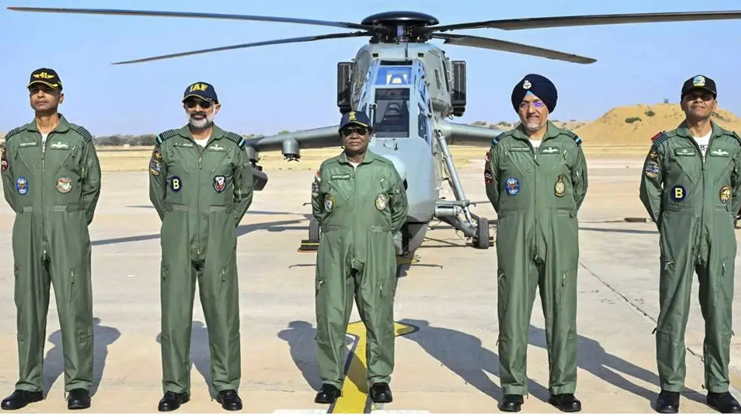
- Honorable President of India Droupadi Murmu made history on 27 February 2026 by flying a 25-minute sortie in the Light Combat Helicopter (LCH) ‘Prachand’ near the India-Pakistan border in Jaisalmer, Rajasthan.
- Clad in an olive green flying suit, she flew as co pilot from the Jaisalmer Air Force Station. With this flight, she became the first Indian President to undertake a sortie in an attack helicopter, marking a significant moment for India’s defence and indigenous military capabilities.
- The LCH Prachand is the India’s first indigenously designed and developed combat helicopter. It has been built by the Hindustan Aeronautics Limited (HAL).
- Key features of LCH Prachand include,
- Advanced avionics and stealth characteristics
- Night attack capability
- Air to air and air to ground missiles
- 20 mm turret gun and rockets
- High altitude operational capabilities
DRDO Carries Out Successful Flight Trials of VSHORADS
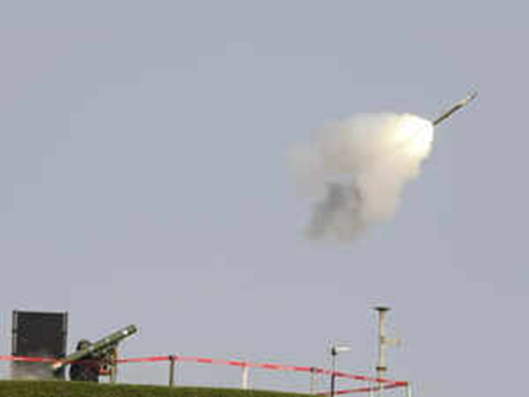
- The defence ministry on Friday said three flight-trials of a very short-range air defence missile system were conducted successfully from Chandipur off the coast of Odisha.
- It said the trials were carried out to “revalidate” the capability of the VSHORADS (Very Short-Range Air Defence System) missile system in neutralising high-speed threats flying at varying speed, range, and altitude.
- The VSHORADS is a man-portable air defence system designed and developed indigenously by Research Centre Imarat (RCI) in collaboration with other DRDO (DRDO) laboratories and Indian industry partners.
- “The flight data captured by various range instruments like telemetry, electro-optical tracking system and radars deployed by Integrated Test Range, Chandipur, validated the effectiveness of VSHORADS against a wide range of aerial threats,” the ministry said.
PM Modi And PM Mark Carney Launch Defence Dialogue
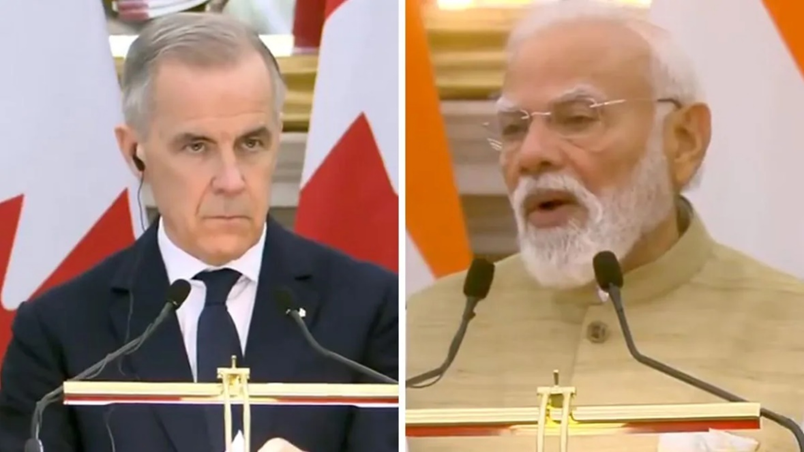
- India and Canada have taken a significant step forward in their bilateral relations with the announcement of a new Defence Dialogue during a high-level meeting in New Delhi. Prime Minister Narendra Modi made the declaration on Monday, 2 March 2026, in the presence of visiting Canadian Prime Minister Mark Carney. This development underscores a maturing partnership amid shared strategic interests.
- The announcements followed productive talks between the two leaders at Hyderabad House. Several Memorandums of Understanding (MoUs) were exchanged to broaden cooperation across key sectors.
- These included agreements on critical mineral cooperation, renewable energy promotion, and cultural ties, signed by Canadian Foreign Affairs Minister Anita Anand and India’s External Affairs Minister S Jaishankar.
- PM Modi highlighted the deepening trust in defence and security as a hallmark of the relationship. He stated that both nations would enhance defence industries, maritime domain awareness, and military exchanges. The establishment of the India-Canada Defence Dialogue marks a formal mechanism to advance these goals.
- People-to-people connections remain the bedrock of India-Canada ties, according to PM Modi. To bolster these, decisions were made on educational collaborations, particularly in artificial intelligence, healthcare, agriculture, and innovation. Canadian universities have agreed to open a campus in India, fostering greater academic exchange.
- Cultural inclusivity received attention, with an MoU aimed at strengthening bonds between indigenous and tribal communities. PM Modi also welcomed the Indian Ocean Rim Association’s interest in making Canada a Dialogue Partner, adding depth to maritime partnerships in the Indo-Pacific.
- Global security challenges, including terrorism, extremism, and radicalisation, were flagged as common threats. PM Modi emphasised the need for close collaboration to promote peace and stability. He reiterated India’s steadfast call for dialogue and diplomacy amid worldwide tensions.
- The situation in West Asia drew particular concern, with PM Modi advocating resolution through peaceful means. India remains committed to safeguarding its citizens in the region and will work with international partners, including Canada, to ensure their security.
- A long-term uranium supply agreement was unveiled, alongside a target to elevate bilateral trade to USD 50 billion by 2030. These economic pledges signal robust momentum in commerce and resource sharing.
Orders For 300 Indigenous Dhanush Howitzers
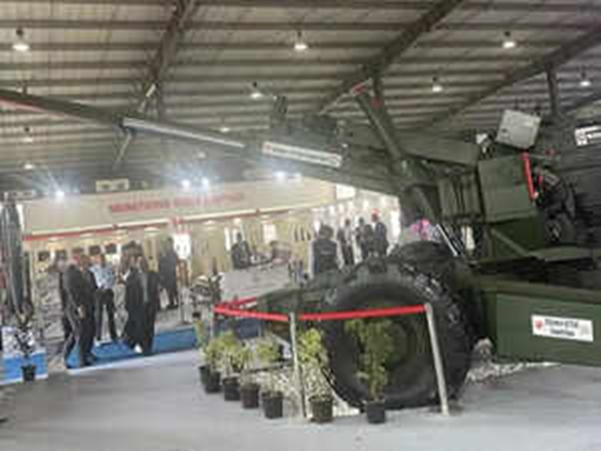
- Seeking to boost its preparedness, the Indian Army is going to place orders for buying 300 Dhanush Howitzers, which would be used to raise 15 regiments of the indigenous artillery guns in the force.
- This will be the second major order for the Dhanush artillery guns, which are manufactured by public sector companies based on the transfer of technology of the Bofors guns acquired in the 1980s.
- The Indian Army is going to soon place an order for 300 Dhanush Howitzers, and a high-level Defence Ministry meeting is likely to clear it soon.
- The 155 mm 45-calibre guns have already been inducted into the army, as 114 guns were ordered a few years ago. Around four regiments of the Dhanush guns have already been inducted into the force, and two more are expected to be inducted soon.
- The howitzer gun will fire 155mm ammunition and can be fitted with a bi-modular charge system (BMCS), thereby increasing its range. The artillery gun had completed its tests at Pokhran back in June 2018.
Defence Ministry Signs Deals Worth ₹5,083 Crore
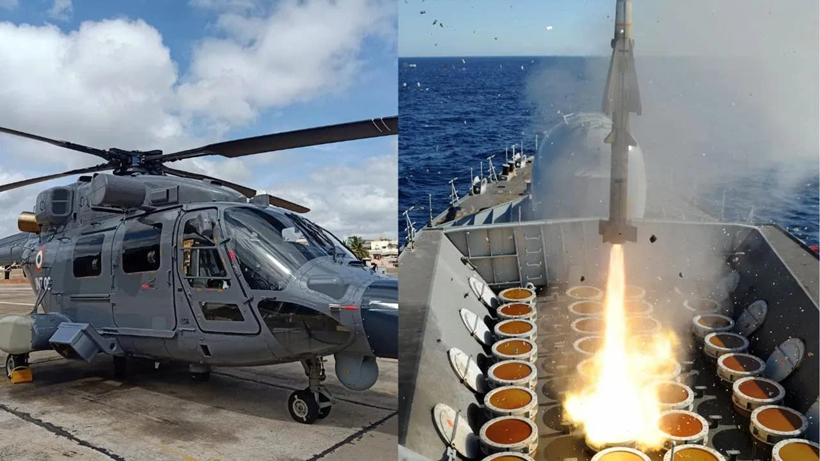
- The Ministry of Defence on Tuesday signed contracts worth ₹5,083 crore for the acquisition of six Advanced Light Helicopters (ALH) Mk-III (Maritime Role) for the Indian Coast Guard, and Surface-to-Air Vertical Launch – Shtil missiles for the Indian Navy.
- The contract for the six ALH Mk-III (MR) choppers, along with operational role equipment, an engineering support package, and performance-based logistics support, valued at ₹2,901 crore, has been signed with Hindustan Aeronautics Limited, Bengaluru.
- The purchase comes under the category of indigenously designed, developed, and manufactured products, the MoD said.
- The contract for the procurement of Surface-to-Air Vertical Launch – Shtil missiles and associated missile holding frames, valued at ₹2,182 crore, has been signed with JSC Rosoboronexport, a state-run company of the Russian Federation.
- The system will bolster the layered air defence architecture onboard Indian Navy platforms by providing rapid-reaction, all-weather engagement capability and improved survivability in contested maritime environments.
- The contract underscores the longstanding defence partnership between India and Russia, built on mutual trust and strategic alignment.
India Taps Space Startups For Launching ‘Bodyguard’ Satellites
- India’s security agencies have asked private startups to develop so-called bodyguard satellites as the country accelerates efforts to protect space assets at a time of heightened geopolitical tensions, according to people familiar with the matter.
- Under discussions between government agencies and private firms, several startups are working on these satellites, with the first test launch expected in the first half of 2026. Additional launches could follow by the end of this year or early next year, after which government agencies may adopt the technologies.
- The move comes amid growing concerns over space security, driven by recent geopolitical tensions and a near-miss incident in 2024 where a foreign spacecraft came dangerously close to an Indian satellite.
- During last year’s conflict with Pakistan, China provided satellite support to its ally, highlighting the need for stronger space defence capabilities.
- Startups are exploring two main types of bodyguard satellites: one equipped with a robotic arm capable of capturing or displacing threatening spacecraft, and another designed to encircle and shepherd away smaller aggressive satellites.
- This initiative is part of a larger strategy to strengthen India’s space surveillance and defence infrastructure. The government has fast-tracked its Space-Based Surveillance programme, planning to launch more than 50 spy satellites and eventually build a constellation of up to 150 satellites for continuous monitoring of the nation’s borders from space.
Next Vice Chief of Army Staff
- The Indian Army’s top brass is set for a reshuffle from 1 April, with several senior three-star officers moving into key operational commands and the post of Vice Chief of Army Staff.
- Lt Gen Dhiraj Seth, currently the General Officer Commanding-in-Chief of the Pune-based Southern Command, will move to Army Headquarters as the Vice Chief of Army Staff (VCOAS).
- An Armoured Corps officer commissioned in December 1986, Lt Gen Seth has held several command and staff appointments during his career.
- Prior to taking charge of Southern Command in July 2024, he commanded the Mathura-based XXI Strike Corps, one of the Army’s key strike formations.
- Lt Gen P.P. Singh, currently the Vice Chief of Army Staff, will take over as the Western Army Commander at Chandimandir next month, succeeding Lt Gen Manoj Kumar Katiyar. The Western Command is one of the Army’s most critical operational formations, overseeing the Pakistan front.
- An officer of the elite Parachute Regiment (Special Forces), Lt Gen P.P. Singh will be among the few Special Forces officers to head an Army Command.
- Another significant change will see Lt Gen V.M.B. Krishnan, currently serving as the Army’s Quartermaster General at Army Headquarters, take over as the Eastern Army Commander from 1 April. The Kolkata-based command oversees operations along the Line of Actual Control (LAC) with China in the eastern sector, as well as the borders with Myanmar and Bangladesh.
- Lt Gen Krishnan will succeed Lt Gen Ram Chander Tiwari, who has headed the Eastern Command since January 2024 and will retire later this month.
- An officer of the Dogra Regiment, Lt Gen Krishnan earlier commanded the strategically important XVII Corps, the Army’s mountain strike formation raised for operations along the China front. He has also served as Director General of Information Technology at Army Headquarters.
- Meanwhile, Lt Gen Sandeep Jain, currently the Chief of Staff at Southern Command, will be elevated to take over as the Southern Army Commander in Pune, replacing Lt Gen Seth when he moves to Army Headquarters.
- Lt Gen Jain earlier commanded the Ambala-based II Corps, also known as the Kharga Corps, one of the Army’s key strike formations on the western front.
Iran names Mojtaba Khamenei to Succeed His Slain Father As Supreme Leader
- Mojtaba Khamenei, a son of Iran’s late supreme leader, has been named his successor, Iranian state TV announced early Monday, as the war that began a little over a week ago with his father’s killing took a dramatic turn.
- The younger Khamenei, who had not been seen or heard from publicly since the war started, had long been considered a contender for the post, even before an Israeli strike killed Ayatollah Ali Khamenei, and despite never being elected or appointed to a government position.
- His appointment came after signs of a rift among Iranian officials as the country awaited a decision by the Assembly of Experts, a group of clerics that selects the supreme leader. State TV read a statement from the assembly saying he was selected based on “strong” votes and urging the nation to unite behind him. The station broadcast scenes of people celebrating in parts of Tehran.
- A secretive figure, the 56-year-old Khamenei now stands at the heart of Iran’s theocracy and will have final say over all matters of state. He will serve as commander-in-chief of the military and powerful paramilitary Revolutionary Guard. He also has authority over a stockpile of highly enriched uranium that could be used to build a nuclear weapon, if he chooses to decree it.
- The war between Israel, the United States vs Iran entered its tenth day on Monday with fresh missile exchanges, the appointment of a new supreme leader in Tehran, and attacks spreading across multiple countries in the Gulf region.
- Oil prices surged past $100 a barrel and Asian stock markets fell sharply as the widening conflict raised fears of prolonged instability in the Middle East.
Idea Forge Launches Specialised Drone Flight-Test
- India’s drone technology sector has achieved a significant milestone as ideaForge Technology Ltd launched a specialised drone flight-test training programme for military personnel from North Atlantic Treaty Organization (NATO) countries in the United States. The initiative highlights India’s growing global reputation in advanced unmanned aerial vehicle (UAV) technologies and defence innovation.
- Training Programme at NTPS
- The training programme is being conducted at the National Test Pilot School (NTPS) in the United States through ideaForge’s American subsidiary, ideaForge Technology Inc. This week-long exercise began on March 9 and aims to provide hands-on training to military personnel from NATO and allied forces across multiple continents.
- The initiative marks the first time an Indian UAV company has conducted such specialised training for NATO forces, demonstrating international confidence in India’s indigenous defence technology.
- Use of SWITCH UAV Platform
- The training programme uses the NATO-certified SWITCH unmanned aerial vehicle (UAV) developed by ideaForge. This advanced drone platform is designed for intelligence, surveillance, reconnaissance (ISR), and tactical missions. It is capable of operating in diverse terrains and challenging environmental conditions, making it suitable for military operations.
- Participants will receive practical training in multiple aspects of drone operations, including:
- Flight-test planning and execution
- Operational deployment of UAV systems
- Telemetry monitoring and payload operations
- Mission performance evaluation
- Post-flight data analysis
- These modules are designed to simulate real operational environments so that trainees can understand the full testing cycle of UAV systems.
- Participation from Global Military Forces
- The programme has attracted participants from several major defence forces around the world. Military personnel taking part in the training include representatives from:
- Royal Canadian Air Force
- Israeli Air Force
- Indian Navy
- German Defence Forces (Bundeswehr)
- Australian Air Force
- Italian Air Force
- Swedish Armed Forces
- United States Air Force
- The presence of multiple allied forces highlights the international significance of the programme and the increasing role of UAV technology in modern military strategies.
- Enhancing Military Capabilities
- The training aims to strengthen monitoring, analysis, and tactical capabilities of military personnel involved in drone operations. By replicating real-world missions, the programme allows participants to evaluate UAV performance in surveillance, reconnaissance, and strategic planning tasks.
- According to defence experts, the collaboration reflects a broader shift in modern warfare where drones and autonomous systems are becoming central to intelligence gathering and operational effectiveness.
India Emerges as the World’s Second-Largest Arms Importer: SIPRI Report
- India has emerged as the world’s second-largest importer of arms and military equipment, according to a recent report by the Stockholm International Peace Research Institute (SIPRI). The report highlights India’s continued dependence on foreign defence equipment despite growing efforts to boost domestic manufacturing under initiatives such as Make in India.
- Global Ranking in Arms Imports
- The SIPRI analysis of international arms transfers between 2021 and 2025 shows that Ukraine was the largest arms importer globally, accounting for about 9.7% of global imports, largely due to its ongoing war with Russia. India ranked second, representing about 8.2–8.3% of global arms imports during the same period.
- This indicates that India remains one of the largest defence markets in the world, reflecting its significant security requirements and strategic challenges.
- Major Arms Suppliers to India
- The report also provides insights into the countries that supply most of India’s defence equipment. Despite diversification, Russia continues to remain India’s largest arms supplier, although its share has gradually declined over time.
- The key suppliers of India’s arms imports during the period include:
- Russia – about 40% of India’s imports
- France – around 29%
- Israel – roughly 15%
- This shift suggests that India is increasingly diversifying its defence procurement sources and strengthening partnerships with Western countries.
- Declining Dependence on Russia
- Historically, India relied heavily on Russian defence equipment. However, SIPRI data shows that Russia’s share of India’s arms imports has gradually declined, falling from about 70% in the early 2010s to around 40% in recent years.
- This change reflects India’s efforts to reduce dependence on a single supplier and expand defence cooperation with countries such as France, Israel, and the United States.
- Reasons Behind High Arms Imports
- Several factors contribute to India’s high level of defence imports:
- Regional security challenges, including tensions with neighbouring countries.
- Modernisation of the armed forces, which requires advanced aircraft, missile systems, and surveillance technology.
- Technological gaps in domestic defence manufacturing that still require foreign collaboration.
- Push for Indigenous Defence Production
- The Indian government has been promoting domestic defence manufacturing through policies like Atmanirbhar Bharat and Make in India. These initiatives aim to strengthen indigenous production and reduce long-term dependence on foreign suppliers.
- Although imports remain significant, India is increasingly investing in domestic defence industries, joint ventures, and technology transfers to develop its own advanced military systems.
India–Seychelles Troops Begin Joint Military Exercise ‘Lamitiye’
- India and Seychelles have started the joint military exercise “Lamitiye”, aimed at strengthening defence cooperation and improving operational coordination between the armed forces of both countries. The exercise highlights the growing strategic partnership between India and the island nation in the Indian Ocean Region (IOR).
- Location and Duration of the Exercise
- The 11th edition of Exercise Lamitiye is being held at the Seychelles Defence Academy from 9 March to 20 March 2026. The joint training programme brings together troops from the Indian Armed Forces and the Seychelles Defence Forces (SDF) to enhance their military cooperation and exchange operational expertise.
- Tri-Service Participation by India
- A significant feature of this year’s exercise is the participation of all three branches of the Indian Armed Forces—the Army, Navy, and Air Force.
- The Indian contingent includes:
- Personnel from the Assam Regiment of the Indian Army
- Deployment of the Indian Navy warship INS Trikand
- Participation of the Indian Air Force with a C-130 transport aircraft
- This tri-service involvement reflects India’s focus on joint military operations and integrated defence capabilities.
- Training Activities and Military Drills
- During the exercise, troops from both countries will participate in several military activities designed to enhance tactical coordination and combat readiness. These include:
- Field training exercises
- Tactical planning and combat discussions
- Case studies on military operations
- Lectures and technology demonstrations
- Validation exercises to test operational readiness
- The drills are mainly focused on sub-conventional operations in semi-urban environments, which are increasingly relevant for modern security challenges.
- Meaning and History of the Exercise
- The term “Lamitiye” means “friendship” in the Creole language, symbolizing the close defence partnership between India and Seychelles. The exercise is conducted every two years (biennially) and has been hosted in Seychelles since 2001.
Trials of ‘ADC-150’ from P8I Aircraft
- DRDO and the Indian Navy jointly conducted four successful in-flight release trials of the indigenous Air Droppable Container ‘ADC-150’ from the P8I aircraft off the coast of Goa between February 21 – March 1, at different extreme release conditions.
- As per the release, indigenously designed and developed to deliver a 150 kg payload, the Air Droppable Container enhances the naval operational logistics capabilities for providing quick response to naval vessels under distress, needing critical stores/equipment, medical assistance, etc., at sea, deployed far from the coast.
- The Naval Science and Technological Laboratory, Visakhapatnam, is the nodal laboratory for the activity. Aerial Delivery Research and Development Establishment, Agra, has developed the parachute system and Centre for Military Airworthiness and Certification, Bengaluru, provided the flight clearance and certification.
- Defence Research and Development Laboratory, Hyderabad, provided the instrumentation support for the trials.
- To meet the requirements of the Indian Navy, the ADC-150 system for the P8I aircraft was developed and qualified in a short timeframe.
‘Defence Forces Vision 2047’ Roadmap
- An ambitious vision document broadly outlining a series of strategic reforms, capability enhancements and organisational changes required to bolster the Indian military was unveiled by Defence Minister Rajnath Singh.
- The release of the document came eight months after the military conflict between India and Pakistan. Following the May 7 to 10 conflict, all three forces were asked to work on the lessons learnt from it.
- The ‘Defence Forces Vision 2047: A Roadmap for a Future-Ready Indian Military’ envisages the transformation of the military into an integrated, multi-domain and agile force capable of deterring adversaries and effectively responding to any conflict.
- According to an official release, the vision document details the strategic reforms, capability enhancements, and organisational changes necessary for the defence forces to effectively address evolving geostrategic, technological and security challenges.
- It aims to build a force capable of responding across the full conflict spectrum while protecting India’s expanding strategic interests amid rapidly changing global and regional dynamics.
Tata Advanced Systems Taps Ramco To Power Digital Backbone
- Tata Advanced Systems Limited (TASL) has selected Ramco Systems’ next-generation aviation software to power the digital backbone of its upcoming defence maintenance, repair and overhaul (MRO) facility that will service the Indian Air Force’s Lockheed Martin C-130J Super Hercules aircraft.
- Ramco Systems said it will deploy its integrated aviation MRO platform across TASL’s operations, covering functions such as contract and quote management, maintenance planning, hangar and component maintenance, supply chain management, engineering and quality, as well as customer billing.
- The software suite will also include Ramco’s mobile applications, e-publications, digital task cards and resource planning and optimisation tools, allowing real-time access to operational data across the shopfloor and connected functions.
- The upcoming facility will specialise in maintenance of the Lockheed Martin C-130J Super Hercules fleet operated by the Indian Air Force and is part of TASL’s push to build a technology-enabled MRO ecosystem.
Hyderabad Firm VEM Partners With TKMS To Manufacture Heavyweight Torpedoes
- ThyssenKrupp Marine Systems (TKMS), a leading German submarine and naval systems manufacturer, has signed a significant Teaming Agreement with VEM Technologies Pvt Ltd, a Hyderabad-based defence firm.
- This pact marks a pivotal step in bolstering India’s indigenous defence production capabilities under the ‘Make in India’ initiative, announced TKMS.
- The agreement focuses initially on the production of a heavyweight torpedo tailored for the Indian Navy’s existing submarine fleet. This collaboration aims to ensure timely upgrades and sustainment for platforms such as the Kalvari-class (Scorpene) submarines, which are already in service or nearing induction.
- VEM Technologies, known for its expertise in underwater systems and defence electronics, brings local manufacturing prowess to the table.
- Headquartered in Hyderabad, the firm has previously contributed to projects involving sonars, periscopes, and other submarine subsystems, making it a strategic partner for TKMS.
- TKMS, renowned for its advanced SeaHake heavyweight torpedoes, will transfer critical technology to enable joint production.
- The SeaHake series is celebrated for its long range, wire-guided precision, and multi-target capabilities, which could enhance the lethality of Indian submarines in the Indian Ocean region.
- This move aligns with India’s push for self-reliance in defence, particularly in niche areas like underwater warfare. The Indian Navy operates a mix of ageing assets, including Sindhughosh and Shishumar classes, which stand to benefit from modernised armaments without full-scale foreign imports.
Indo-French Aerospace Tie-Up For Landing Gear Systems
- Bharat Forge, a leading Indian engineering conglomerate, and France-based Liebherr-Aerospace & Transportation SAS have jointly inaugurated a state-of-the-art machining facility dedicated to landing gear components in Pune.
- This milestone development underscores India’s growing prowess in aerospace manufacturing and aligns with the nation’s push towards self-reliance in defence and aviation sectors.
- The facility, located in Pune’s industrial hub, represents a strategic partnership aimed at producing high-precision components for aircraft landing gear systems.
- Bharat Forge, renowned for its expertise in forging and machining, brings decades of experience in heavy engineering, while Liebherr-Aerospace, a global leader in aerospace equipment, contributes advanced technological know-how from its extensive portfolio in landing gear and actuation systems.
- Inaugurated on a crisp March morning in 2026, the event drew key dignitaries from both companies, including executives from Bharat Forge’s aerospace division and Liebherr’s international leadership.
- Speeches highlighted the synergy between Indian manufacturing capabilities and European precision engineering, positioning the venture as a cornerstone of Indo-French industrial collaboration.
Sagar Defence to Build Autonomous Naval Tech Shipyard
- Mumbai headquartered Sagar Defence Engineering’s project laid the stone breaking ceremony of the India’s first Autonomous Maritime Shipbuilding and Systems Centre at Juvvaladinne fishing harbour in Andhra Pradesh.
- The company has received 29.58 acres of land at the fishing harbour in Nellore district for the project from the Andhra Pradesh government. The proximity to sea will enable the company to carry out vessel construction, launch, testing and deployment for the establishment of the centre.
- The proposed maritime technology centre will focus on developing a new generation of autonomous platforms, including unmanned surface vessels (USVs), autonomous underwater vehicles (AUVs), intelligent navigation systems, advanced maritime sensors, secure communication networks and integrated command-and-control systems for autonomous operations.
- These innovations are aimed at enabling maritime platforms to function with minimal human intervention, improving operational efficiency, safety and mission capability across defence and commercial applications.
- As part of its technology roadmap, the shipyard plans to deploy digital twin systems that create virtual replicas of vessels and shipyard infrastructure. This will allow engineers to simulate vessel performance, test upgrades and refine designs in a controlled virtual environment before actual deployment, reducing costs and development timelines.
Mazagon Dock’s ₹23,758 Cr Order Book
- Mazagon Dock Shipbuilders Ltd, a cornerstone of India’s maritime defence industry, boasts an impressive order book valued at ₹23,758 crore, fuelling investor interest amid escalating regional tensions.
- Established in 1934 under the Ministry of Defence and based in Mumbai, the company excels in designing, constructing, repairing, and refurbishing advanced warships and submarines for the Indian Navy and Coast Guard. With a market capitalisation of ₹93,927.03 crore, its shares recently dipped by up to 5.2 per cent to a low of ₹2,320, down from the previous close of ₹2,447.90.
- The company’s legacy is formidable, having delivered 806 vessels since 1960, including 31 warships from missile boats to sophisticated destroyers, and 8 submarines.
- Mazagon Dock has also catered to international clients with cargo ships, passenger vessels, supply ships, multipurpose support vessels, water tankers, tugs, dredgers, fishing trawlers, barges, and even border outposts. Beyond naval assets, it has produced offshore structures like jackets, wellhead platform main decks, process platforms, and jack-up rigs, underscoring its versatility across defence and commercial sectors.
- At the heart of its current momentum lies the Shipbuilding Division, which dominates the order book with high-value contracts from the Ministry of Defence. Key projects include the P15B Destroyers worth ₹28,745 crore and P17A Stealth Frigates at ₹27,254 crore, both pivotal for bolstering India’s naval prowess. The division is also executing orders for 21 Indian Coast Guard Ships (ICGS), encompassing CTS, NGOPV, and FPV types to enhance coastal security.
India’s Homegrown 1 kN Turbojet
- The Council of Scientific and Industrial Research – National Aerospace Laboratories (CSIR-NAL) has achieved a significant milestone in India’s defence self-reliance by developing the indigenous NJ100 small turbojet engine.
- Rated at 1 kN thrust, this compact powerplant is tailored for unmanned aerial vehicles (UAVs), loitering munitions, and missile systems. Unveiled amid growing emphasis on Atmanirbhar Bharat in aerospace, the NJ100 marks a departure from reliance on foreign imports for critical propulsion technologies.
- CSIR-NAL, a premier R&D institution under the Council of Scientific and Industrial Research, spearheaded the project through its Gas Turbine Research Establishment (GTRE) collaboration and in-house expertise.
- The engine’s development aligns with national priorities to indigenise small turbojet engines, previously sourced from international suppliers like France’s Turbomeca or the United States. This breakthrough enhances India’s strategic autonomy in drone swarms and precision-guided munitions.
- At its core, the NJ100 delivers 1 kilonewton (approximately 102 kgf) of thrust, making it ideal for lightweight platforms weighing 50-150 kg.
- Its single-spool design features a centrifugal compressor, annular combustor, and axial turbine, optimised for high thrust-to-weight ratios exceeding 6:1. Dry weight hovers around 15-20 kg, enabling seamless integration into air-launched cruise missiles and high-speed target drones.
- CSIR-NAL aims for Technology Readiness Level (TRL) 8 by 2027, following user trials with DRDO and tri-services. Export potential to friendly nations like Vietnam or the Philippines further amplifies its strategic value.
Exercise ‘Freedom Shield’
- The United States and South Korea have started their annual Freedom Shield joint military exercise. The drills come at a time when there are growing discussions about possible U.S. military movements related to tensions in the Middle East.
- Freedom Shield is a large annual defense exercise conducted by the armed forces of United States and South Korea. The exercise focuses on improving coordination between the two allies and strengthening their ability to respond to possible security threats.
- The drills include:
- Command-post simulations
- Field training exercises
- Joint military coordination activities
India Approves 23 Quantum Labs
- India’s National Quantum Mission (NQM) has marked a significant milestone with the approval of 23 academic institutions to establish quantum teaching laboratories.
- This development emerged from the joint monthly meeting of Secretaries of Science Ministries, held in New Delhi on 16 March 2026. Another 100 proposals remain under evaluation, signalling robust momentum in the country’s quantum technology drive.
- The NQM, sanctioned with a substantial budget of ₹6,003.65 crore for the period 2023–2031, harbours ambitious goals. It seeks to engineer quantum computers boasting 50 to 1,000 qubits, alongside satellite-based secure communication systems and high-precision quantum sensors and materials.
- These objectives position India to leapfrog into the forefront of quantum innovation.
- A Polar Satellite Launch Vehicle (PSLV) mission looms on the horizon later this year, while a dedicated navigation satellite for the Indian Navy is slated for launch around May. These space endeavours underscore the intersection of quantum advancements with India’s broader aerospace and defence priorities.
- The Department of Science and Technology (DST) is actively refining manpower guidelines for project staff. These norms, last updated in 2020, are being aligned with the Anusandhan National Research Foundation framework to better support ongoing quantum and scientific initiatives.
Ordnance Factory Day 2026
- Ordnance Factory Day 2026 is observed across the India on 18 March. This day is to celebrate the India’s rich legacy in defense manufacturing and self reliance. This day marks the beginning of production at India’s first ordnance facility in Cossipore in the Kolkata in 1802.
- This day serves as the platform for the,
- Showcasing the defense technology and equipment
- Also highlighting the role of engineers and workers
- Promoting the awareness about India’s defense manufacturing sector
- History of Ordnance Factory Day
- 1775: Establishment of the Board of Ordnance at Fort William, Kolkata
- 1787: The Gunpowder factory set up at Ishapore
- 1802: Production begins at the Cossipore (first ordnance factory)
- 1947: India inherits 18 ordnance factories after independence
- 1979: Formation of Ordnance Factory Board (OFB)
- 2021: OFB restructured into 7 Defence Public Sector Undertakings (DPSUs)
- Key facts
- 41 factories across India
- Over 70,000 employees
- Revenue of around ₹19,000 crore
- Exports to 30+ countries
Successful 24 Pinaka-ER Rocket Trials At Pokhran
- Solar Group has achieved a significant milestone with the successful maiden proof trial of two production lots of Pinaka Extended Range Rockets. The trial was conducted at the Pokhran Field Firing Range, marking the first time such an exercise has been carried out in the country.
- During the trial, a total of 24 Pinaka Enhanced rockets were flight tested. The evaluation focused on accuracy, consistency, and lethality, all of which are critical parameters for battlefield effectiveness.
- These trials meticulously evaluated the rockets for accuracy, consistency, and lethality. All 24 projectiles demonstrated exemplary performance, validating the system’s reliability under real-world conditions. This outcome reflects rigorous engineering and adherence to stringent military standards.
- Complementing these private sector advances, DRDO itself conducted the maiden flight test of the Pinaka Long Range Guided Rocket (LRGR-120) in late December 2025.
- Boasting an impressive 120 km range, this variant maintains compatibility with existing multi-barrel rocket launcher (MBRL) platforms, enhancing the system’s scalability without requiring major infrastructure overhauls.
Lokesh Machines Clinches ₹9.5 Cr ASMI SMG Deal
- Hyderabad-based Lokesh Machines Limited has secured a significant ₹9.5 crore contract from the Sashastra Seema Bal (SSB). The deal involves supplying indigenous ASMI 9×19mm submachine guns (SMGs), marking a milestone for private sector involvement in small arms manufacturing.
- The ASMI, developed by the DRDO represents a leap in indigenous small arms technology. Chambered in the standard 9×19mm Parabellum round, it combines high reliability with low recoil, making it ideal for close-quarters combat.
- Financially, the ₹9.5 crore deal boosts Lokesh Machines’ order book in defence. It signals potential for larger contracts, as the government pushes for 75% indigenous content in procurements by 2025-26.
- This development bodes well for India’s small arms ecosystem. With ASMI now entering serial production, other paramilitary forces like CRPF and BSF may follow suit, reducing import dependence that once exceeded 70%.
Indian Army’s ‘Amogh Jwala’ Exercise
- The Indian Army’s Southern Command has successfully concluded a pivotal 13-day exercise named ‘Amogh Jwala’ at the Babina Field Firing Ranges in Uttar Pradesh. Launched on 6 March, the drill reached its climax, showcasing the force’s prowess in technology-driven mechanised warfare within a complex multi-domain environment.
- ‘Amogh Jwala’ rigorously tested innovative operational concepts, refined force structures, and updated procedures tailored to contemporary warfare demands.
- It highlighted the coordinated deployment of mechanised units with attack helicopters, fighter aircraft, unmanned aerial systems, counter-drone measures, and network-centric battlefield platforms, all underpinned by a resilient command and control framework.
- High-tempo mechanised manoeuvres took centre stage, featuring synchronised fire-and-manoeuvre tactics. Real-time surveillance and target acquisition via drones ensured precision, while the integration of cutting-edge battlefield technologies amplified effectiveness across land, air, cyber, space, intelligence, surveillance, reconnaissance (ISR), and electronic warfare (EW) domains.
- For the Indian Army, ‘Amogh Jwala’ serves as a critical validation of its Integrated Battle Groups (IBGs) and brigade-level formations, enhancing interoperability with the Indian Air Force and other services.
Indian Navy warship Nilgiri joins Exercise KAKADU 2026 in Australia
- The Indian Navy continues to expand its global maritime presence with the deployment of its advanced warship INS Nilgiri in the multinational naval exercise Exercise Kakadu 2026, hosted by Australia. This participation highlights India’s growing role in ensuring security and cooperation across the Indo-Pacific region.
- Participation in Exercise Kakadu 2026
- INS Nilgiri is currently engaged in the sea phase of Exercise Kakadu 2026 as part of its operational deployment to the Western Pacific Ocean. The exercise is one of the largest multilateral maritime drills conducted by Australia, bringing together naval forces from several Indo-Pacific nations.
- The Indian Navy shared that the primary objective of the exercise is to enhance coordination among participating navies. It focuses on improving interoperability, joint operations, and maritime understanding, which are crucial for maintaining stability in the region.
- Significance of the Exercise
- Exercise Kakadu serves as an important platform for strengthening defence ties and promoting collaboration among friendly nations. By participating in such exercises, India reinforces its commitment to:
- Maritime security in the Indo-Pacific
- Strengthening international naval partnerships
- Enhancing joint operational capabilities
- The exercise also allows participating navies to conduct complex maritime operations, share best practices, and improve tactical coordination.
- INS Nilgiri: A Modern Stealth Warship
- INS Nilgiri is a state-of-the-art guided-missile stealth frigate of the Indian Navy, developed under Project 17A. Commissioned in 2025, the warship represents India’s advancement in indigenous defence manufacturing and modern naval technology.
- Equipped with advanced stealth features, modern sensors, and combat systems, the ship is capable of performing a wide range of missions, including:
- Anti-submarine warfare
- Surface and air defence
- Maritime surveillance and patrol
- Its participation in international exercises like Kakadu demonstrates India’s operational readiness and technological capability.
- India’s Growing Naval Presence
- India’s involvement in Exercise Kakadu 2026 reflects its broader strategic vision of being an active and responsible maritime power. The Indian Navy has been consistently engaging in joint exercises and overseas deployments to strengthen regional stability and cooperation.
- Such initiatives also align with India’s focus on “Security and Growth for All in the Region (SAGAR)”, emphasizing peaceful collaboration and collective security in the Indo-Pacific.
Operation True Promise 4
- The Islamic Revolutionary Guard Corps (IRGC) has announced the 78th wave of its ongoing military campaign, “Operation True Promise 4,” marking a significant escalation in the ongoing conflict in West Asia. The statement accompanying this announcement reflects a hardened stance by Iran, emphasizing that it “negotiates with enemies through impact-driven strikes,” signaling a shift toward direct and forceful engagement rather than traditional diplomacy.
- Background of the Operation
- Operation “True Promise 4” began in response to what Iran describes as aggressive actions by Israel and the United States. The campaign represents a series of retaliatory strikes involving missiles and drones targeting military and strategic sites across the region.
- This operation is part of a broader conflict that escalated rapidly in early 2026, where Iran responded within hours to coordinated attacks by its adversaries.
- Details of the 78th Wave
- According to IRGC statements, the 78th wave involved precision missile and drone strikes on key locations, including:
- The port city of Eilat
- Areas near Dimona, associated with Israel’s nuclear infrastructure
- Northern parts of Tel Aviv
- Advanced missile systems such as Emad and multi-warhead Qadr missiles were reportedly used in the attacks.
- The IRGC described these strikes as part of a “new phase” of intensified military action, highlighting both technological capability and strategic intent.
- “Impact-Driven Negotiation” Strategy
- One of the most striking aspects of the announcement was the IRGC’s statement that it is:
- “negotiating with enemies through impact-driven operations”
- This phrase indicates a doctrine where military pressure replaces conventional diplomatic negotiation, suggesting that Iran aims to force outcomes on the battlefield rather than at the negotiating table.
- Potential for Further Escalation
- The IRGC warned that the situation could escalate even further, stating that:
- Many combat units are still not deployed
- Millions of Basij volunteer forces remain available
- Future responses could be rapid and more severe
- This warning underscores the possibility of a prolonged and intensifying conflict, with broader regional consequences.
- Regional Impact
- The conflict is already affecting neighboring countries. For example:
- Air defence operations in the region have caused collateral disruptions, including damage to infrastructure such as power lines in nearby countries.
- Previous waves of the operation have targeted not only Israeli locations but also U.S. military bases across West Asia, expanding the scope of the conflict.
CAPF Bill 2026 Sparks Opposition Protest in Rajya Sabha
- The introduction of the Central Armed Police Forces (CAPF) Bill, 2026 in the Rajya Sabha has triggered strong opposition protests, highlighting a major debate over reforms in India’s paramilitary forces. The bill, presented by the government as a step toward administrative clarity and efficiency, has instead become a point of political and institutional conflict.
- What is the CAPF Bill 2026?
- The CAPF Bill aims to create an “umbrella law” governing recruitment, deputation, promotions, and service conditions of officers in forces like the CRPF, BSF, ITBP, and CISF.
- A key provision of the bill is to formalize and expand the role of Indian Police Service (IPS) officers in senior leadership positions:
- Around 50% of Inspector General (IG) posts for IPS officers
- At least 67% of Additional Director General (ADG) posts
- All Director General (DG) and Special DG posts reserved for IPS officers
- The government argues that this will improve coordination between Centre and states and enhance operational efficiency.
- Why is the Opposition Protesting?
- Opposition parties strongly protested the bill in the Rajya Sabha, raising several concerns:
- 1. Violation of Supreme Court Directions
- Critics argue that the bill goes against a 2025 Supreme Court judgment, which had directed a reduction in IPS deputation in CAPFs to give more opportunities to cadre officers.
- 2. Discrimination Against CAPF Cadre Officers
- Opposition leaders and former officers claim the bill:
- Limits promotion opportunities for CAPF cadre officers
- Strengthens the dominance of IPS officers
- Creates inequality within the forces
- 3. Impact on Morale and Career Growth
- CAPF officers often take much longer to get promotions compared to IPS officers. Critics warn that the bill may:
- Further delay promotions
- Increase dissatisfaction
- Lead to more resignations or voluntary retirements
- Government’s Stand
- The government has defended the bill, stating that:
- There is currently no unified legal framework, leading to confusion and litigation
- The bill will bring clarity, uniformity, and efficiency
- IPS deputation ensures better coordination in national security operations
- It also emphasizes that CAPFs play a critical role in internal security, border protection, and counter-insurgency, making strong leadership essential.
- The Core Issue: CAPF vs IPS Debate
- At the heart of the controversy is a long-standing conflict:
- CAPF Cadre Officers: Direct recruits within forces, seeking better promotion opportunities
- IPS Officers: Deputed officers who often occupy top leadership roles
- This has created tension over power, promotions, and representation, which the new bill has intensified.
BEL Signs MoU With RRP Group
- Bharat Electronics Limited (BEL) signed a Memorandum of Understanding (MoU) with RRP Electronics and RRP Defense to jointly explore business opportunities across semiconductors, electro-optics and unmanned systems.
- The partnership brings together BEL’s experience in advanced defence electronics and mission-critical systems with RRP Electronics’ semiconductor manufacturing capabilities and RRP Defense’s expertise in electro-optical (EO) systems and UAV platforms, the company said in a statement.
- The companies aim to jointly identify, design and develop technologies for defence and strategic applications, including high-precision EO systems such as surveillance systems and weapon sights, semiconductor devices and next-generation unmanned solutions.
- The collaboration is expected to support India’s indigenisation push and strengthen domestic defence capabilities, while also opening up export opportunities in line with the defence ministry’s policies.
29 New ITBP Outposts Set Up Along China Border
- The Indo-Tibetan Border Police (ITBP) has strengthened its presence with 29 new border outposts along the India-China border since 2020 as part of a broader security buildup along the 3,488 km border, according to a report of the Ministry of Home Affairs.
- The new border outposts (BOPs) span altitudes ranging from 9,000 feet to 18,750 feet across the Western, Middle, and Eastern sectors along the Himalayas, from the Karakoram Pass in Ladakh to Jachep La in Arunachal Pradesh, the report for 2024-25, adding the ITBP is manning a total of 209 BOPs.
- The number of ITBP-managed BOPs was 180, according to the ministry’s earlier report for 2020-21.
- The increase in the number of BOPs comes in the wake of the 2020 clash between Indian and Chinese troops in the Galwan Valley which marked the most serious military conflict between the two sides in decades.
- The ITBP had conducted 4,503 patrols along the Indo-China border from April to December 2024 to keep strict vigil, the latest report said.
Indian Army Integrates Shaurya Drone Squadrons
- Indian Army has taken a decisive step in reshaping the future of armoured warfare by embedding drone squadrons directly into its tank regiments. The activation of 6 Shaurya Squadrons marks a doctrinal shift, integrating surveillance, precision strike & electronic warfare capabilities with heavy armour.
- This transformation was showcased during Exercise Amogh Jwala, where tanks manoeuvred alongside drones to demonstrate a new level of battlefield synergy. The move reflects lessons learned from recent conflicts and India’s own operational experiences, underscoring the growing importance of unmanned systems in modern combat.
- These squadrons are not mere adjuncts but integral components of armoured formations. By joining over 5,000 tanks across the Army’s arsenal, they provide real-time intelligence, swarm strike capabilities, and coordinated firepower.
- When paired with T-90 Bhishma, T-72 Ajeya, and Arjun Mk1A tanks, these drones extend the reach of armoured units, allowing commanders to make faster decisions and deliver decisive effects.
- Early deployments have already begun across five Army commands, with plans to eventually equip all 67 armoured regiments. The phased rollout will be informed by operational outcomes from these initial squadrons, ensuring that lessons from field exercises translate into refined doctrine and tactics
As Drone Use Rises, India Back To Tunguska Shield
- Amid rising drone threats, India has placed fresh orders for Tunguska air defence missiles from Russia, reviving and upgrading a legacy system now adapted for counter-unmanned warfare.
- The defence ministry on Friday signed a ₹445 crore deal to procure new missiles for the system, originally inducted in the 1990s. “These cutting-edge missiles will enhance India’s multilayered air defence against aerial threats, including aircraft, drones and cruise missiles,” officials said, adding that the deal further strengthens the Indo-Russian strategic partnership.
- The upgraded missiles are tailored to counter low-flying drones, which have exposed gaps in high-end systems like the S-400 that are optimised for larger, faster targets.
- A key vulnerability of expensive platforms such as the S-400 is their exposure to low-cost drone swarms. Flying at low altitudes, these drones can overwhelm defences, inflicting damage even if a small fraction penetrates.
- India and Russia have for years discussed upgrades to the Tunguska system, which combines surface-to-air missiles with twin 30 mm guns to tackle small, slow-moving aerial threats. As a close-in weapon system, it can create a dense defensive fire envelope against incoming drones.
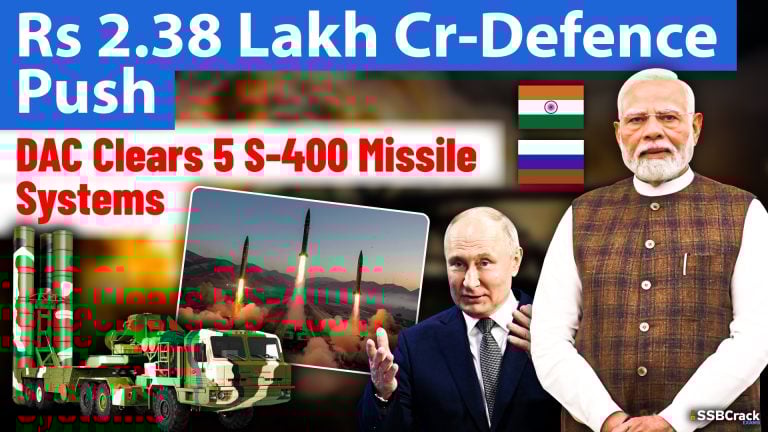
Defence Capability Bristling As Rs 2.4 Lakh Crore Fresh Deals Get Nod
- The defence ministry has approved several major procurement deals for unmanned strike aircraft, S-400 air defence systems, transport aircraft and artillery guns that are valued at over ₹2.38 lakh crore.
- Among the procurements cleared by the Rajnath Singh-led Defence Acquisition Council (DAC) was the acquisition of new military transport aircraft (MTAs) that will be made in India with the assistance of a foreign technology partner. Singh is India’s defence minister.
- Valued at around ₹1 lakh crore, the procurement will see keen competition among Indian private sector firms that will be required to supply 60 transport aircraft with a high level of indigenisation.
- For the Army, approvals were accorded for the Air Defence (AD) Tracked System, Armoured Piercing Tank Ammunition, High Capacity Radio Relay, Dhanush Gun System and Runway Independent Aerial Surveillance System.
- The Army is expected to order 300 Dhanush Gun System to expand its fleet, enhancing the artillery’s capabilities to engage targets at longer ranges in all terrains with enhanced lethality and accuracy.
- Separately, the defence ministry signed contracts worth Rs 858 crore for procurement of Tunguska air defence missile systems and inspection of P-8I long-range maritime reconnaissance aircraft. The Rs 445 crore Tunguska contract for the Army was signed with Russia’s JSC Rosoboronexport in the presence of Defence Secretary Rajesh Kumar Singh. Officials said the systems will enhance India’s multi-layered air defence capability and strengthen defence cooperation with Russia.
Operation Urja Suraksha
- In a swift response to escalating tensions in West Asia, the Indian Navy has initiated Operation Urja Suraksha. This meticulously planned mission focuses on escorting and safeguarding India-bound energy shipments navigating the critically important Strait of Hormuz.
- Iran’s recent blockade of the strait has heightened risks for global maritime trade, prompting India to act decisively to protect its energy lifelines.
- The operation unfolds with calculated precision and deliberate low visibility. Senior naval officials emphasise that the primary aim is to guarantee the seamless and secure passage of Indian-flagged vessels laden with essential energy cargoes. This approach minimises disruptions while maximising safety in a volatile region.
- All vessels carrying liquefied natural gas (LNG), liquefied petroleum gas (LPG), and crude oil destined for Indian ports have been meticulously identified. These ships form the backbone of India’s energy imports, with the Strait of Hormuz serving as a chokepoint through which nearly 20 per cent of the world’s oil supply flows daily.
- A senior naval officer revealed that warships are not merely providing escorts. They offer specialised navigational guidance to vessel crews, aiding safe traversal through the Persian Gulf and the narrow, hazard-prone waters of the Strait of Hormuz.
- This support extends into the Arabian Sea, ensuring layered protection until ships reach comparatively secure zones.
- The Strait of Hormuz, a mere 33 kilometres wide at its narrowest, has long been a geopolitical flashpoint. Iran’s blockade, announced amid heightened hostilities reported on 26 March 2026, disrupts a corridor handling over 21 million barrels of oil daily. For India, which imports around 85 per cent of its crude oil needs, the stakes could not be higher.

Review Questions
- The Light Combat Helicopter ‘Prachand’ has been developed by:
A. DRDO
B. ISRO
C. Bharat Electronics Limited
D. Hindustan Aeronautics Limited
ANSWER: D - Who became the first Indian President to undertake a sortie in an attack
helicopter?
A. Pratibha Patil
B. Ram Nath Kovind
C. Droupadi Murmu
D. A.P.J. Abdul Kalam
ANSWER: C - VSHORADS missile system has been developed by which organisation?
A. Indian Navy
B. DRDO
C. ISRO
D. Bharat Electronics Limited
ANSWER: B - Assertion (A): Iran’s geographic location at the crossroads of the Middle East,
Central Asia, and South Asia makes it strategically important.
Reason (R): Iran controls access to the Strait of Hormuz, a key global energy
transit route where a significant share of the world’s oil is transported.
A. Both A and R are true and R explains A.
B. Both A and R are true but R does not explain A.
C. A is true but R is false.
D. A is false but R is true.
ANSWER: A - Assertion (A): Iran’s location gives it a natural advantage for regional
connectivity through rail and road corridors.
Reason (R): Iran is part of the International North–South Transport Corridor
(INSTC), linking India, Iran, Russia, and Europe to reduce transit time and cost.
A. Both A and R are true and R explains A.
B. Both A and R are true but R does not explain A.
C. A is true but R is false.
D. A is false but R is true.
ANSWER: A - Assertion (A): Iran cannot influence global oil markets because it has limited
maritime routes.
Reason (R): The Strait of Hormuz is a crucial chokepoint for oil export, with
around one-fifth of seaborne petroleum passing through it daily.
A. Both A and R are true and R explains A.
B. Both A and R are true but R does not explain A.
C. A is true but R is false.
D. A is false but R is true.
ANSWER: D - Which of the following statements correctly describes the geographical
relationship between the Gulf of Oman and the Strait of Hormuz?
A. The Strait of Hormuz connects the Arabian Sea to the Gulf of Oman.
B. The Strait of Hormuz connects the Persian Gulf to the Gulf of Oman.
C. The Gulf of Oman connects the Red Sea to the Mediterranean Sea.
D. The Strait of Hormuz lies between the Gulf of Aden and the Arabian Sea.
ANSWER: B - The MoD signed a contract worth ₹2,901 crore with which organization for the
acquisition of 6 ALH Mk-III for the ICG?
A. Bharat Electronics Limited
B. Mazagon Dock Shipbuilders Limited
C. Hindustan Aeronautics Limited
D. Defence Research and Development Organisation
ANSWER: C - The procurement of six ALH Mk-III helicopters for the ICG falls under which
acquisition category?
A. Buy (Global)
B. Buy and Make (Foreign)
C. Buy (Global – Manufactured in India)
D. Buy (Indian – Indigenously Designed, Developed and Manufactured)
ANSWER: D - The indigenous Air Droppable Container (ADC-150) was tested from which
aircraft?
A. Sukhoi Su-30MKI
B. P-8I Maritime Patrol Aircraft
C. C-17 Globemaster
D. Rafael
ANSWER: B - The ADC-150 system is designed to deliver a payload of approximately:
A. 50 kg
B. 100 kg
C. 150 kg
D. 300 kg
ANSWER: C - Which DRDO laboratory served as the nodal laboratory for the ADC-150
project?
A. Defence Research and Development Laboratory (DRDL), Hyderabad
B. Naval Science and Technological Laboratory (NSTL), Visakhapatnam
C. Aerial Delivery Research and Development Establishment (ADRDE), Agra
D. Armament Research and Development Establishment (ARDE), Pune
ANSWER: B - The document “Defence Forces Vision 2047: A Roadmap for a Future-Ready
Indian Military” was unveiled by:
A. Ajit Doval
B. Narendra Modi
C. Rajnath Singh
D. Anil Chauhan
ANSWER: C - The upcoming MRO facility supported by Tata Advanced Systems Limited will
mainly service which aircraft of the Indian Air Force?
A. Rafale Fighter Jet
B. MiG-29
C. C-130J Super Hercules
D. Jaguar
ANSWER: C - VEM Technologies, which partnered with TKMS, is headquartered in which
city?
A. Bengaluru
B. Pune
C. Hyderabad
D. Chennai
Answer: C. Hyderabad - Mazagon Dock Shipbuilders Limited is headquartered in which Indian city?
A. Chennai
B. Visakhapatnam
C. Mumbai
D. Kochi
ANSWER: C - India’s NJ100 turbojet engine is mainly designed for:
A. Passenger aircraft
B. Heavy cargo planes
C. UAVs and missile systems
D. Submarines
ANSWER: C - Exercise Freedom Shield is conducted between:
A. India and USA
B. USA and South Korea
C. Japan and South Korea
D. NATO countries only
ANSWER: B - The ‘Amogh Jwala’ exercise was conducted at which location?
A. Pokhran Field Range
B. Babina Field Firing Range
C. Deolali Artillery Range
D. Mahajan Field Range
ANSWER: B - Union Home Minister Amit Shah has set the target to eliminate Naxalism in
India by:
A. 2025
B. 2027
C. March 31, 2026
D. 2030
ANSWER: C - What is the main radar technology to be featured on India’s NETRA MK-II
AWACS system?
A. Pulse-Doppler Radar
B. Phased Array Radar
C. Passive Electronically Scanned Array
D. Active Electronically Scanned Array (AESA)
ANSWER: D - INS Nilgiri is participating in Exercise Kakadu 2026, which is hosted by:
A. HAL
B. DRDO
C. Rayonix Tech
D. Bharat Electronics Limited
ANSWER: C - INS Taragri Manufactured By
A. MDL
B. CSL
C. GRSE
D. NASA
ANSWER: A- Which country do you have “Operation True Promise 4”?
A. Israel
B. Iran
C. USA
D. Russia
Answer: B. Iran - Which country is hosting the multinational anti-submarine warfare drill
“Exercise Sea Dragon 2026”?
A. Japan
B. Australia
C. United States
D. New Zealand
ANSWER: C - Which country is supplying the Tunguska air defence missiles to India?
A. USA
B. Israel
C. Russia
D. France
ANSWER: C - What is the primary purpose of the upgraded Tunguska system?
A. To counter nuclear threats
B. To target submarines
C. To counter low-flying drones and aerial threats
D. To enhance cyber security
ANSWER: C - Why are systems like S-400 considered vulnerable in certain situations?
A. They are too slow
B. They are ineffective against tanks
C. They are vulnerable to low-cost drone swarms
D. They cannot detect aircraft
ANSWER: C - What is the main objective of Operation Urja Suraksha?
A. To develop new energy resources
B. To escort and protect India-bound energy shipments
C. To build naval bases in West Asia
D. To conduct joint military exercises
ANSWER: B - Why is the Strait of Hormuz strategically important for India?
A. It is a major tourist route
B. It connects India to Europe directly
C. It is a key route for global oil supply and India’s energy imports
D. It is used for fishing activities
ANSWER: C
- Which country do you have “Operation True Promise 4”?
ALSO READ:
- Latest Daily Current Affairs and Defence Updates
- Latest Daily Current Affairs February 2026[DOWNLOAD PDF]
- Latest Daily Current Affairs January 2026[DOWNLOAD PDF]
- Latest Daily Current Affairs November 2025[DOWNLOAD PDF]
- Latest Daily Current Affairs October 2025[DOWNLOAD PDF]
- Latest Daily Current Affairs August 2025[DOWNLOAD PDF]
- Latest Daily Current Affairs July 2025[DOWNLOAD PDF]
- Monthly Defence Current Affairs June 2025 [DOWNLOAD PDF]
- Monthly Defence Current Affairs May 2025 [DOWNLOAD PDF]
- Monthly Defence Current Affairs April 2025 [DOWNLOAD PDF]
- Monthly Defence Current Affairs March 2025 [DOWNLOAD PDF]
- Monthly Defence Current Affairs February 2025 [DOWNLOAD PDF]
- Monthly Defence Current Affairs January 2025 [DOWNLOAD PDF]
- Defence Current Affairs Year End Review 2024
- Monthly Defence Current Affairs November 2024 [DOWNLOAD PDF]
- Monthly Defence Current Affairs October 2024 [DOWNLOAD PDF]
- Monthly Defence Current Affairs September 2024 [DOWNLOAD PDF]
- Monthly Defence Current Affairs August 2024 [DOWNLOAD PDF]
- Monthly Defence Current Affairs July 2024 [DOWNLOAD PDF]
- Monthly Defence Current Affairs June 2024 [DOWNLOAD PDF]