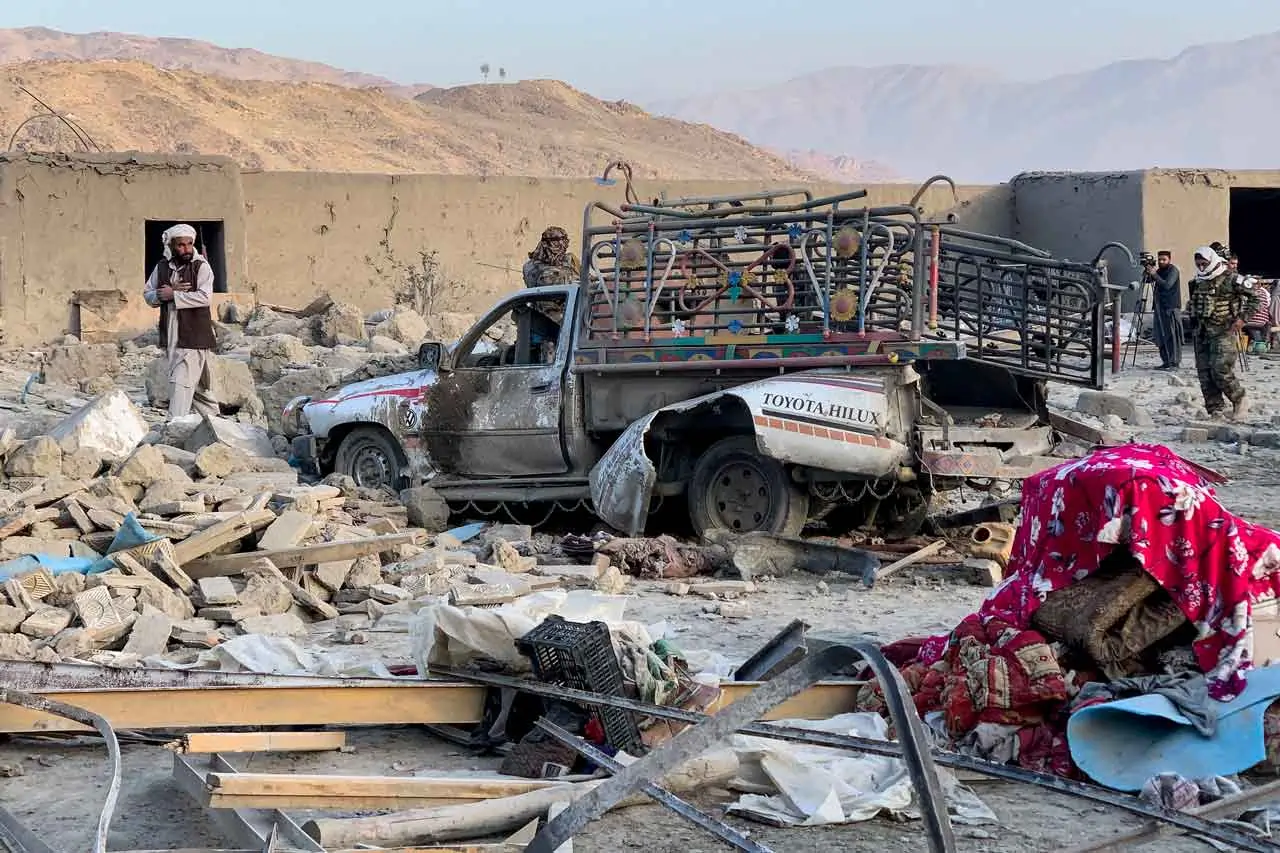
In a significant escalation of border tensions that have plagued relations between Pakistan and Afghanistan for years, Pakistan has declared an “open war” against the Taliban-led government in Afghanistan. Early on February 27, 2026, Pakistan launched airstrikes targeting several Afghan cities, including Kabul, Kandahar, and Paktia provinces, resulting in reported casualties and extensive damage to infrastructure. This military action is said to be in retaliation for what Pakistan claims were unprovoked attacks on its border positions by Afghan forces.
Pakistan’s Defense Minister, Khawaja Muhammad Asif, announced this state of war, signaling that “patience has run out.” He described the operation, termed “Ghazab lil Haq,” as a necessary measure in response to Afghan aggression. Reports from Pakistani officials indicate that the airstrikes destroyed two Taliban brigade headquarters in Kabul, leading to the deaths of approximately 130 Taliban fighters. The Pakistan Air Force released footage of these nighttime operations, showcasing precision strikes on alleged military installations.
In defense of their territory, the Taliban government condemned the airstrikes, asserting that they violated Afghanistan’s sovereignty. Taliban spokesperson Zabihullah Mujahid reported explosions, anti-aircraft fire, and civilian casualties in the affected areas. Former Afghan President Hamid Karzai confirmed bombings in the same cities targeted by Pakistan. Additionally, Afghan defense sources claimed they successfully shot down at least five Pakistani fighter jets during the ongoing clashes along the contested Durand Line, a border demarcation that has historically been a source of contention between the two nations.
Social media outlets have shared videos purportedly showing the wreckage of an American-made F-16 jet, which Afghan officials argue signifies a substantial blow to Pakistan’s aerial capabilities. However, Pakistan has labeled these assertions as propaganda, and independent confirmation of such claims remains difficult amid the fast-evolving conflict.
This recent flare-up follows a series of border skirmishes, including airstrikes last week by Pakistan that reportedly resulted in 18 casualties on the Afghan side. In retaliation, Taliban forces launched attacks on February 26, leading to escalating hostilities. Both sides have reported substantial losses: Afghanistan claims to have killed 55 Pakistani soldiers and captured multiple border posts, while Pakistan asserts its forces eliminated numerous Afghan troops.
The enduring tensions over the Durand Line, which stretches approximately 2,600 kilometers and was established in the 19th century, continue to exacerbate conflicts over territory and cross-border militancy. Pakistan’s air force boasts a fleet of about 465 fighter jets, including U.S.-supplied F-16s and Chinese-designed JF-17s, granting it a notable advantage in aerial warfare. In contrast, Afghanistan reportedly lacks operational fighter jets and primarily relies on ground-based defenses and equipment from previous regimes.
While this military conflict intensifies, Pakistan is concurrently promoting its JF-17 Thunder Block III aircraft on the international stage, highlighting its combat performance in past Indo-Pakistani confrontations to attract potential buyers. Notably, Somalia is negotiating to purchase 24 JF-17 Block III jets from Pakistan in a deal valued at $900 million, indicating a significant export initiative aimed at revamping Somalia’s air capabilities.
As the situation remains uncertain, international observers, including parties from Qatar, are calling for restraint to avert a broader regional crisis. The border areas are tense, with heightened military mobilization on both sides—Pakistan’s armed forces, numbering approximately 660,000, far outmatch Afghanistan’s approximate 170,000 troops. The global community continues to closely monitor developments for any signs of de-escalation or further escalation in the conflict.