




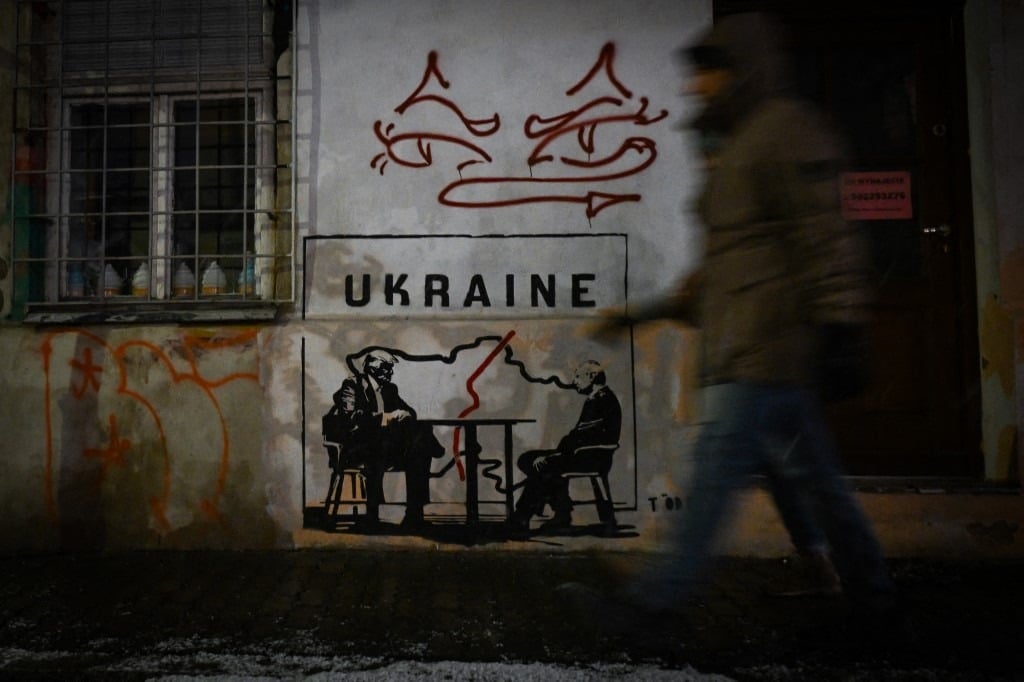
Russia announced on Friday that it had intercepted drones heading towards Moscow, amidst rising tensions and a precautionary warning of potential retaliatory strikes against Kyiv. This announcement came despite a two-day ceasefire that Russia had declared to coincide with its World War II victory holiday, a significant event for President Vladimir Putin and the nation.
Critics in Ukraine swiftly denounced the ceasefire, calling it a mere propaganda tactic aimed at safeguarding the victory parade on May 9, a day of immense patriotic significance in Russia. Ukrainian President Volodymyr Zelensky took the opportunity to caution international allies of Russia against attending the events in Moscow. He expressed concern over communications from some states indicating intentions to send representatives, labeling it as a “strange desire” during such tumultuous times.
“They want from Ukraine a permit to hold their parade so that they can go out onto the square safely for one hour once a year, and then go on killing,” Zelensky remarked, articulating the deep-seated frustrations felt in Kyiv. He had previously suggested a counter-ceasefire beginning May 6, but the proposal received no acknowledgment from Moscow.
As the hostilities have escalated, Russia’s military has ramped up its attacks, with the defense ministry claiming to have destroyed nearly 350 Ukrainian drones just before the ceasefire commenced. Following the initiation of the truce, an additional 20 drones were reported intercepted by Moscow, as per updates released by Sergey Sobyanin, the mayor of the capital city.
In a show of intimidation, Russia’s defense ministry warned civilians and diplomatic personnel in Kyiv to evacuate, threatening retaliatory actions against any Ukrainian attacks during the ceasefire. This sentiment was echoed by the foreign ministry, which advised diplomats to leave the city, a call met with strong rebuke from Britain’s foreign office, describing Moscow’s threats as “unwarranted, irresponsible and completely unjustified.” German officials confirmed that they would not withdraw embassy staff from Kyiv, reflecting a cautious stance amidst the tensions.
President Zelensky is expected to remain in Kyiv over the weekend, suggesting a continued commitment to his position despite the looming threats. During the ceasefire period, Russia stated it would fully suspend fire along the frontlines and halt long-range strikes, but warned that any violation from Ukraine would elicit a strong response.
The annual Victory Day celebrations typically involve grand military parades, showcasing Russia’s military might and honoring the Soviet victory over Nazi Germany. However, this year, Moscow announced that it would exclude military vehicles from the procession, a significant deviation from tradition, potentially influenced by the recent fears surrounding security as Ukrainian strikes have targeted Moscow and regions deep within Russia.
The number of foreign dignitaries attending the parade has also drastically diminished. Only leaders from Belarus, Malaysia, and Laos are expected to participate, alongside representatives from two Russia-backed Georgian breakaway territories not recognized by the UN.
Adding to the sense of unease in the capital, Moscow has implemented intermittent internet blackouts in the city, lasting through the weekend. Meanwhile, diplomatic discussions aimed at resolving what has become the most severe conflict in Europe since World War II have yielded little progress, hampered further by broader geopolitical tensions involving Iran. Moscow continues to insist on Ukraine’s withdrawal from four regions it claims, a demand Kyiv has deemed unacceptable.


