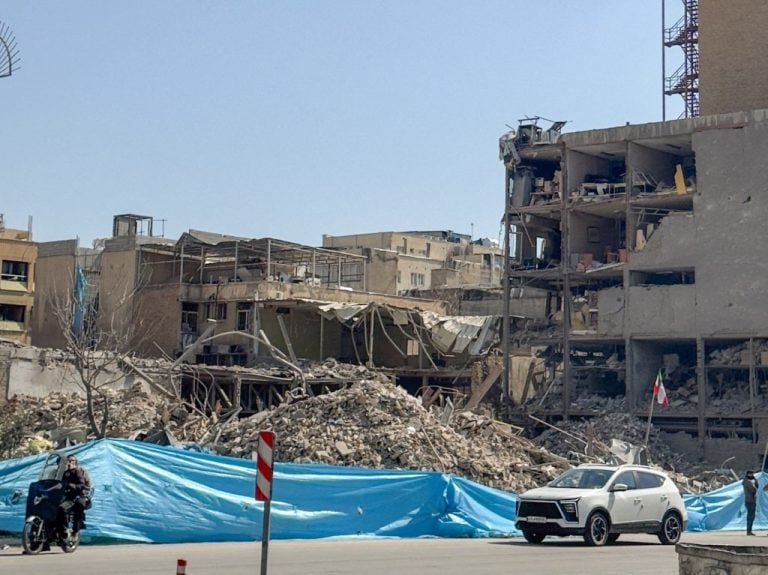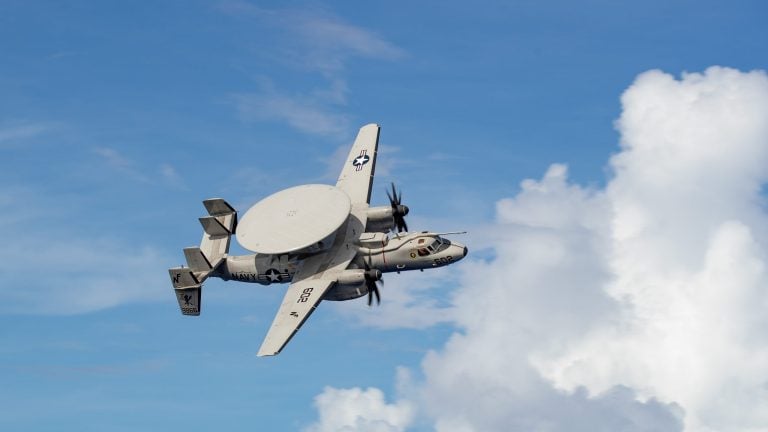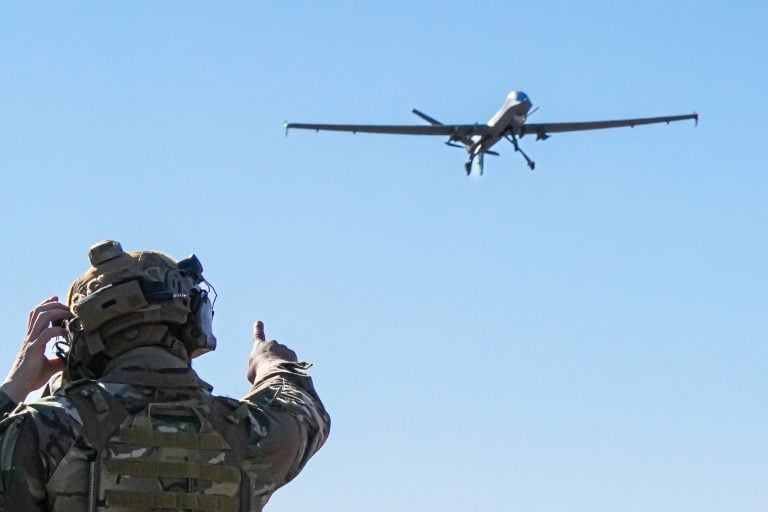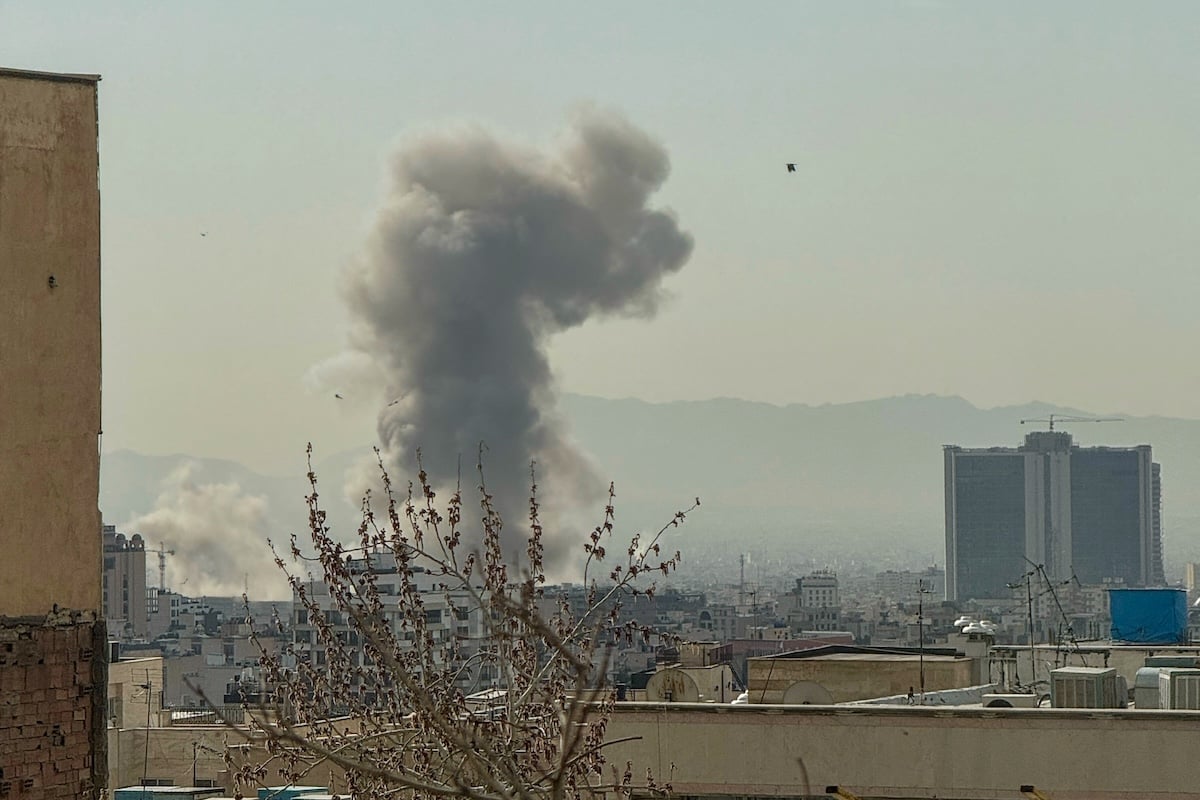
The United States and Israel initiated a significant wave of airstrikes targeting multiple locations in Iranian cities, including the capital, Tehran, this past Saturday. Witnesses reported loud explosions and substantial columns of smoke rising over the city following the attacks.
This military action was prompted by escalating frustrations from President Donald Trump regarding Iran’s actions in negotiations surrounding its nuclear and missile development programs. Trump stated that the primary objective of the operations was to “eliminate imminent threats” stemming from Iran. Israeli Defense Minister Israel Katz referred to the strikes as a necessary “preventive strike.”
In a video message shared on social media, Trump claimed, “The United States’ military began major combat operations in Iran.” He vowed to dismantle Iran’s missile capabilities, stating that the US aimed to “destroy their missiles and raze their missile industry to the ground,” while also promising severe consequences for Iranian military actions.
Amid the chaos, Iranian state media reported that President Pezeshkian was unharmed, while the Fars news agency detailed missile impacts in two districts of Tehran. An office worker recounted witnessing Tomahawk missiles during the strikes, initially mistaking the sound for that of a fighter jet.
Reports from Tehran indicated that ambulances were dispatched to the areas affected, although there was no immediate confirmation of casualties. In response to the strikes, airspaces over Iran, Iraq, and Israel were closed, with the US embassies in Qatar and Bahrain advising American citizens to seek shelter. Additionally, sirens blared in Jerusalem, and Israeli authorities issued warnings via cellphones to residents.
The strikes came on the heels of a major military buildup in the region, with the USS Gerald R. Ford, the largest aircraft carrier in the world, having moved closer to the Israeli coastline. This military escalation followed a previous day of talks in Geneva between US and Iranian officials, which Trump described as unproductive, declaring that Iran was “not willing to give us what we have to have.”
Contrasting Trump’s sentiments, Oman, which facilitated the Geneva discussions, reported a more optimistic outcome, stating that Iran had agreed to halt any further uranium stockpiling and to transform existing stockpiles into fuel. This announcement came from Oman’s Foreign Minister Badr Albusaidi during discussions in Washington with US Vice President JD Vance.
The airstrikes occurred in the context of recent violent crackdowns by Iranian authorities on mass protests, where thousands were reportedly killed. The nuclear negotiations date back to a 2015 agreement that Trump had previously annulled during his first term.
In parallel developments, US Secretary of State Marco Rubio is scheduled to visit Israel for discussions regarding the Iranian situation, departing without the press, a notable departure from protocol for a high-ranking official.
In his State of the Union address, Trump had warned about Iran’s missile development potential, asserting that it posed a significant risk to the United States. Rubio later echoed this sentiment, characterizing it as a “very big problem” for Iran if it failed to engage in discussions concerning its missile program. However, Iran’s position remains focused on limiting talks to its nuclear program.
Iranian Foreign Minister Abbas Araghchi emphasized the necessity for both sides to approach negotiations with seriousness and realism, cautioning against any miscalculations or excessive demands.
The International Atomic Energy Agency, the UN nuclear watchdog, announced it would be holding technical discussions with Iranian officials, urging Iran to engage “constructively” with the agency as part of ongoing diplomatic efforts.