The United States has officially approved an arms package worth $11 billion for Taiwan, marking one of the largest sales to the self-governing island and triggering a strong response from China. Taipei’s announcement on Thursday underscores the ongoing military tensions in the region, particularly as China increases its military presence around Taiwan.
Historically, the U.S. has been Taiwan’s leading arms supplier, but recent comments from U.S. President Donald Trump have raised concerns about Washington’s commitment to defend the island. As pressures from China escalate, Taiwan has significantly increased its defense budget over the past decade. Nonetheless, the Trump administration has encouraged the island to bolster its own defense capabilities.
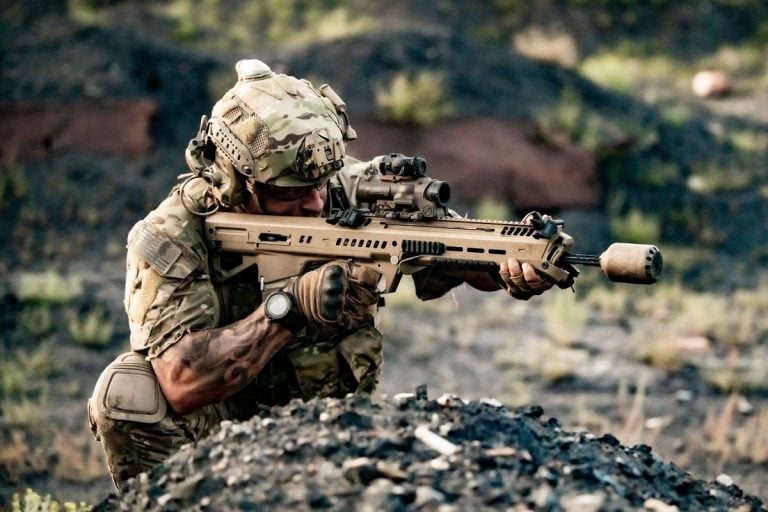
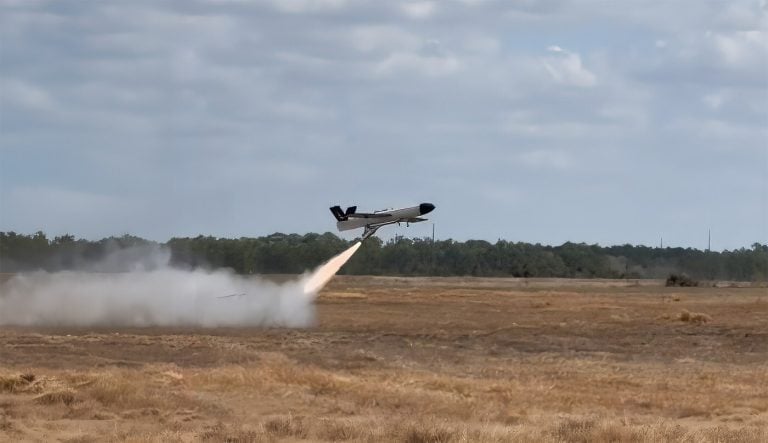
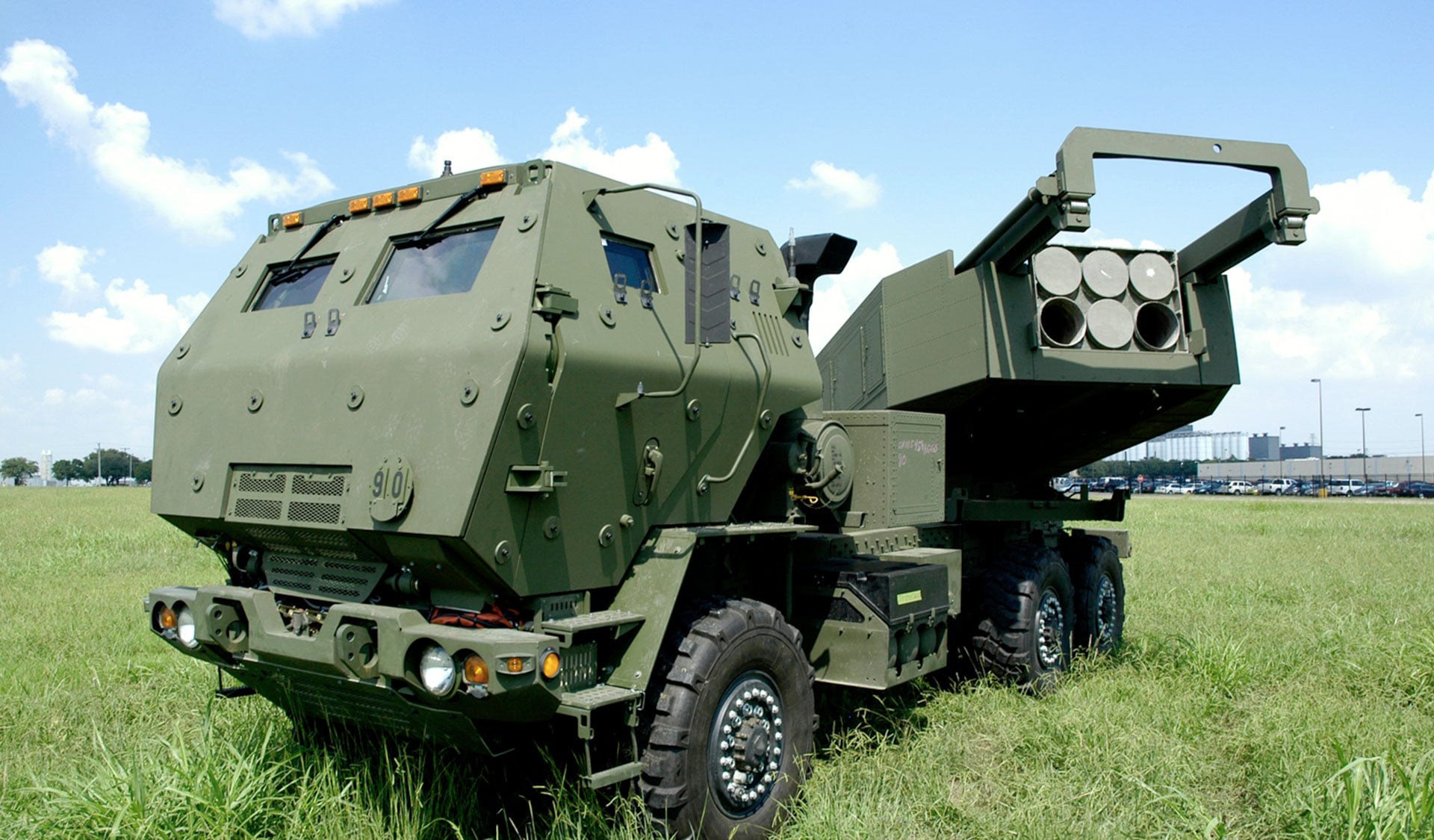
The most recent arms package, which is awaiting Congressional approval, includes advanced weapon systems such as HIMARS rocket systems, howitzers, anti-tank missiles, and drones. This follows a smaller sale of $330 million in parts approved last November. Taipei’s foreign ministry characterized this as a continued demonstration of the U.S.’s commitment to Taiwan’s security during Trump’s second term.
Beijing condemned the arms sale vehemently. Chinese foreign ministry spokesman Guo Jiakun urged Washington to adhere to the one-China principle and cease its activities of arming Taiwan. Guo emphasized that China would respond with “resolute and forceful measures” to protect its territorial claims, which include Taiwan.
The scale of the arms sale rivals past significant transactions, including an $18 billion authorization under former President George W. Bush in 2001, although that was eventually reduced. Bush managed to sell $15.6 billion worth of arms during his presidency, while Trump’s first term saw $10 billion in arms sales to Taiwan.
With bipartisan support in Congress for Taiwan’s defense, the latest package is expected to receive approval soon. Although Taiwan has its own defense industry, its capabilities remain limited compared to China’s military strength, making it heavily reliant on U.S. support for military procurement.
Taiwan’s defense ministry stated that the arms sale is crucial for enhancing its deterrence capabilities. In response to U.S. pressures, Taiwanese President Lai Ching-te’s administration plans to increase defense spending to more than 3% of GDP next year, aiming for 5% by 2030. Furthermore, the government is looking to secure nearly NT$1 trillion in special funding to upgrade air defense systems and enhance munitions production and storage capacity.
These defense spending proposals still require approval from Taiwan’s opposition-controlled parliament. Despite ongoing tensions, China has continued its military maneuvers near Taiwan, which analysts refer to as “grey-zone” tactics designed to exert pressure below the threshold of direct conflict. In just 24 hours leading up to Thursday, Taiwanese defense officials reported the detection of 40 Chinese military aircraft and eight naval vessels in the vicinity of the island.
Additionally, Taiwan noted that the Chinese aircraft carrier Fujian had sailed through the Taiwan Strait earlier in the week, further underscoring the heightened military activities in the region.