




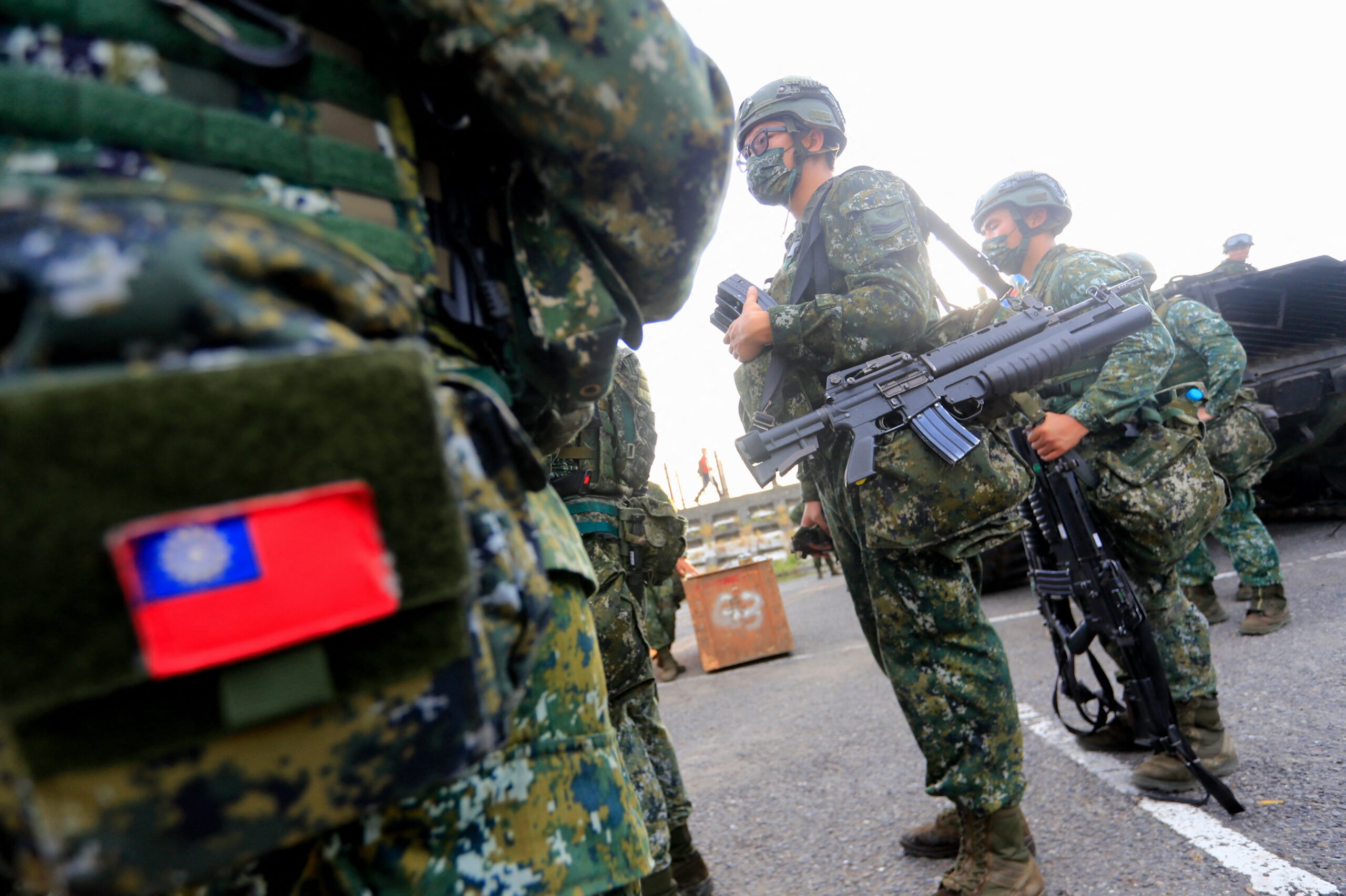
During a congressional hearing on Thursday, the acting Secretary of the Navy, Hung Cao, revealed that arms sales to Taiwan have been temporarily halted. This decision, he explained, is to ensure that the U.S. military retains adequate munitions for ongoing operations in Iran, particularly under a plan referred to as “Epic Fury.”
When questioned about the status of the stalled $14 billion weapons deal with Taiwan, Cao emphasized the importance of prioritizing U.S. military readiness. “Right now we’re doing a pause in order to make sure we have the munitions we need for Epic Fury — which we have plenty,” he stated. He added that foreign military sales would resume once the administration assesses it to be necessary.
Both the State Department and the Pentagon did not respond immediately to inquiries regarding Cao’s comments.
In response, Taiwan’s Presidential Office spokesperson, Karen Kuo, clarified on Friday that there was “no information indicating that the US intends to make any adjustments to this arms sale.” This statement reflects Taiwan’s ongoing concern and interest in securing U.S. defense supplies.
Meanwhile, a spokesman for the Chinese foreign ministry made it clear during a press conference that Beijing remains firmly opposed to U.S. arms sales to Taiwan. This stance aligns with China’s long-standing view that Taiwan is part of its territory, and the Chinese government has not ruled out employing force to assert its claims.
The situation is further complicated by U.S. political dynamics. Former President Donald Trump has remained non-committal regarding the arms sale, raising questions about the commitment to support Taiwan amid rising tensions in the region. While the United States maintains diplomatic relations solely with Beijing, U.S. law mandates that it provide support to Taiwan for its self-defense.
Ahead of a recent trip to China, Trump indicated he would discuss arms sales with President Xi Jinping, marking a notable shift from previous U.S. policy, which maintained that such matters should not require consultation with Beijing. Following the trip, Trump stated that he made no specific commitments to Xi regarding Taiwan and indicated a decision on the arms sales would be forthcoming in the near future.


