




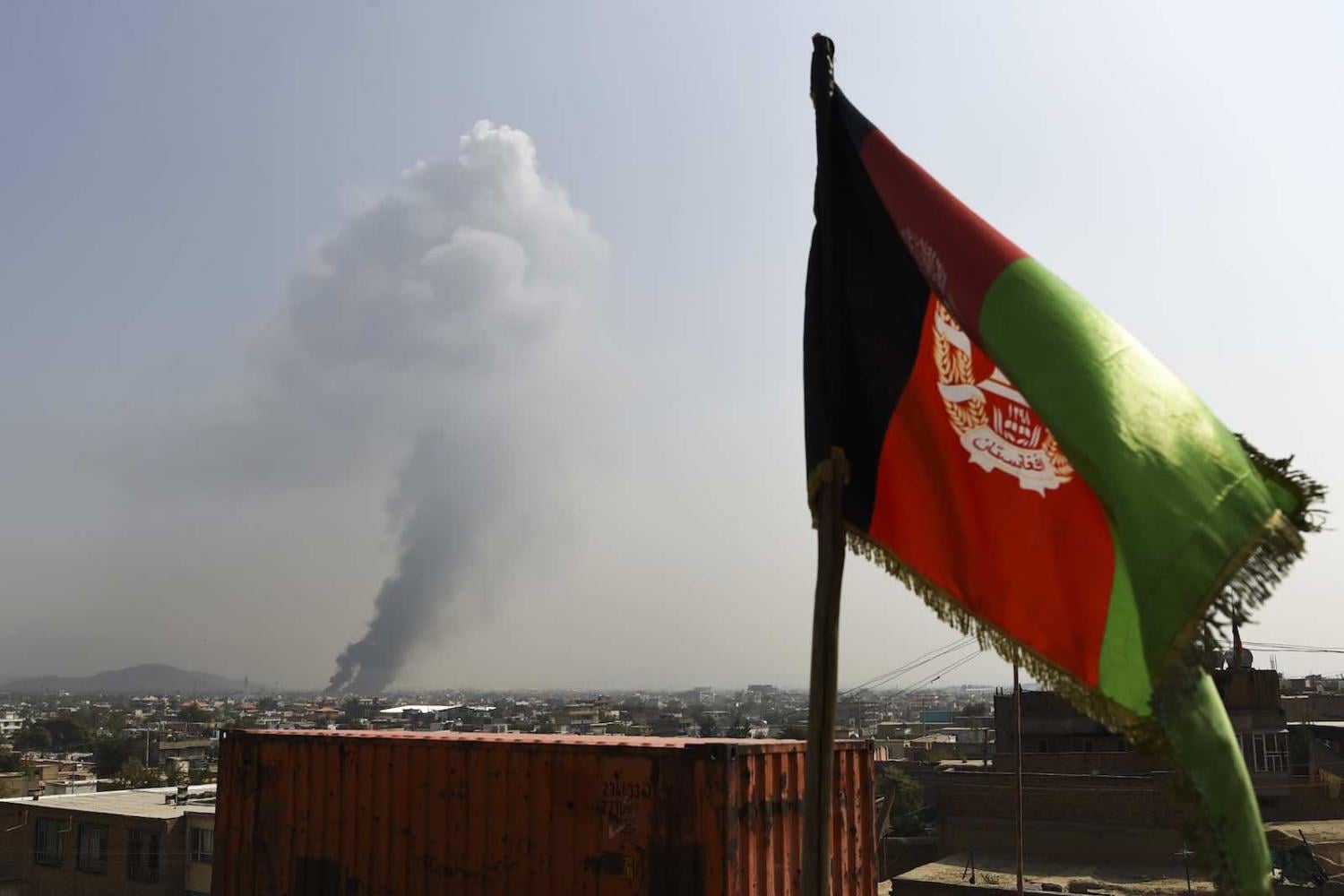
Explosions echoed throughout Kabul on Sunday as the Taliban government reported retaliatory actions against aerial attacks from Pakistan. A spokesperson for Afghanistan’s defense ministry confirmed that air defense systems had been activated against Pakistani aircraft operating over the capital.
This surge in hostilities marks an escalation of cross-border violence that reignited earlier in the week. Afghanistan initiated military offensives along the border on Thursday, provoking a response from Pakistani forces, who have retaliated both on the ground and from the air.
The conflict has intensified following claims by Afghan residents and officials of ongoing skirmishes along the porous frontier, including multiple strikes around significant military sites like the former US air base at Bagram. Reports from residents revealed that three individuals lost their lives due to overnight drone strikes and shelling.
Witnesses near Kabul described strong air strikes targeting Bagram air base, with one resident mentioning that the force of the explosion shook the area and sent smoke billowing into the sky, prompting fear among the local populace. Provincial spokesman Fazl ul Rahim Maskin Yar indicated an attempted bombing of the base by Pakistani aircraft, though he confirmed there were no reported casualties or damages.
Pakistan has acknowledged carrying out air strikes on major Afghan cities, including Kabul and Kandahar, where the Taliban’s supreme leader resides, but has remained silent on the attacks reported on Sunday. Meanwhile, security measures were visibly heightened in central Kabul, with increased vehicle checks and a noticeable presence of security forces.
Before dawn, explosions preceded a flurry of gunfire in the capital, as Taliban spokesperson Zabihullah Mujahid detailed the engagement of anti-aircraft fire against Pakistani planes. Drones were reported over Khost province, while in Jalalabad, witnesses sighted a military jet flying overhead.
Afghan deputy spokesman Hamdullah Fitrat raised alarm over the civilian toll, stating that Pakistani fire had tragically claimed the lives of 36 civilians across various provinces since Thursday. Islamabad has not addressed these allegations. Eyewitness reports from Kunar’s Asadabad revealed a personal account of loss, detailing the death of an 18-year-old who had recently married. His brother recounted the tragic circumstances leading to his death near a mosque amidst the chaotic fighting.
Sporadic clashes continued throughout Khost and Nangarhar provinces, with reports of intense fighting at the Torkham border crossing, a crucial transit point for Afghans returning from Pakistan. Heavy confrontations were also reported in Paktia province.
The Afghan offensive has been described as a retaliation against prior air strikes by Pakistan that reportedly resulted in civilian casualties. Local residents displaced by the violence expressed their desperation for an end to hostilities and called on the international community to apply pressure on Pakistan to cease its military actions.
Diplomatic efforts aimed at achieving a ceasefire have yet to yield results, even with involvement from Saudi Arabia and Qatar attempting to mediate the situation. Pakistan has accused Afghanistan of harboring militant groups responsible for attacks on its territory, an assertion the Taliban government has consistently denied.
In the wake of this week’s escalation, analysts noted a significant shift, as Pakistan’s air strikes began targeting Afghan government installations rather than solely militant positions. Pakistani information minister Attaullah Tarar reported that 46 sites across Afghanistan had been targeted, with claims of substantial casualties on both sides. Afghanistan’s official statements indicated that more than 80 Pakistani soldiers had been killed and several military posts overrun, while the Afghan military’s losses were reported to stand at 13.
The recent violence represents a worrying trend, reminiscent of escalated conflicts last October that resulted in over 70 fatalities on both sides. Land crossings between the two nations remain severely restricted as the conflict intensifies. Previous rounds of negotiations following a ceasefire facilitated by Qatar and Turkey have not succeeded in establishing lasting peace.


