




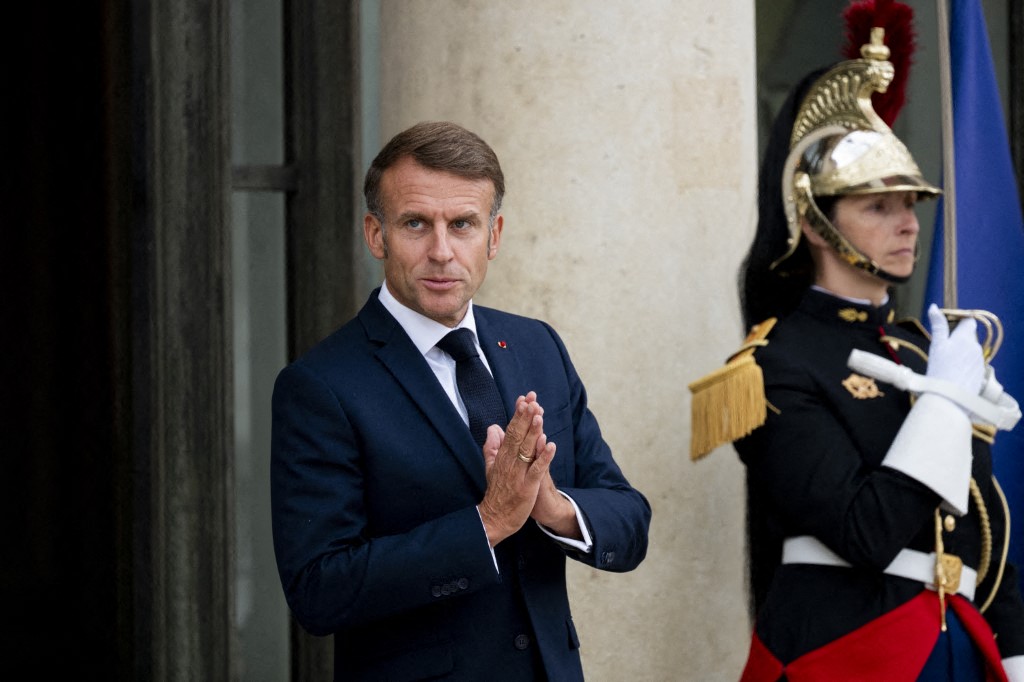
During a recent visit to Greece, French President Emmanuel Macron expressed his belief that the European Union’s common defense clause is “stronger” than NATO’s mutual defense obligation. This assertion comes amid increasing skepticism regarding NATO’s efficacy, particularly following remarks from US President Donald Trump labeling the alliance a “paper tiger.” Trump has criticized NATO for not providing adequate support in his administration’s military strategies, particularly in regards to tensions with Iran.
Macron pointed to Article 42.7 of the Treaty on European Union, which mandates collective defense should any EU member be attacked. He emphasized the steadfast nature of this agreement, stating it allows for clear solidarity among member states without ambiguity. “In substance, [it is] stronger than Article 5” of NATO’s founding treaty, he asserted during a news conference held alongside Greek Prime Minister Kyriakos Mitsotakis.
The backdrop of these comments reveals a shifting dynamic in transatlantic relations, particularly under Trump’s leadership, which has raised concerns about America’s commitment to European defense. The current US administration’s approach has included a push for closer relations with Russia and a notable decrease in military support for Ukraine, coupled with questions surrounding the reliability of NATO’s collective defense framework.
In response to these complexities, Macron has been actively engaged in enhancing military cooperation among EU countries. Collaborating closely with British Prime Minister Keir Starmer, he has helped to lead initiatives aimed at bolstering European military capabilities independent of NATO. Part of this effort includes advocating for France’s armed forces to take a more substantial role in supporting EU member states, potentially even involving the deployment of nuclear warheads aboard French aircraft.
This evolving landscape raises significant questions about the future of European and transatlantic defense, as nations weigh the implications of relying more heavily on autonomous defense structures in light of the changing political climate.


