




The US Department of Defense has finalized a substantial investment of $1 billion aimed at enhancing L3Harris Technologies’ Missile Solutions segment. This funding is poised to significantly increase the production of essential missile components and strategically position the firm for a potential stock market entry later this year.
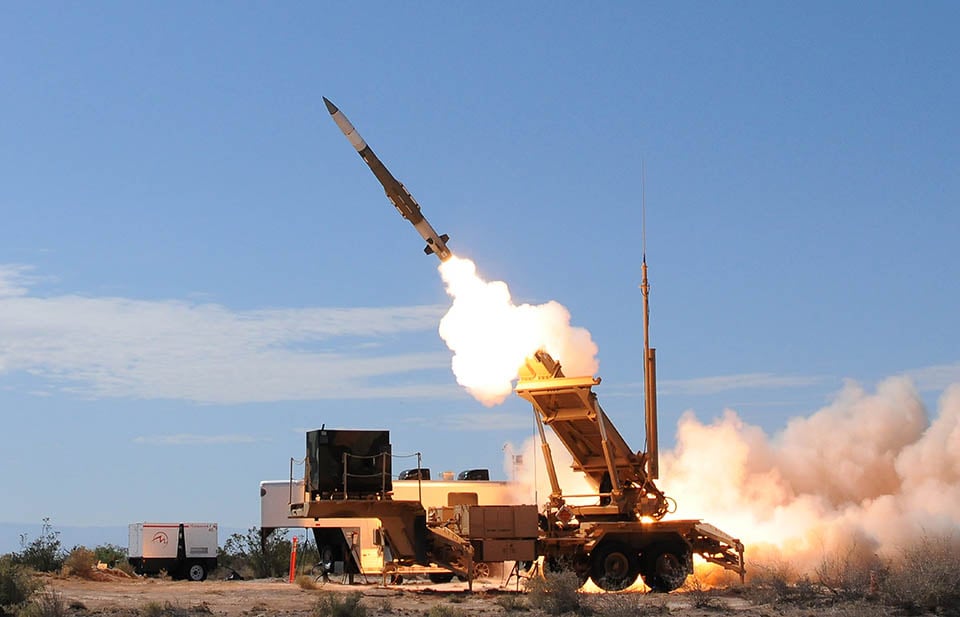
The investment will be directed towards upgrading manufacturing facilities, bolstering research initiatives, and ramping up the output of systems associated with critical programs including the Patriot Advanced Capability-3 (PAC-3), Terminal High Altitude Area Defense (THAAD), Tomahawk land-attack cruise missile, and the Standard Missile. As global demand for munitions and missile systems continues to rise, part of the capital will also facilitate the expansion of solid rocket motor production in key states such as Arkansas, Alabama, and Virginia.
The funding arrangement allows for the possibility of converting the investment into shares of the company, should L3Harris move ahead with its anticipated initial public offering (IPO) for the unit. Additionally, the Department of Defense will have options to acquire more shares in the future.
L3Harris has indicated that it plans to seek a public listing in the latter half of 2026, contingent upon favorable market conditions, while maintaining over 80 percent ownership of the business.
Earlier this year, L3Harris established its Missile Solutions division by consolidating its missile portfolio, which includes operations from Aerojet Rocketdyne, a prominent supplier of rocket propulsion systems.
The CEO of L3Harris, Christopher Kubasik, referred to the strategic partnership with the Department of Defense as a vital endorsement of the company’s significance to national security. He emphasized that the investment will empower L3Harris to bolster innovation and enhance capabilities aimed at equipping military personnel with the necessary tools to counter emerging threats. Kubasik expressed pride in collaborating with the Department of Defense to ensure the ongoing resilience of the U.S. defense industrial base.


